Similar Posts
The Wondrous Light of the Moon and of the Street Lights
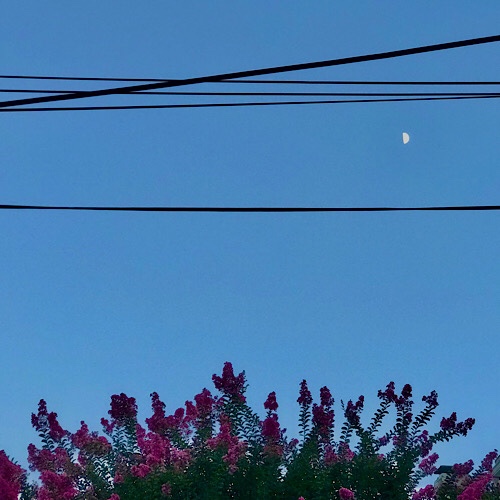
The moon was incredibly full and bright in a clear sky tonight. When I was walking home from work, I saw a tourist taking pictures of the Capitol. “You’ll want to photograph the moon,” I said, after having just taken a few pictures myself. “Yes, I did,” he replied with a big grin.
As bright as was the moon, the street lights would not have needed to be on so fully as when the moon is just a sliver of a crescent. As I gazed in awe at the luminous beauty of the moon, I thought also about the wondrousness of electric street lights. How is it that we so often take for granted electricity, but marvel at the moon? Is not light in all its forms a source of wonder when we stop to remember? Why resent the street lights for dimming the beauty of the moon when we can instead see their own beauty?
- Art and Culture | Asana, Pranayama, and Yoga Practice | Community and Family | Food for the Mind (Yoga Philosophy, etc)
Renunciation v. Discrimination (and Celebrating the Holidays)
A fundamental precept of classical yoga is that of vairagya or renunciation. The yogin is meant to gradually renounce all of the life of mind and body until he or she transcends them and sees only spirit. I have been thinking about how renunciation fits in with the holidays and how we, as a society, have come to celebrate them. As some indulge to excess and all sorts of tinsel trappings, others denounce the excess as taking away from spirit and renounce the whole thing. A reactive renunciation of the holidays wholesale because they are so commercialized can feel just as harsh as full consumption of the holidays, as marketed on TV, can feel bloated and unhealthy.
When we approach yoga from a tantric perspective, the practice is not geared towards vairagya. We seek instead to be fully engaged in life, trying to live each moment, taste each bite, breathe each breath, take each step as a way of connecting more deeply to the spirit. This does not mean reckless indulgence. It does not mean heedlessly consuming and taking into ourselves that which does not nourish ourselves or which harms other beings or the earth. Through practice and study, we develop viveka or discrimination, which informs us of what will enhance our lives and lead us towards a place of light and health.
In the context of the holidays, to make them truly holy days, the tantric observer will not reject holiday celebrations out of hand simply because they have generally become commercialized and often unhealthy. Rather, he or she will discern ways to celebrate and honor earth, family, friends, and self that are in alignment with nature and optimize the connections among them. This may mean picking and choosing how and with whom to celebrate, but always with honor and respect. This is an art that I am working on personally; sometimes it is hard to know where to draw the line, especially if co-workers or family are living in ways that do not feel nourishing for us. Then the game is to not seem Scrooge-like to those who think that the holidays are about lots of heavy food and shopping, while we are choosing to honor the season in another way.
First Yoga Practice with Maitri
Whom I brought home today from foster care.