Art and Culture | Asana, Pranayama, and Yoga Practice | Food for the Mind (Yoga Philosophy, etc) | Photos
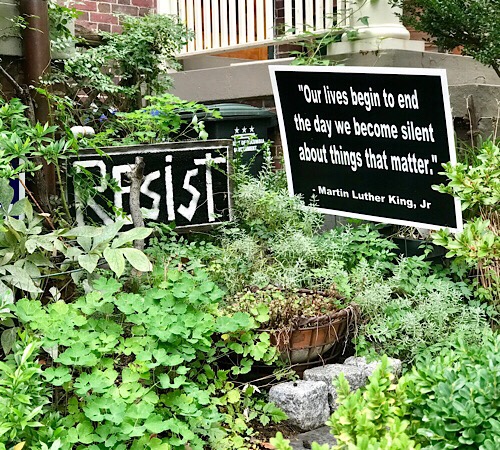
Signs Around Town

Peace and light, E — Posted with WordPress for BlackBerry.
Peace and light, E — Posted with WordPress for BlackBerry.
Last night, after a long work day, for no particular reason, I found myself in my study, dipping into books by Mary Oliver. Tonight I return with more intention. Much of her writing will, no doubt, continue to speak to me.
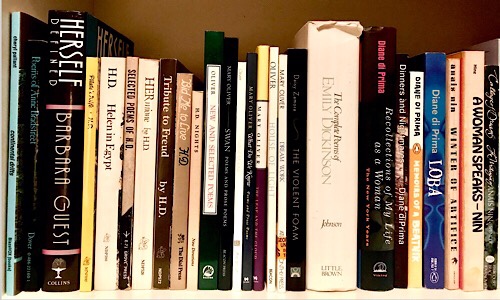
My cherished friend Cynthia for who there will be a memorial service on Wednesday often said that her favorite time of year to garden was winter. She was not only a passionate gardener who had established an exquisite ornamental garden over a period of decades, but also a scintillating intellect. In winter, of course, she would tend the houseplants and have flowers from forced bulbs, but that was not “winter gardening;” it was just having some beauty in the house. Winter gardening for Cynthia meant sitting in her nice warm house, reading stacks of gardening books and seed and plant catalogs and planning ways to enhance and develop the garden come the new growing season. Cynthia did not practice yoga or meditation although she asked about yoga and exhibited her habitual, engaged and polite intellectual curiosity about my practice out of friendship.
After I took care of the house plants this morning, I sat down with a gardening book and read it while I had my morning hot drink and thought of Cynthia saying this was the best gardening time. This time last year, I was marveling that I had chard to eat from the garden and espousing the joy of sprouting indoors in order to have fresh food year round (still sprouting and recommend it to all especially this harsh winter). This year I cannot even see the containers (see picture below after five days of melting and before another coating to come this afternoon), much less any plants outside, so spring gardening will be a completely different experience than it was last year. I go back, then, to my books. I read about edible container gardening for climates where spring starts later than is typical for DC. I think about what I can start indoors and whether I will want to start with different plants. In the space of time when I cannot actually garden, I develop my intellectual knowledge so that my garden skills and experience can still develop. When I am out in the garden this spring, digging in the dirt, watching things grow, I will experience with joy in my very being the subtle and not so subtle differences from a dry, warm winter and a cold, snowy one throughout the whole growing season.
This pulsing relationship among practical experience, study, and joyous understanding is our true practice (sadhana). Steady practice includes not just actual doing of postures and meditation, but also repeated study for enhanced intellectual understanding of what we are experiencing (vikalpa samskara), and joyous, non-intellectual contemplation with heart and spirit (bhavana) of the burgeoning of combined experience and study. When we appreciate on the mat and off that there will be times for practical experience, times for study, and times just to rest with a rich fullness of contemplation of the fruits of experience and study for the joyous recognition of beauty and consciousness, then we will never be empty. We will not suffer from the confinement of a blizzard or an injury because we will know that it is time to shift our focus from being on the mat or on our meditation cushion or out of the garden (or whatever it is that is your work or hobby or course of study) and more to studying what others can teach us in words or demonstration. We will know that the more we enhance our practice with both practicum and book learning, the more we can move towards an ever refined and steady abiding of whatever is our passion in our hearts.

Xome join us on Tuesday nights. All levels of experience welcome. Suggested donation is truly a suggestion–like the admission to the Metropolitan Museum. Pay what you can. Bring a friend from in or out of town. Comment or email with questions.

Peace and light, E — Posted with WordPress for BlackBerry.