Balance of Work and Play
It is an affirmation that my life suits me, when I am happy to be home (even working) after a spectacular vacation.
It is an affirmation that my life suits me, when I am happy to be home (even working) after a spectacular vacation.
Reading today’s article in the Washington Post, “Women Fight for Access to Sacred Places in India,” and appropo of my recent blog post on Ayyappa, reminded me of what led me to the law. I am conscious that relative to most of the billions of women on this planet, I have had extraordinary opportunities.
I think I have a responsibility to live to the fullest the opportunities I’ve been fortunate enough to have. And I think that part of that responsibility is to make my own contribution to eliminating injustice and to keep working with creativity and dedication and passion, while ultimately, like Arjuna in the Bhagavad Gita and his right action, letting go of the result, knowing I am not in control of any particular outcome or sequence of events.
What is your story? The opportunities explored? The barriers that need not have been there?
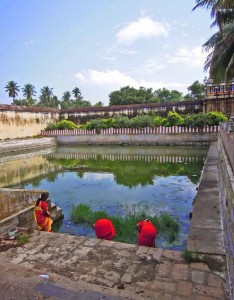
Shakti Pilgrims, Tamil Nadu, India, 12/11
Duly noted.

Peace and light, E — Posted with WordPress for BlackBerry.
One of my favorite fairy tales is the one about the traveler who teaches the old woman how to make “nail soup.” It is a cold, wintry night in the forest, and a traveler comes upon a hut. He knocks on the door and asks for shelter. The old woman who lives in the hut says he can sleep in the shed, but she cannot give him any food. The traveler thanks her for providing shelter. He says he does not need food, but if she lets him in by the fire, he will show her how to make soup from a nail. The woman, who is rather miserly, is excited by the idea of being able to make soup from a nail, so she lets him in and puts a big soup pot filled with snow to melt over the fire. The traveler puts the nail in the soup and says, “what a wonderful broth we will have from this nail. If we only had a potato or two, it would be even better.” The woman roots around in her hoard and puts a potato in the pot. “Now it will be even more wonderful,” said the traveler. “If we only had an onion to add, it would be the most savory soup you have ever tasted.” The woman goes to her winter stores and finds an onion. The traveler sniffs the soup, “mmm, how wonderful it smells, if we had a carrot or a parsnip, it would be gracious enough for any guest.” The woman, trembling with the excitement of creating soup from a nail, adds both a carrot and a parsnip. At this point, the broth is starting to take on thickness and color, and the hut is redolent of bubbling hot vegetable soup. “Oh for some salt and a little meat,” cried the man, “and this soup would truly be fit for a king.” “From only a nail, soup fit for a king!” exclaimed the old woman, “that I must have.” She added a precious pinch of salt and some meat dried to last through the winter. The soup, of course, was delicious, the traveler well-fed, and the woman happy to share (even if she was tricked).
Sometimes we need a reminder of our abundance, both inner and outer, to be invited to bring out all we have so that we can better serve. Just as the traveler with the nail reminded the isolated old woman of how to share her abundance, sometimes we need to remind ourselves of what we have rather than what we are missing. I find that when I am feeling more empty than full, coming to my mat and my meditation cushion and practicing gratitude quickly helps me remember.

It’s an idiosyncratic grouping, but it is my weaving of stories for the moment.
I believe the brass dish under the cactus on the left was a wedding present, though I am not absolutely certain of that. It was a long time ago.
The cloth with the tassels came from a shaman in Peru; I was there for 9/11.
I bought the gray scarf when I was in Costa Rica on a retreat with John Friend from a world-traveling fellow yoga practitioner who had brought an array of beautiful scarves to Costa Rica from Thailand.
Other things were brought home from India–mostly by me, but one a treasured gift from a friend.
The porcupine quills were also an inspired and loving gift.
The square of marble under the cactus on the right I found on the street in the neighborhood. The cactii came from a yard sale over a decade ago. They were being sold for only blooming once a year.
The bit of mother of pearl comes from Centerport beach on Long Island. I went there last fall the day before my father’s memorial service.
Other things came from vendors at Eastern Market and one from New York City.
The chestnut is from Stanton Park. I picked it up on my way to work one beautiful day last year.
The heart-shaped stone came from Arizona when I was on a meditation retreat some time late in the last decade. I’ve been to some really lovely places on this planet.
The mala Kuan Yin is wearing I strung and designed: rudraksha beads from my first meditation mala (which had broken), labradorite, and emeralds on silk thread.
The jet beads belonged to my grandmother Rose.
There’s a story about the lump of black and red rock behind Ganesha, but I think I’ll leave that for another day.
When we choose a tantric path, we choose to experience pleasure as an expression of spirit, rather than seeking to transcend such experience as would one who is on the classical renunciatory yoga path. The choice to remain engaged, to honor mind and body as divine, comes with great responsibility.
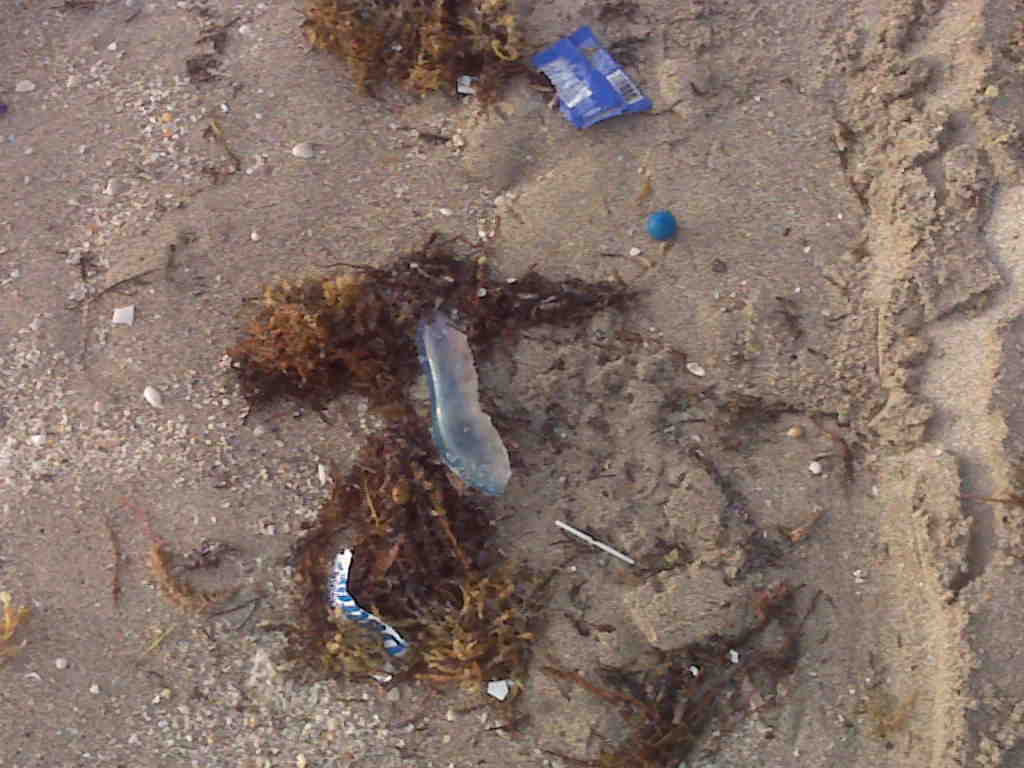
When we choose engagement, we choose to experience the divine reality not just of pleasure, but also of pain. The true tantric path does not turn a blind eye to ugliness and suffering. Just taking the pleasure without recognizing its opposite is not authentic practice. If the pleasure of the sunrise is “real,” then the garbage on the beach is just as real.
Recognizing the reality of ugliness and pain as part of the play of the real does not mean, though, that it should diminish our joy in the beautiful and in the dance of the play of opposites of life.
Rather, it is our delight in and engagement with beauty that invites us to serve as best we can to alleviate suffering, to try and clean up the garbage where we can. In other words, as we recognize that ugliness and destruction are part of the play (lila), we seek to be heart-full rather than heart-broken when we witness the suffering from violence to others or our living planet. If we let our hearts break, we become blind to the beauty. Like those who only see what brings pleasure, those who only see the painful are also not experiencing all of the real.
As I head back to the world inside the Beltway, I bring the deepened and replenished sense of beauty and the dance that I always get from collective study and practice. I will try to share the privilege of having this experience by doing my best to clean up what garbage I can, while still dancing and loving in the light.