| | |

Signs Around Town (Excerpt)

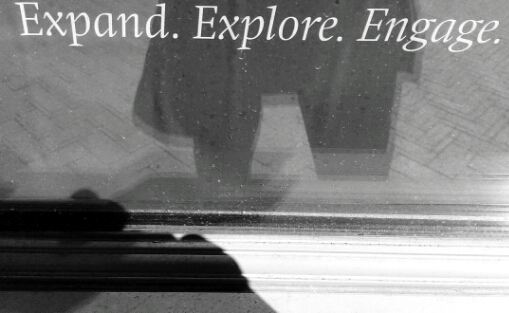
When we do a yoga pose, it is an act of creation; asana is in its own way a dance form. Every time we practice, it is our choice whether to make a pose a full and deep expression of our embodiment or just a routine physical workout no matter how many times we have done it before.

So too, everything we do is in some sense a creative act. How we choose to express ourselves and what we make of our day–no matter that it is the same commute and work we may have done for years–is up to our own creative intention. What did you create today?

Peace and light, E — Posted with WordPress for BlackBerry.

Similar Posts

  • | |

    Pickles

    Soon after this article on making your own pickles was published in the New York Times, a friend and mentor sent it to me.  Though she is a mentor for reiki and energetic practices, and I see her regularly for massages, I’m quite sure she wasn’t trying to encourage me to eat more raw food or get into the fermentation fad (but you can read lots about how some raw foodists fetishize fermented food by using your favorite search engine).  I think she just thought I’d like making pickles, and she was right.

    I’m now on my fifth or sixth batch.  The first batch I did exactly according to the directions in the article.  The second, I did exactly according to Mark Bittman’s recipe in How to Cook Everything, which I found used a few years ago at my favorite used bookstore in DC–The Lantern-A Bryn Mawr Bookshop.  After that, I experimented with a little less salt, a change of spices, and different ways of slicing the cucumbers.  The cucumbers for this most recent batch were a little older and seedier so I added carrots and ginger to improve the flavor of the cucumbers.   I also added garlic, a few chili peppers, and some coriander seeds from the garden. A grape leaf or two helps make the vegetables stay crisper; they aren’t needed, but if one has a grape vine in the garden, as I do, why not?

    For my birthday, though you don’t really need one, I just bought myself a nice fermentation crock.  First up:  sauerkraut and then when I’ve had an opportunity to go shopping in Chinatown for supplies, a big batch of kimchee.

    This latest kitchen venture, is mostly because I’ve always loved the taste of pickled food, and because it is amazingly easy to make them.  Pickles and other fermented foods are now added to my list of  love to make foods that with a little attention and some planning and patience yield big results (like sprouting and slow cooker beans and stews).  That my yogi friends who are crazy into raw food would also be excited about what eating fermented foods might be doing for my health is just a bonus.

    pickles

  • | |

    Spiced Rice and Sprouted Lentil Salad with Chiffonade of Leaf Lettuce

    Sprout brown lentils for 2-3 days and use while just showing sprouts.

    Cook one or more types of whole grain rice (here a mixture of red and brown rice) (I like to use a rice cooker).

    Let rice cool.  Mix rice with lentils.

    Add some oil to keep the rice a good texture.  I used sesame oil.  You could use the oil recommended for your Ayurvedic type if you are familiar with the recommended oil for your type.  Though this does not really resemble traditional kitcheree, the basic/unprocessed elements of the dish –the mixture of rice and lentils and the spicing — are the same.

    Add a mix of spices.  Here, too, you could vary the spicing according to your dosha if that is something with which you have experience.  I used turmeric, ginger, clove, black pepper stirred into the salad mixture and then minced some green coriander seeds from the garden to sprinkle on top.  I think a squeeze of lemon, had I had it, would have added extra zest.

    Serve the salad on delicate, freshly picked greens–spinach and baby chard would be good, though I used lettuce because it was what needed most to be harvested.

    sprouted kitcheree salad

  • | |

    The Fisherman and His Nets

    dorothy

    Earlier this week, I took a wonderful class with my friend J, who is an Anusara teacher based in NYC.  She started class telling a story of a fisherman.  The fisherman had worked hard and long during the spring, summer, and fall and was looking forward to a rest during the winter months.  He left his boat and went ashore, looking for shelter.  He came upon a brightly lit house and was invited in by a friendly host.  He was given a delicious meal and then brought to a beautiful bedroom with a fabulously made, soft bed with exquisitely scented linens.  He got into the bed, but tossed and turned and could not sleep.  Agitated by his inability to sleep, he left the house, went back to his boat, wrapped himself in his fishy-smelling nets and promptly fell sound asleep.

    J interpreted the story as saying that our familiar patterns bind us and keep us from discovering and receiving true beauty and bliss.  This interpretation resonated with the students; one called out in a conversation about the quantity of nets we have, that she could alphabetize hers, and we all laughed.  I heard something different in the story, though perhaps it was because I had seen part of The Wizard of Oz when channel-surfing in my hotel room the night before.  What I heard was that when we accept our work and our place, we find a place of true rest.  When the fisherman realized that his place was on his boat — at home with his work, instead of seeking ethereal bliss — then he found peace and true rest (“there’s no place like home, there’s no place like home…”)

    What is missing from the movie version of The Wizard of Oz, though, is that in later books, Dorothy goes back to the land of Oz, bringing her family and work (albeit that of a child) with her.  She, in effect, integrates the importance of prosaic home and work life with being in a land of enchantment.  In that, both interpretations of the story of the fisherman are partly true.  We need not to let our old habits bind us, but we also need not to cast off work, home, and community as things that interfere with our discovering bliss.  Instead, we need to find enchantment in our very being, as we live and work and relate in this world.


Leave a Reply

Your email address will not be published. Required fields are marked *

This site uses Akismet to reduce spam. Learn how your comment data is processed.