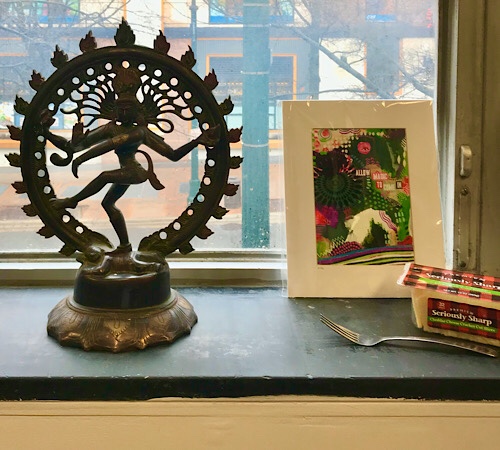
Found Quotations
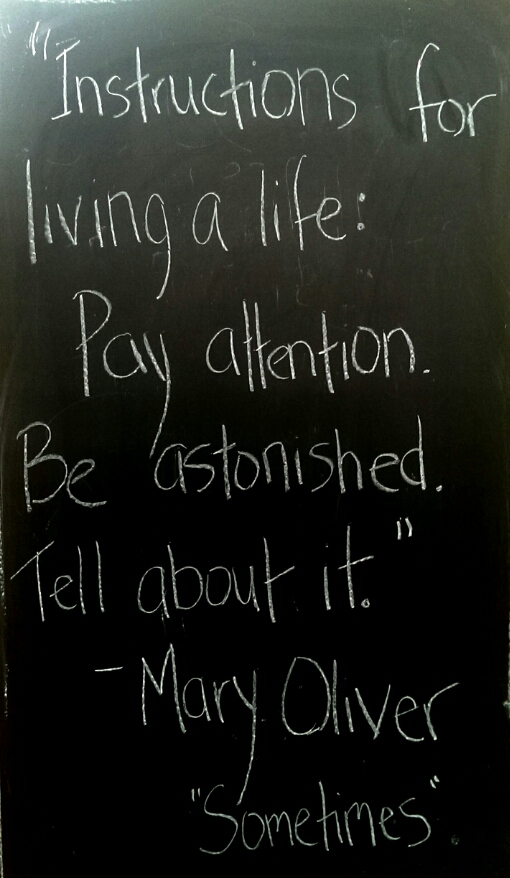
One of the primary themes at the Anusara certified teachers’ gathering this week with John Friend has been how discipline and technique serve our yoga. In keeping with the elemental Anusara principles of “attitude, alignment, and action” (iccha, jnana, kriya), the point has not been to emphasize rules for the sake of rules, form over substance, or technique for its own sake. Mastering technique, by itself, will not bring us to the ultimate intentions of yoga: living liberated (jivamukti), experiencing the very wonder, bliss, and dance of being.
But just playing or seeking freedom for its own sake, while we are embodied in human form, will not likely lead us to the most expansive and steady experience of ultimate freedom (svatantra). It is discipline and technique with the constant remembrance of the reaon for being disciplined about how we practice and live that will take us further on the path.
It can be nice, for example to go to a class where there is little emphasis on form, and the call is just to flow and feel. For me, though, because of my physical limitations (degeneration in my spine, old groin injury, etc–these do not define my being; they just inform how I practice), I feel far freer and more able to expand how much I can play the more attention I give to the physical alignment. In such a situation, the rigorous attention to detail is not for the sake of an external idea of what is right and what is wrong. Rather, it is the constant disciplined attention to alignment that frees me to play as free from injury, pain, and fear of injury as is possible in my body.
The discipline then becomes a way of self-affirmation. It is the limitations that lead me to have to focus more on technique than if I did not have the limitations. That attention then provides a ground for a more expansive practice and a deeper appreciation for the beauty of what the practice can offer.
New York Botanical Garden May 27, 2012
I went outside in the middle of the day to get supplies from the hardware store for plumbing repairs. An expert friend was teaching me how while doing the needed repairs.
This is one of the things I saw.
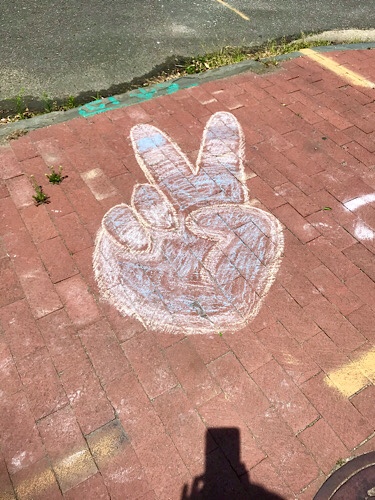
We are composed of nothing different than earth, water, fire, air, and space, and much of yoga practice (as are related practices such as ayurveda) is designed to recognize and align our elemental identity. It is human nature to manufacture, just as it is the nature of a beaver to make a dam or a termite to make a mound of mud that displaces what was in its path. Why then is it so common to think of man-made as completely separate from “nature” rather than to recognize the wild and extraordinary creations of humans as an integral part of the complex fabric of being on this planet?
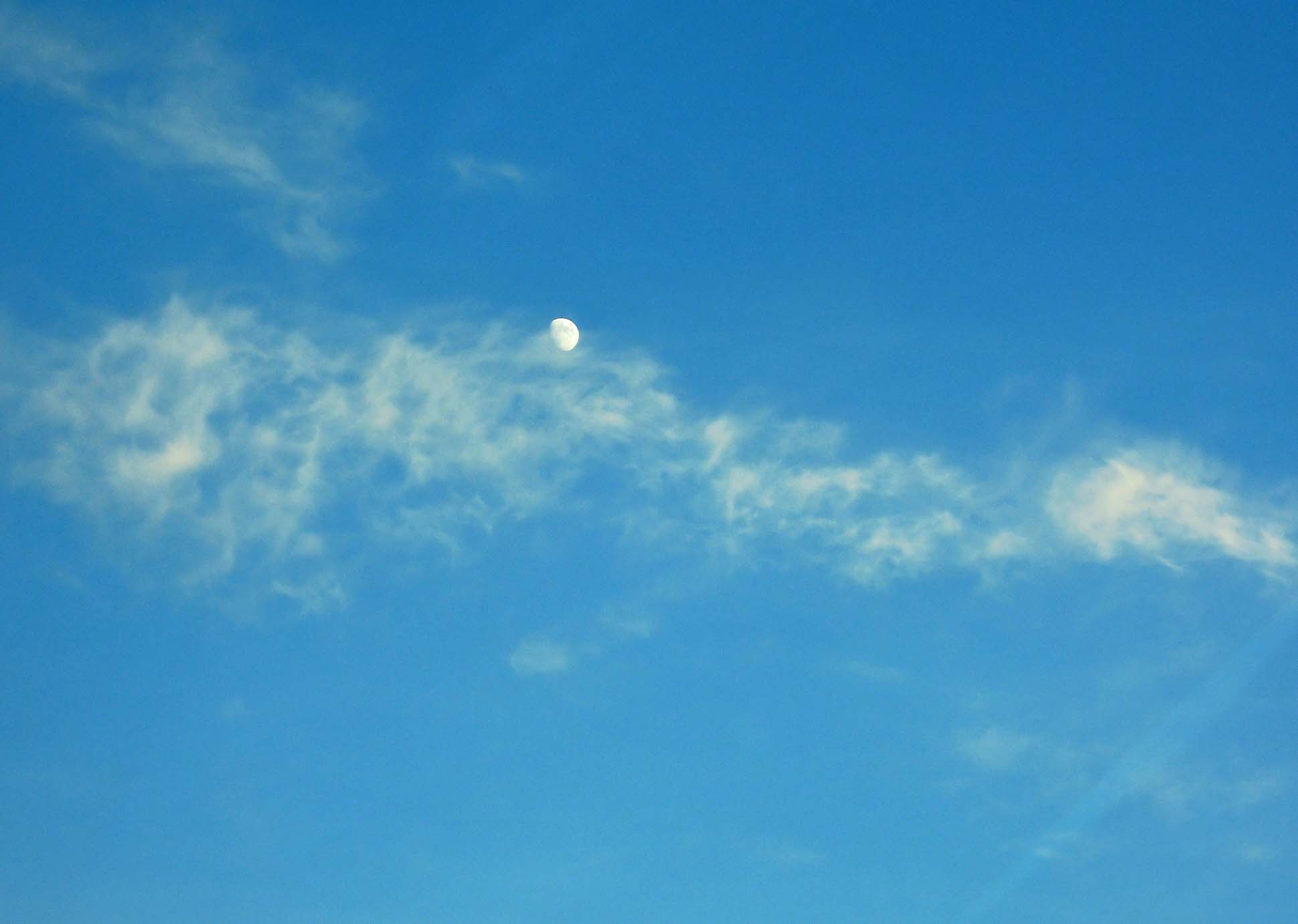

Photos taken on a Thanksgiving trip shared with friends and family: DC to NJ, Cape Cod, and back to NJ before heading home. Without the time on highway and train, I could not have seen so much “nature” in so short a time. Nor, might I add, would I have appreciated being out exposed to the wind and water without the shelter and protection of manufactured goods (including houses, cars, and clothing, etc). This does not mean, of course, that to live better, we should not seek to balance and diminish our consumption of resources for our protection and comfort.