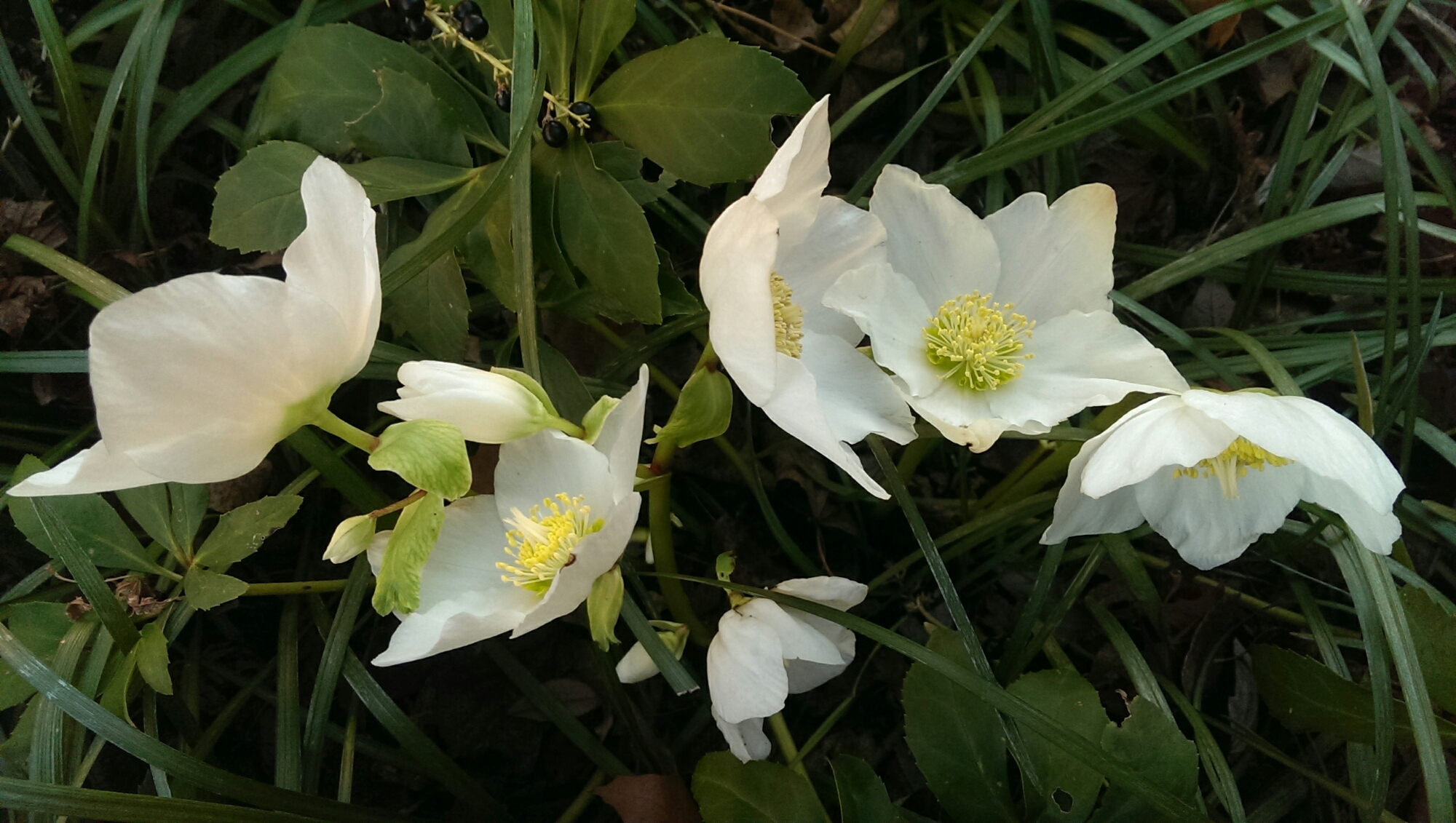
Shadow and Light
A friend once suggested that I took photographs to give myself separation. I do gain perspective, as I do from meditation. The chaos will not go away, and our relationship with it can change.

A friend once suggested that I took photographs to give myself separation. I do gain perspective, as I do from meditation. The chaos will not go away, and our relationship with it can change.

Yesterday, a former student of mine stopped me in the hallway at Willow Street and asked whether the “Yoga of Eating” workshop I will be leading on June 13th will cover Ayurveda. “I will mention it,” I said, “but I will not be teaching it.” I didn’t have time to explain further because I was about to lead class. As far as I got was to add that I was not sufficiently trained to teach it.
Ayurveda is a wonderful science, and I honor and respect my yoga friends and colleagues who study, practice, and teach Ayurvedic principles. Ayurveda is a much broader discipline than yoga, though, and is really medical practice rather than yoga. Asana are among the practices that might be recommended by an Ayurvedic practitioner for a client or patient, but eating in accordance with the Ayurvedic principles is not the same as bringing yoga to how we eat. For me, many of the principles of Ayurveda I have read or been taught are useful, but it has not resonated for me as a governing system, just as I do not believe in applying all of the principles of Western medicine to how I heal and nourish my body.
Bringing yoga to my eating, like bringing yoga to all of my life off the mat, is both simpler and harder than being taught a science such as Ayurveda with fairly clear, but quite complex, do’s and don’ts and then following them. For me, practicing the yoga of eating, is practicing conscious eating. It is practicing reverance and moderation. It is balancing nourishment and pleasure. It is knowing deeply when the will to eat is serving us or getting in our way. It is both simple and subtle. It is easy to say, but deeply challenging and sometime complicated to practice — just like practicing the Anusara yoga principles of alignment.
Seems appropriate for Yom Kippur.

sign reads: “Do we really want a return to normal? Isn’t it time we build something better?”
This summer, we will be exploring a very few of the names of Shiva and how they can draw us to a better understanding of ourselves on and off the mat.
According to the sources, Shiva has either 108 names or 1,000. Each name has a different meaning. All of the meanings point to aspects of our own being that are worthy of contemplation. Some aspects will resonate more deeply for us. Some less so.
For me, besides my almost childlike delight in of lists, words, and myths, contemplating the various aspects is of deep usefulness in exploring my understanding of myself on and off the mat. The various names describe different aspects human nature and how we relate to others and the earth.
The multiplicity of the names also highlights that each of us names and experiences spirituality in a unique way and should have the freedom to do so. (As an aside, I think this multiplicity of forms of worship could be seen as a kind of rebellion within a rigid system of religious laws, but that is a whole other set of thoughts).
In using these forms of meditation as part of our yoga practice or otherwise, whether we meditate on highly abstract notion of “Shiva” representing the auspicious nature of all beings or on one of the names that points to individual aspects of personality, contemplation on any aspect or name can be used to deepen our relation to our best self so that we can be more aligned with our world inside and out.
For class this summer, we obviously cannot get to more than a very few. Feel free to send to me your suggestions about names to highlight.