Untitled


Peace and light, E — Posted with WordPress for BlackBerry.
I wanted to share this article on “ecotherapy,” a term I had not heard before. I found the article interesting because for years now, I have gradually practiced all the elements listed in the article as treatment for depression, not because I had been told by a therapist to do so, but because, despite my feeling the repercussions of going against the grain, I felt happier and healthier settling in one place, traveling more slowly, connecting with my pets, and tending a small patch of nature.
These shifts in lifestyle simply feel to me more in alignment with my own nature and that of the earth. I found, incidentally, it gave me much more time overall to do things. People ask me how I do so much (usually referring to the day job, the yoga teaching, the gardening and cooking, the volunteer work). Thinking of the way they live, and what they do, they ask when do I rest? I say that my life is in fact rather slow and restful. I rest when I meditate. I rest when I am taking the time to make a home-cooked meal — every day when I am in town, often two or three times a day. I rest when I am tending the garden. I do not think of cooking and gardening as chores, but as ways to nurture myself.
I rest when I am commuting because it is on foot or sitting on the bus or metro (note: instead of getting anxious or angry when metro is slow, think of it as an opportunity to draw into yourself and meditate, contemplate, or read).
Not having moved or changed jobs in years, even though there have been serious challenges with both where I live and my job, I had the time, money, and energy that would have been used up in a major upheaval, to engage in the study and practice to become a certified Anusara yoga instructor, and before that, to study drawing and photography and to exhibit my art. Staying in place, I continue to have time to study and to read (not watching TV helps alot, too, for finding time). The choices are different with children in the house, but it is still possible to make choices that require less racing around for the family.
This, to me, is a larger aspect of vinyasa krama, the art of sequencing. When we sequence how we move in space and time in a holistic, sensitive way that honors the rhythms and cycles of our bodies and the earth’s, then we feel less trapped or overwhelmed. When I was trying to keep up with society, I was often sad and anxious. Now I am much less so. I have often attributed it to these choices. Now, I see, society has given us a word for it — ecotherapy. With a word coined for it and put in the press, will people feel more comfortable practicing it?
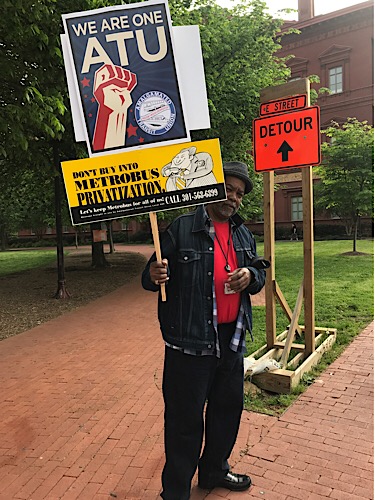
I walked in early to work this morning because I had a dentist appointment and wanted to speak with a colleague before rather than after. I’d planned to get in an hour of work and then take the metro to my appointment. There was a fire that caused a temporary closure, so I head out early and walked. The morning was pleasant, and I had a nice chat on the way with some union workers from metro.
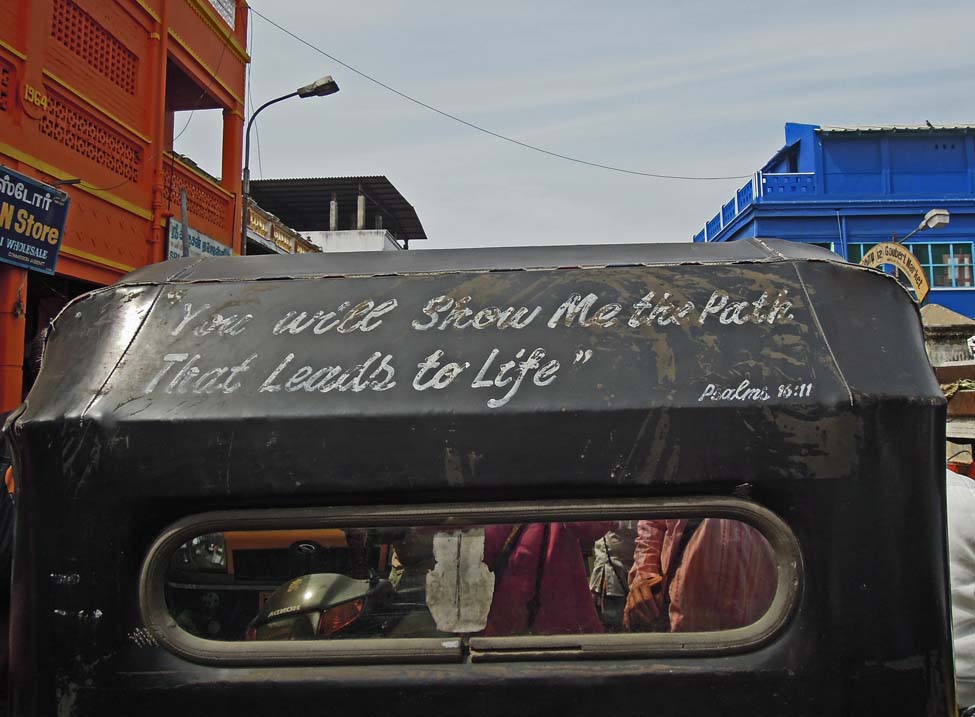
Much is said about devotion in yoga, and there is a great privileging by many of the path of devotion — bhakti. With no clear answers, I contemplate often what it means to practice bhakti, to be devoted in a religious or spiritual sense. Witnessing those on pilgrimage when I was in India (it was “pilgrimage season”), I was flooded with memories and ideas for contemplation about what it means to be devoted and how people express devotion.
Among the thoughts and memories were having observed the operaphiles in their expensive clothes swoon and gasp and applaud at the Vienna Opera House on the opera level where I had paid a dollar for standing room; having been literally swept off of my feet in the press of the crowds heading to the tube at Wembley Stadium after seeing the Rolling Stones in concert; watching the people do the standing wave thing at ball games while hollering for their team as if their whole view of the world was dependent on who wins; having taken, standing room only, the third class train from Florence to Rome during Easter week (a different pilgrimage season), on asking who is that woman on the billboards, discovering that India, too, has a habit of electing movie stars to political office.
Peace and light, E — Posted with WordPress for BlackBerry.
