Untitled

From the perspective
Of the gods and of science
One life is but ephemera,
However much loved.

Peace and light, E — Posted with WordPress for BlackBerry.
The camera may not lie, but it certainly, like our own perception of things relative to that of others, have a distorted or unique perspective. One of the essential principles of the yoga world view is that of maya or illusion. In classical yoga, everything in the world is illusion; the only thing that is real is Atman–ultimate consciousness or god. In the tantric world view, the role of maya is more complicated. It essentially boils down to the idea that we are under an illusion when we think of the world and divinity as separate, and that this illusion of separation leads to a suffering of the individual spirit. Whether one hold with either of these world views or not, it is always true that thinking our limited perception is the only truth will likely lead to discord, misunderstanding, and strife.

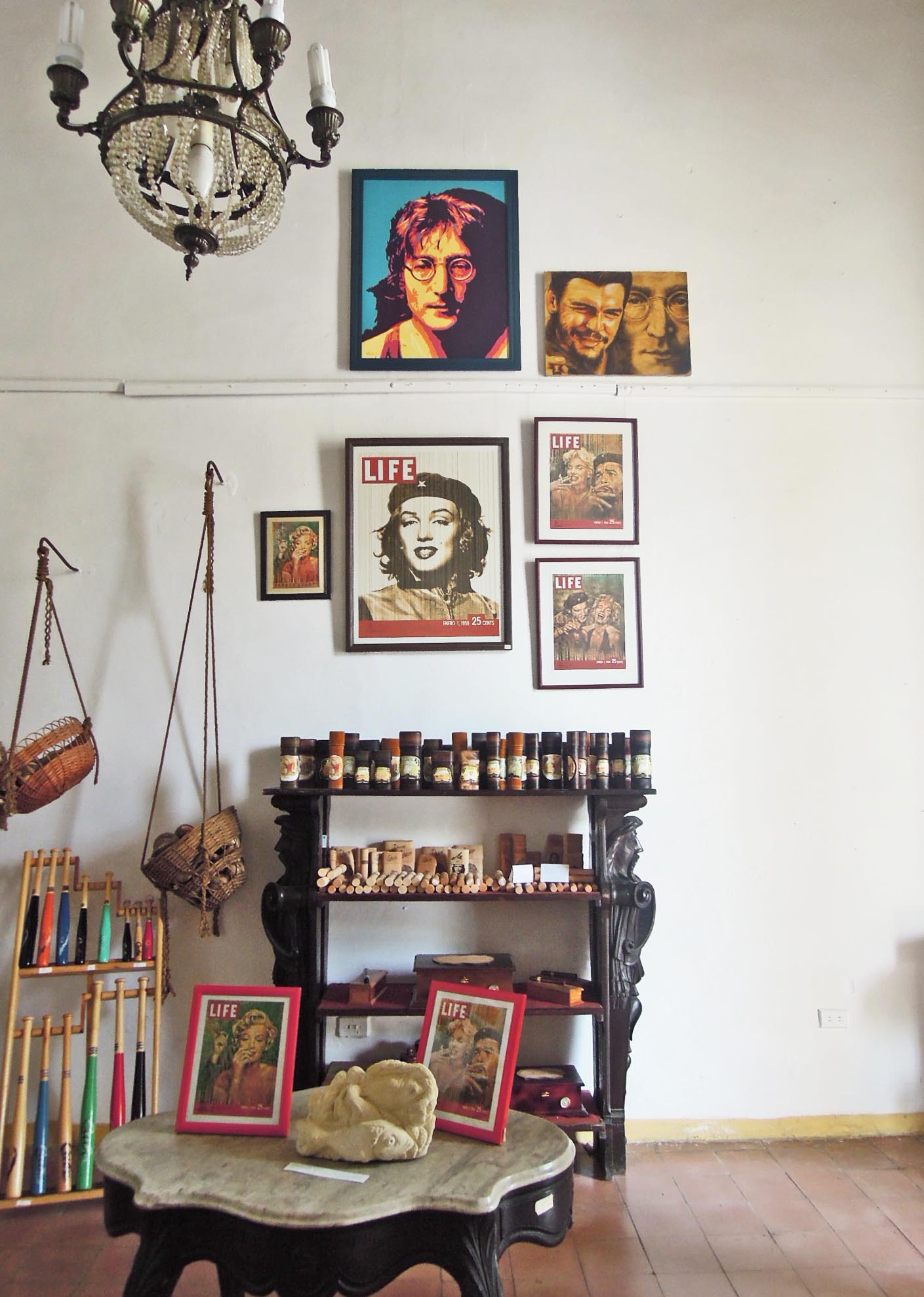
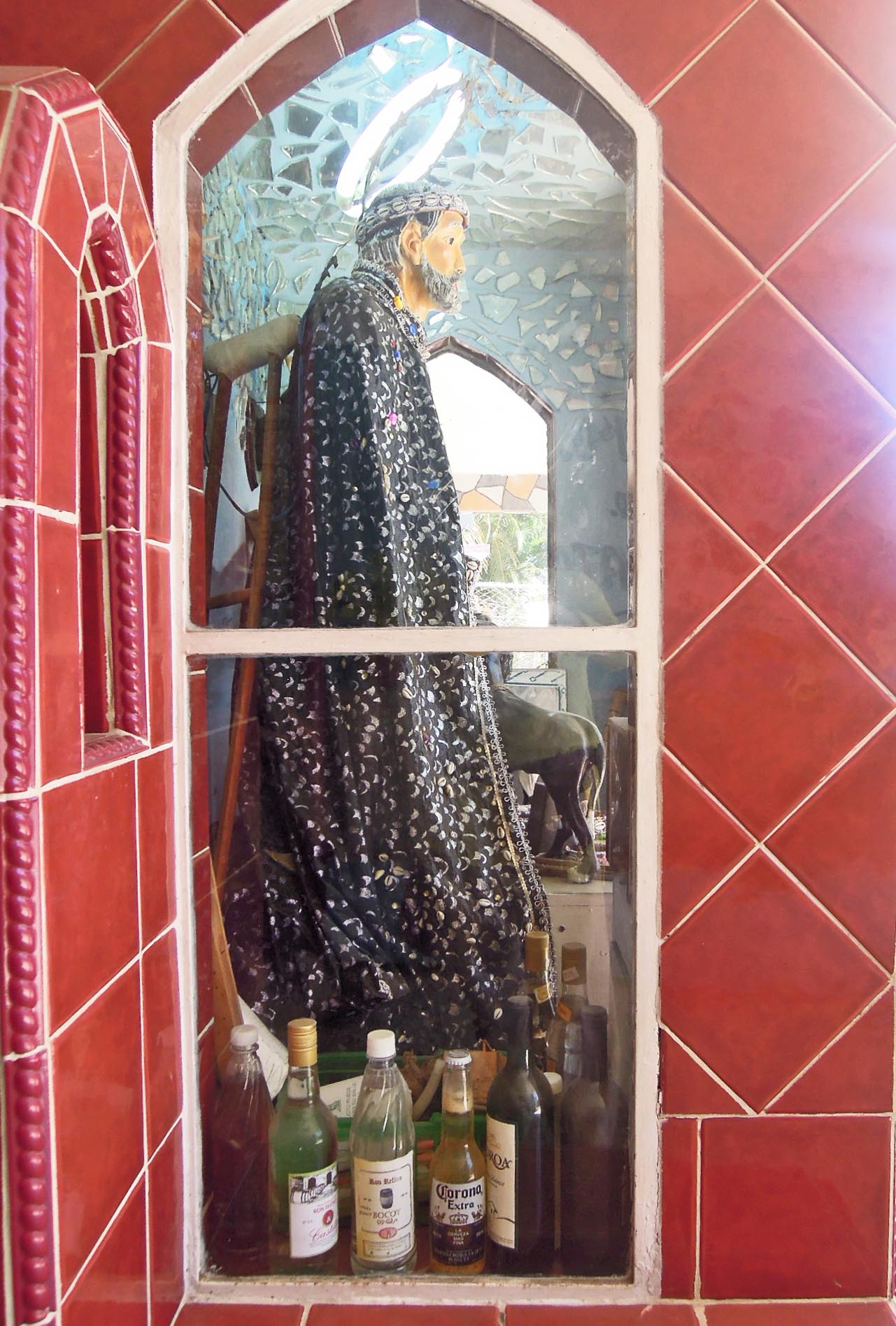
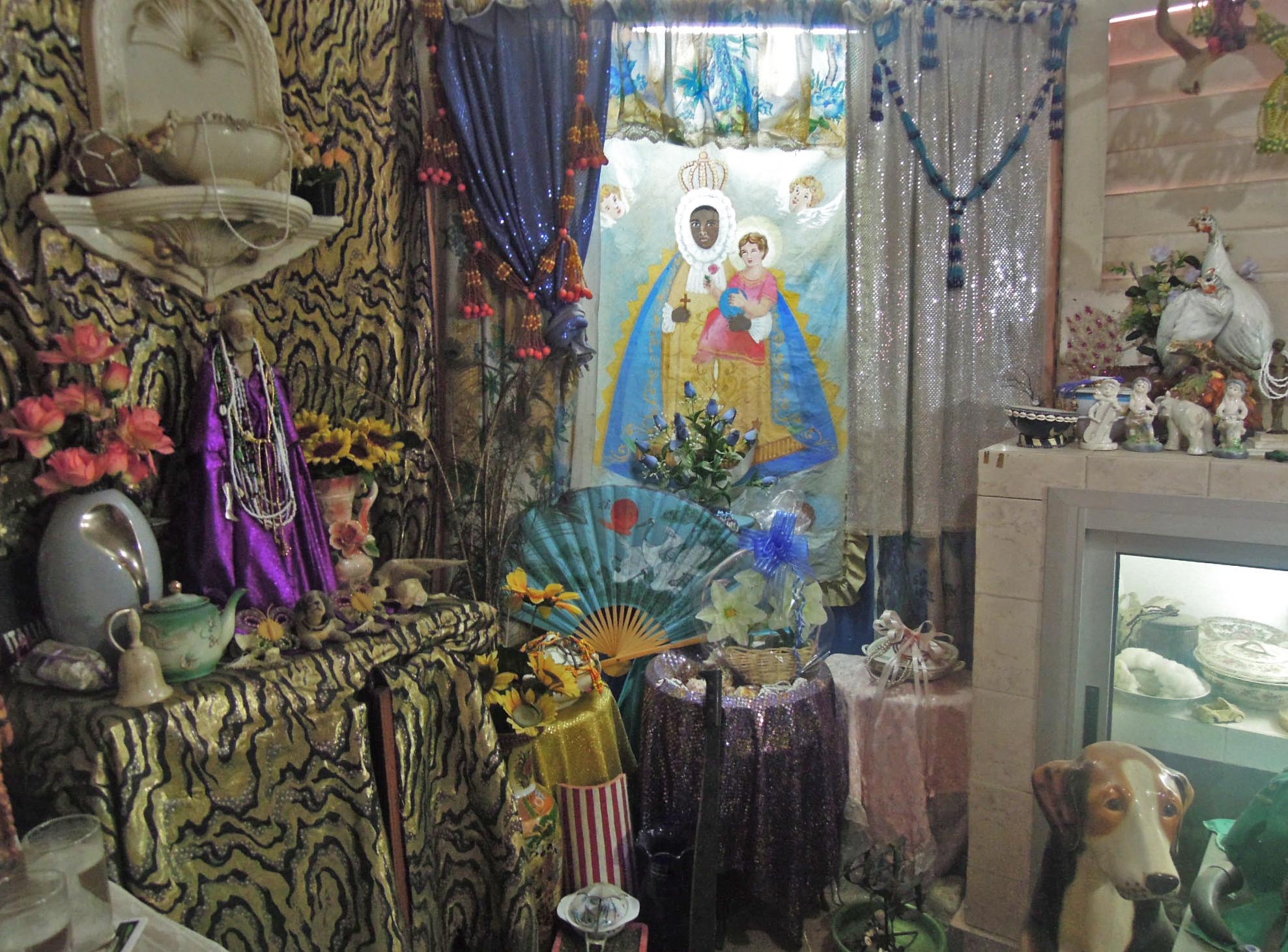
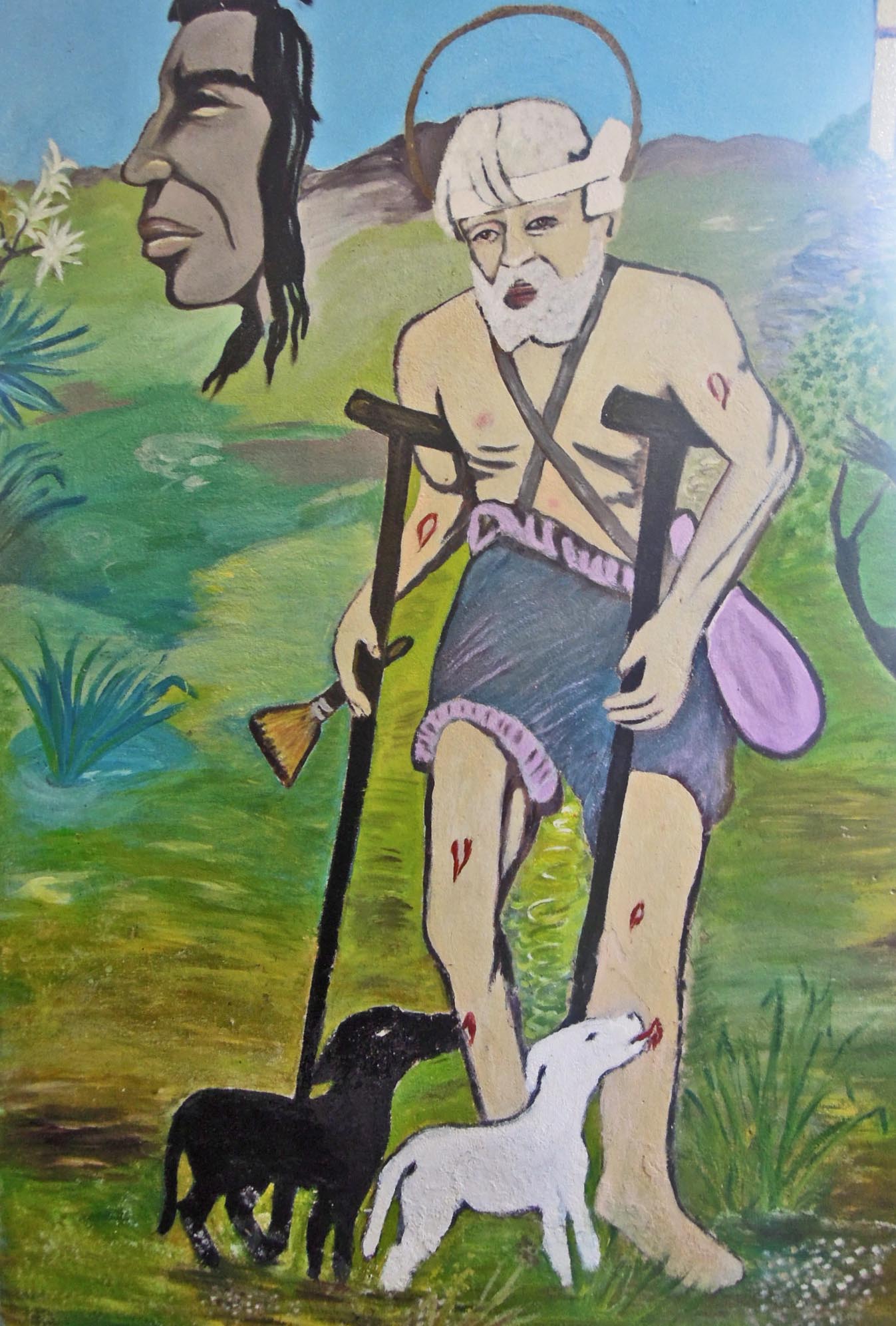
In which I encounter some more of the 330 million gods (mas o menos).
(Notes: (1) Hindu philosophy speaks of 330 million gods, i.e. a bigger number than we can actually get our minds around, one for every person, giving room for a complete diversity of belief. While I don’t believe in “God,” I have no problem with the idea of 330 million gods, none more exclusive or correct than any other, with no permission to use of the concept of “God” as justification for murder, physical harm, repression, or suppression of expression because of societal or family of origin privileging any particular belief. (2) “Maya,” which in Sanskrit not Spanish, literally means to measure, is the tattva that is the bridge between the universal and the manifest. The “universal” is immeasurable; what we think of as manifest is always measured in space and time. The distinction between how the tantrikas and other yoga philosophies interpret the concept of maya is for your own research or another day. (3) The number 108 refers to Shiva.)





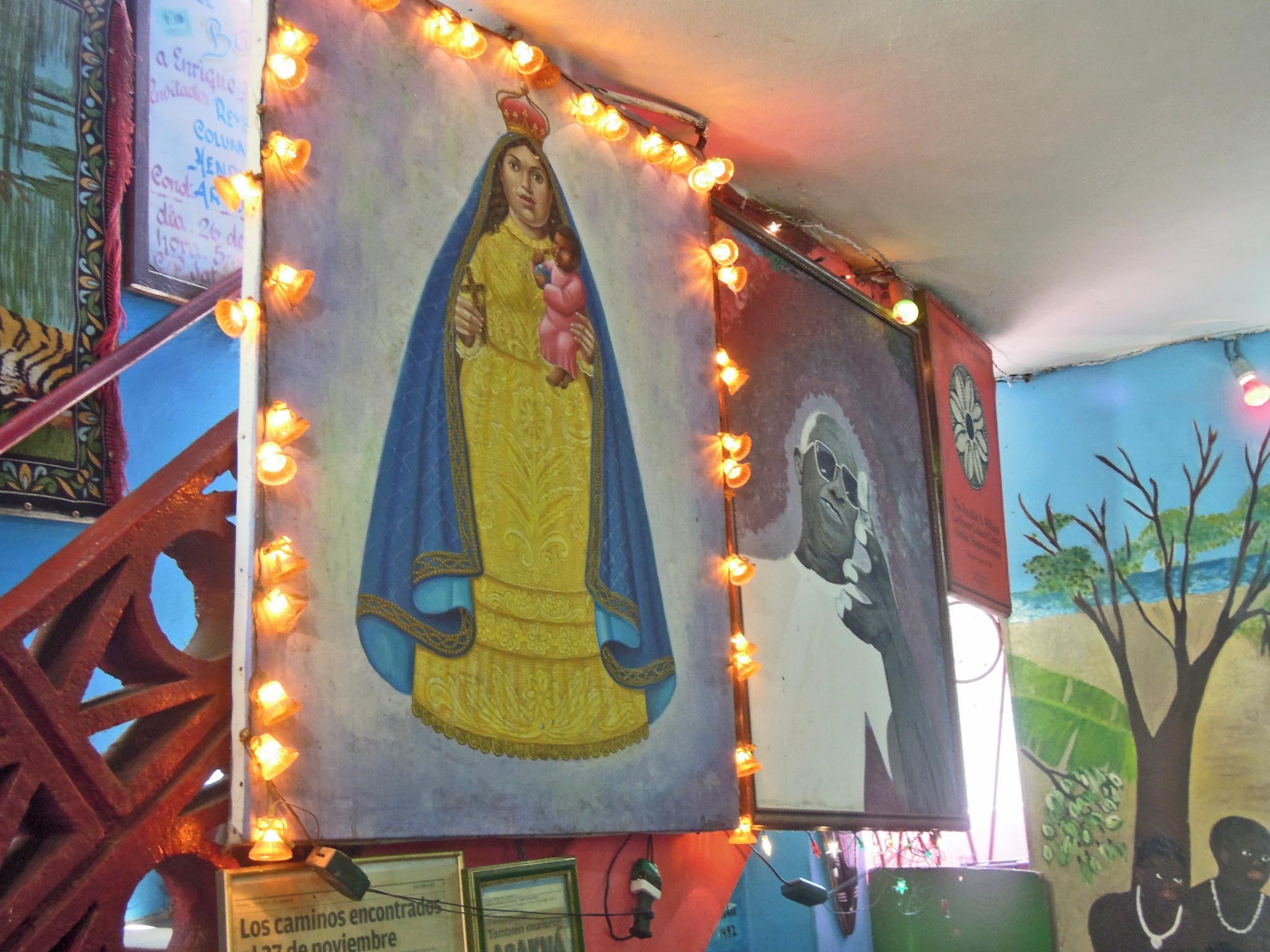
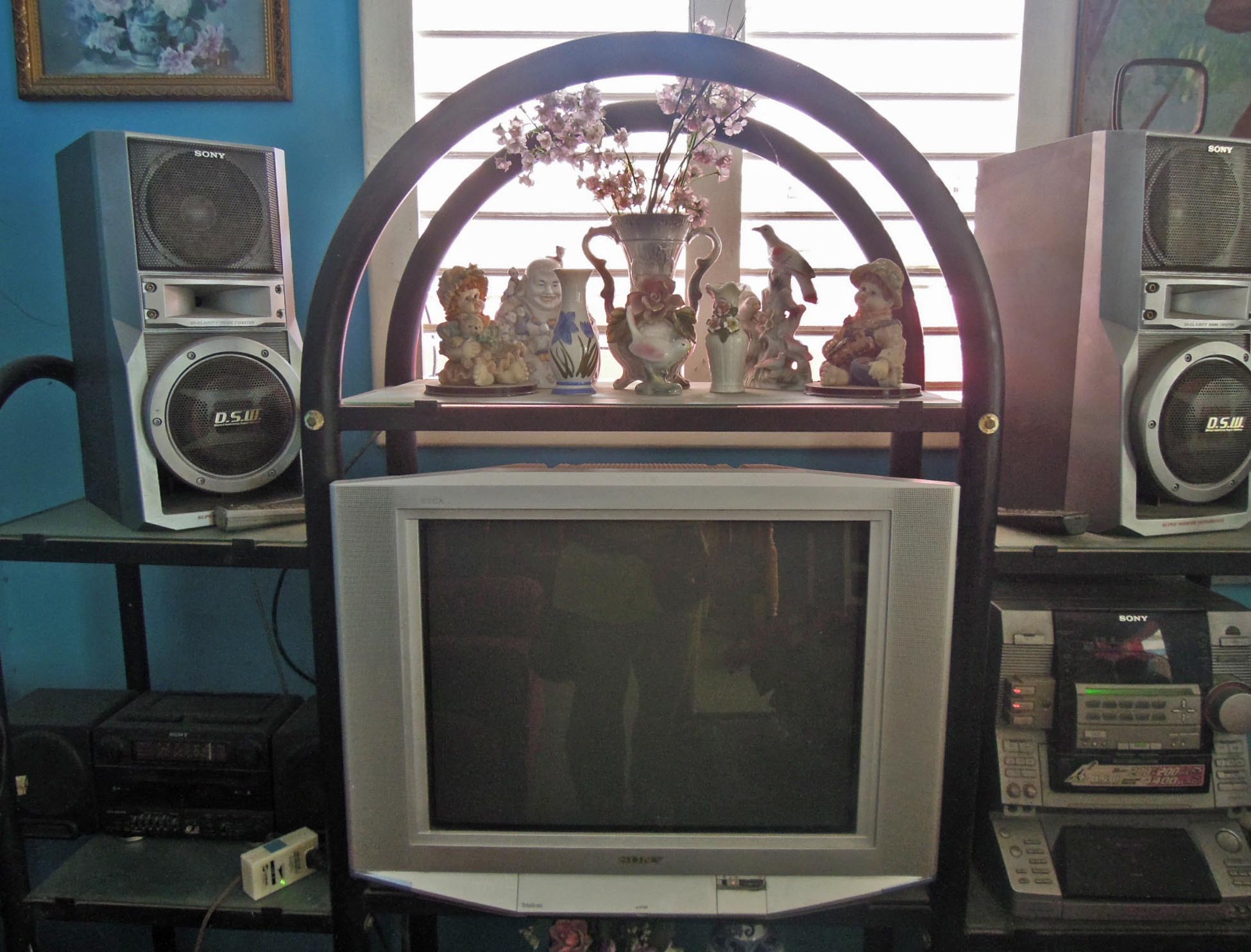

And because wishes are no more adequate alone than are thoughts and prayers, also continue to seek ways to serve to expand the opportunities for justice and joy for more.

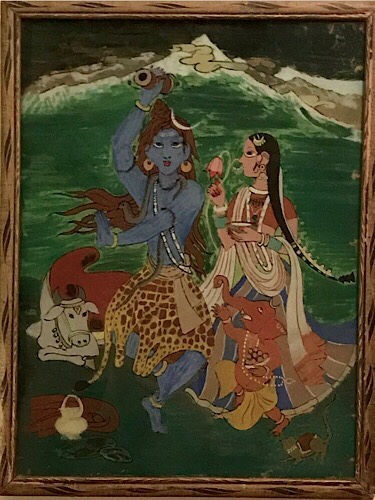
Siva, Parvati, Ganesha, and Nandin, reverse painting on glass, mid 20th century