Similar Posts

  • | | |

    Winter Gardening Fun

    image

    It was a day of meetings and conversations and emails.  I’m in the middle of a major project, and it feels demanding.  I’m being careful to take good care of myself.

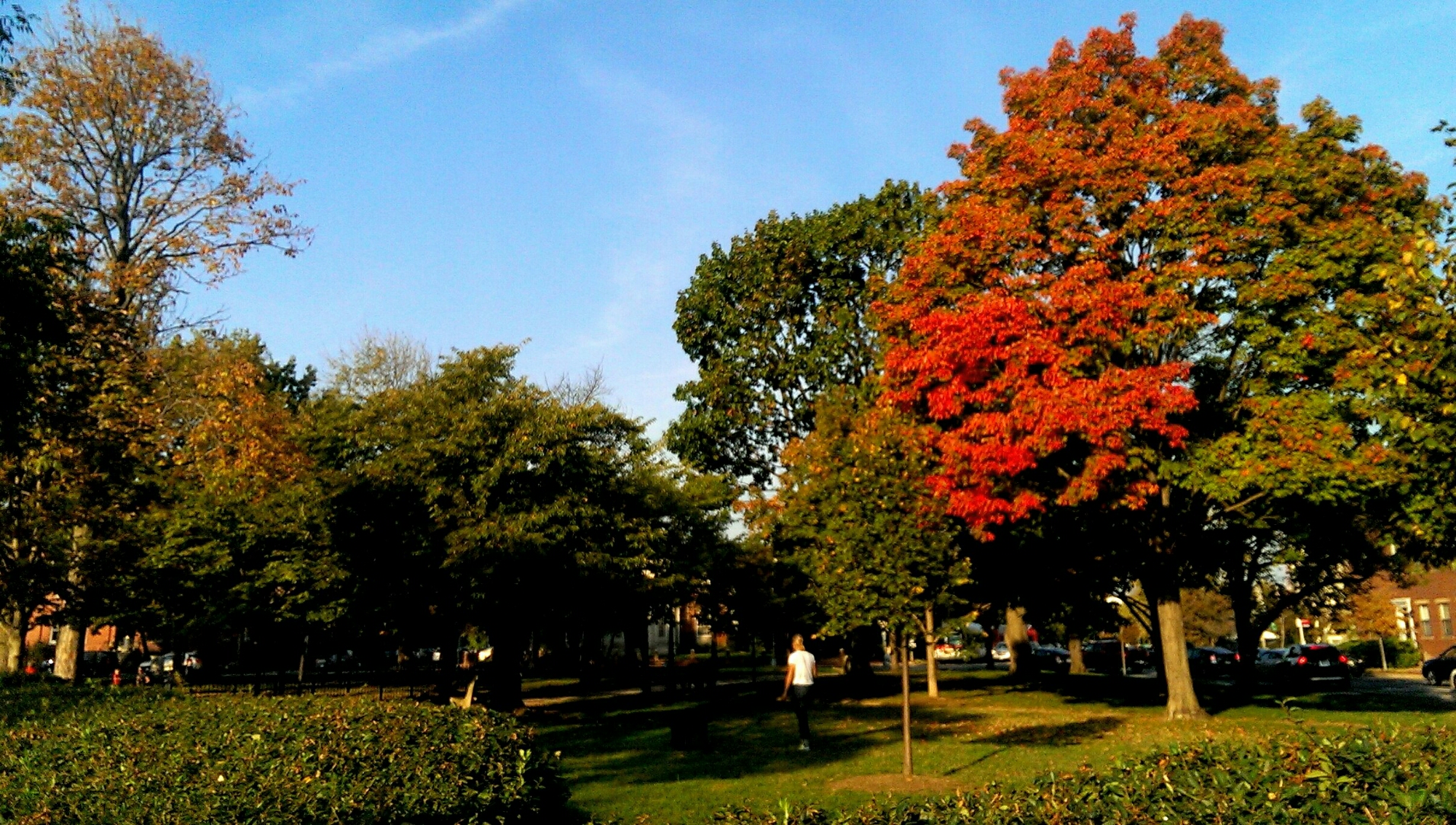
    On the walk home, just as the last glimmers of daylight were fading, I could feel the temperature dropping.  Any last warmth was being blown away by the wind.  I was bundled up and had my computer with me with the intention of working from home.  The sky was like a black opal–dark blue-grays with fiery orange streaks.  The walk (chanting the Maha mrityunjaya mantra for some of the way) shifted me out of work mode.

    I came home to my newest gardening venture. The worms will arrive separately; they will be held for me at the post office to keep them out of the cold.

    Experienced vermicomposters, please feel freee to post your favorite tips for happy, healthy, hungry worms.

  • Asana Practice and Digitalis

    During last night’s yoga practice, we were exploring how advanced yoga postures such as headstand drop-overs could have therapeutic applications. If the practitioner is able to do the poses preparatory to the pose (for headstand drop-over to be accessible in a healthy way, the yogi should be able to do dwi pada vipariti dandasana and, of course, sirsasana, in good, easeful, steady alignment), then the pose can be integrating and healing for the shoulders and strengthening for the neck. For those with little cervical curve, really working to lengthen the side body, integrate the shoulders, and radically melt the heart (which is what is necessary to get into the pose), can help develop the cervical curve. Done out of alignment, the headstand drop-over risks the shoulders and neck–the very parts of the body that would be healed and strengthened if the pose were done in alignment–are at risk of injury.

    Four or five years ago, I was at an advanced intensive with John Friend where he likened advanced asana practice to digitalis. Digitalis, which is a beautiful flower, is one of the most poisonous plants in the garden. Taken the wrong way, it can make you very sick indeed. Properly distilled and administered in just the right dose, digitalis is one of the most powerful and curative heart medicines available.

    When we approach asana, especially the more physically challenging postures, with great respect, care, and discernment, we can not only benefit from its extraordinary healing and life-expanding powers, but revel and delight in dancing in our bodies. If we approach asana without honoring ourselves and the power of the practice, however, we put ourselves at risk and we fail to realize the benefits that are possible.

  • | |

    Using Technique to Express the Virtue We Wish to Embody

    I got a ride home from the John Friend workshop in Bryn Athyn with my friend, colleague, and student Jen.  Jen’s husband, who is a dance professor at a local college, and her three-year old daughter came up to Philadelphia and visited friends during the day while we were at the workshop.  For the initial part of the road trip home, we sang several rounds of “if you are happy and you know it clap your feet,” a days of the week song, a counting song that involved a wiggle (or was it a wriggle) and a jump, the alphabet, and I think maybe “loop-de-loop,” and had some snacks, after which Jen’s daughter moved into silence and then sleep.  Before moving into silence ourselves, we spent some time talking about what we had learned and experienced at the workshop.

    “Do you have any good sound bites from the weekend?” Jen’s husband asked.  I said I did not have any particular sound bites per se, although there were a few things that would definitely provide inspiration for teaching and blogging.  “I have a good one that I think will make sense to you,” said Jen.  “John said that we can use technique to express the virtue we wish to embody.”  What I liked about the statement is that it put in universal terms that would appeal to a dancer and dance professor, or anyone who understands how technique assists the clarity of artistic expression, an essential element of the yoga philosophy and Anusara principles without requiring prior knowledge of the philosophy or principles.

    The statement is an encapsulation of the “three A’s of Anusara” — “attitude, alignment, and action,” which are the essence of practice (also see my previous post on how these principles correspond to the tattvas).  We always seek in every part of our practice and in every pose to open to grace, to soften and receive, to be open to the fullness of life and love, to see and reveal the good.  This is our “attitude.”  The universal principles of alignment are technique.  They are not just technique for the sake of perfecting technique, to discipline ourselves, or to make ourselves or our practice “correct.”  Rather, learning and practicing the alignment principles in an ever deeper and more refined way enable us to express more clearly and elegantly our attitude — in a word, embody the virtue of being open to grace.

    The songs we were singing in the beginning of the car ride, with an attitude of delight, also can serve the purpose of helping a child naturally to embody virtue.  Jen’s daughter was having fun with the sing-along toy.  She wasn’t singing because she needed to learn numbers, days of the week, and the alphabet to pass a test or to make sure she was right or to please her parents.  They were cheerful and fun for her.  When she sang along, it was out of delight.  She was, though, learning beginning language and arithmetic skills that will help her communicate and get on better in society.   As she grows older, in the absence of these skills, it would be hard for her to express her joyous spirit in a way that deepens conversation, relationship, and ability to participate fully in the obligations of society.   When we learn technique — in whatever area — we will be furthering our ability to embody virtue if we use the technique to enhance our skills to work for, offer, and express peace, love, nurture, and growth, rather than learning technique for the sake of accomplishment, worthiness of praise or remuneration, or needing to be correct.

Leave a Reply

Your email address will not be published. Required fields are marked *

This site uses Akismet to reduce spam. Learn how your comment data is processed.