Signs Around Town
It is times like these where the importance of one’s personal home practices is emphasized.
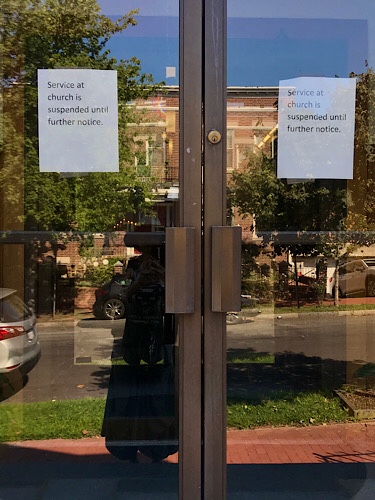
It is times like these where the importance of one’s personal home practices is emphasized.
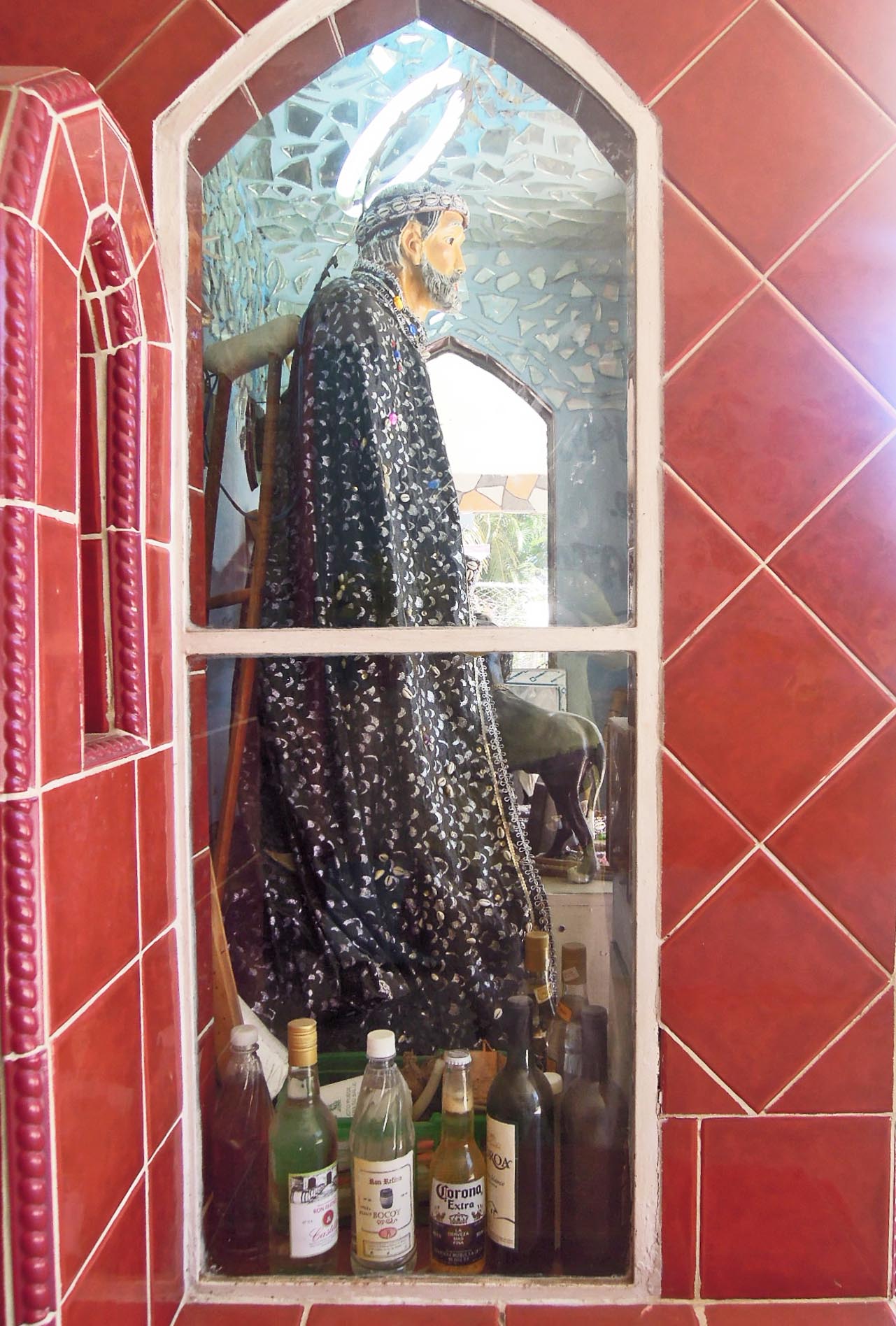
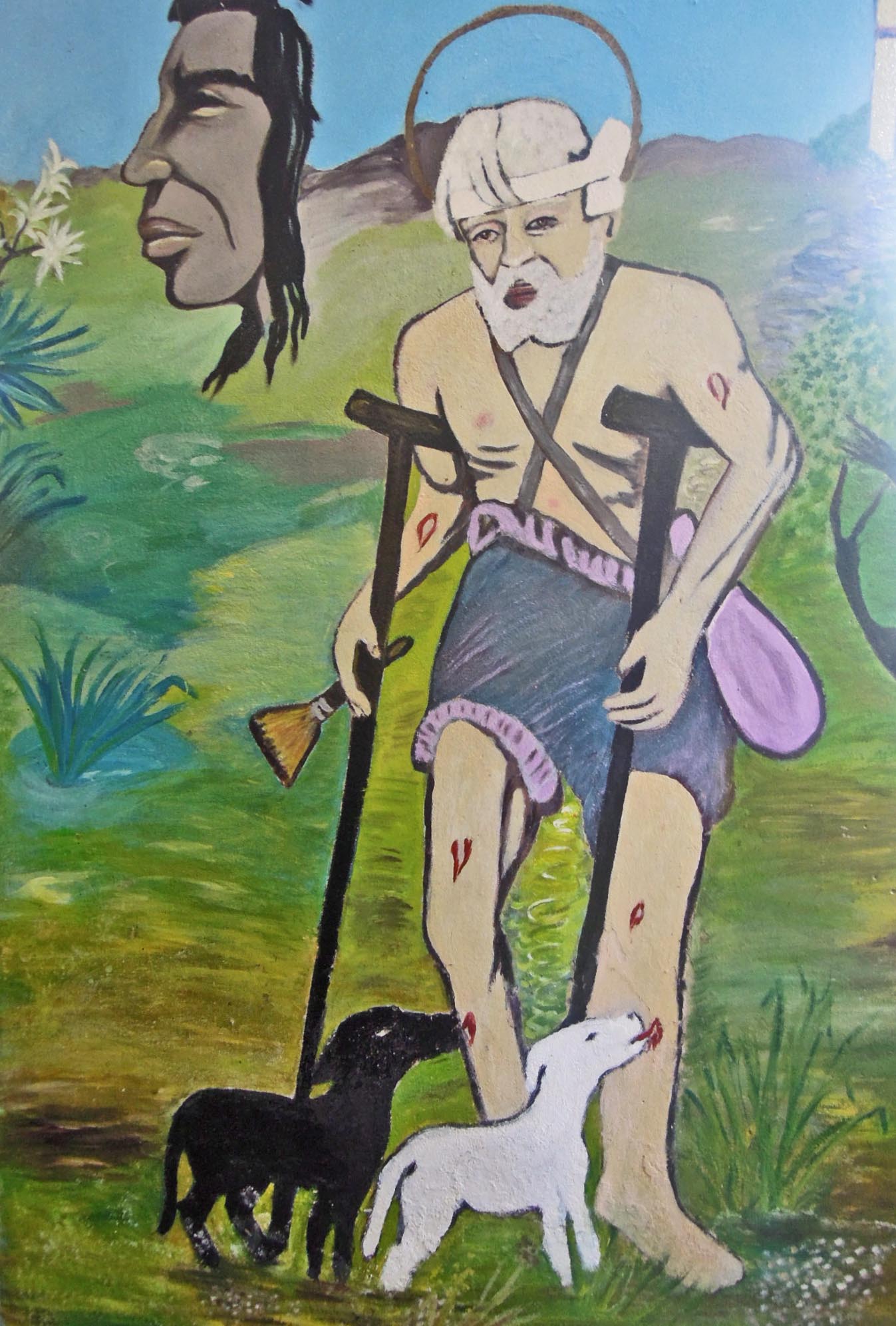
In which I encounter some more of the 330 million gods (mas o menos).
(Notes: (1) Hindu philosophy speaks of 330 million gods, i.e. a bigger number than we can actually get our minds around, one for every person, giving room for a complete diversity of belief. While I don’t believe in “God,” I have no problem with the idea of 330 million gods, none more exclusive or correct than any other, with no permission to use of the concept of “God” as justification for murder, physical harm, repression, or suppression of expression because of societal or family of origin privileging any particular belief. (2) “Maya,” which in Sanskrit not Spanish, literally means to measure, is the tattva that is the bridge between the universal and the manifest. The “universal” is immeasurable; what we think of as manifest is always measured in space and time. The distinction between how the tantrikas and other yoga philosophies interpret the concept of maya is for your own research or another day. (3) The number 108 refers to Shiva.)








Though there is still snow on the ground, the days are about to be longer than the nights, and my inbox is full of both expensive and discount offers for cleanses of various sorts, and I’m seeing Facebook posts asking about good spring cleanses with all sorts of suggestions in response. If I were a different kind of reader and practitioner, I’d no doubt be beset with explanations and special offers for dieting into a bikini-worthy body. If I were an even different sort of reader, I might be thinking I needed an official spring cleanse, one of the ones that yoga acquaintances say make them feel light or high, etc.
I don’t much believe in cleanses, but I do believe in listening–really paying attention–to my body and emotions and how they relate to the cycle of the seasons. In winter, I tend to gain a few pounds from spending more time inside and eating the heavy, dense food my body wisely craves in winter both for warmth and protection from starvation (granted the latter is not a real threat for the middle-class, but my genetic make-up doesn’t know that). I fully trust that when the days get warmer and lighter and I can spend more time outside walking and spring vegetables and fruit start to show up at the market, I will lose a few pounds.
Before you get too caught up in thinking that to have the body you’re supposed to have (whether it be for looks or some fashion-driven notion of health) you need to go on some formal diet you might not need or spend money having someone tell you what to eat and when (although if you find that works for you, who am I to say no?), why not try noticing whether the change of light and temperature alters your natural cravings (not the ones for junk food or excess sugar or salt)? If you can notice a change in what food attracts you, try honoring the change.
You might find that small portions of kitcheree (lightly spiced rice and lentil porridge), along with plenty of fruits and vegetables (and as spring produce comes in, you’ll find spring vegetables and fruit want less cooking than do winter ones, or perhaps none at all), feels like a nice way to lighten up for several days as the seasons transition. Ssssh! That’s pretty much what’s in a spring cleanse. If you want to make your change of diet feel sanctioned by the yogis add some reading on Ayurveda or mindful eating to invigorate your practice and your dedication to paying loving attention to your body and how it relates to the seasons and the web and cycle of being.
As a nontheist, I’ve not been much called to prayer throughout my life. In these days of social crisis though, in addition to taking concrete action, though not directed at a being, I find myself praying as a mode of personal comforting.
We leave Delhi before dawn tomorrow to go up into the Himalayan hills where we will be meditating and chanting in a place of great beauty.
I’m told there’s WiFi. I will no doubt find myself reading the news, signing petitions, and sending comment letters, as well as posting photos, but perhaps not every day.
A work colleague of mine graciously said to me that he did not know how I got through certain meetings without yelling, he did not know if he could do it. I replied that lots of yoga helped. “Maybe I should get back to transcendental meditation,” he said, “but I found it did not really help; I should find something, though.”
I said that I tried to think of the challenges at work as just part of the dance that yields such rich abundance for me. The discussion carried on, and we not only resolved the minor problem that had led to the phone call, but also felt a deeper connection that will make it easier in the future to resolve work issues that we mutually encounter.
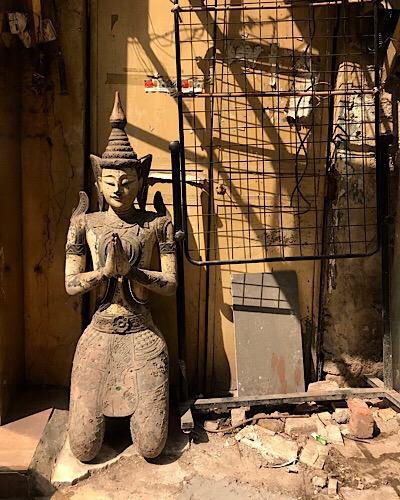
What I like best about the myth of Nataraja is that the dance is not for the purpose of creating the world or with any particular design, but for the sheer bliss of dancing — anantatandava. The dance makes possible both destruction and creation, but it is not its reason. When we engage in the dance of our own lives, yoga invites us just to dance fully with wonder at the rich diversity of experience. We make choices and seek to be more aligned, but ultimately we are just dancing.