Murtis Around Town
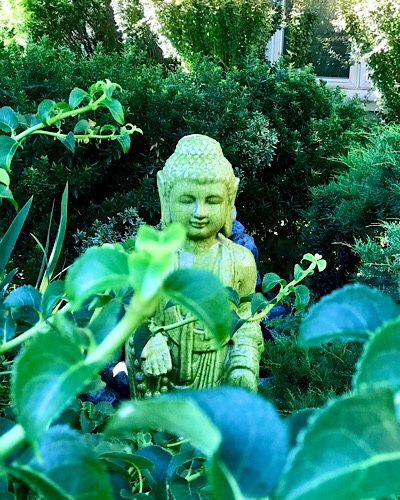
It is hard to imagine how this tree–sundered down the middle–continues to live upright.

Peace and light, E — Posted with WordPress for BlackBerry.
A brief afternoon nap is one of the benefits of working from home.
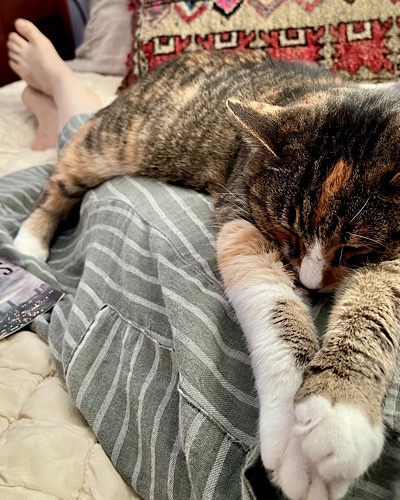
Some mornings when I sit for meditation, the goddess incarnated as cat decides it is time for a twenty minute belly rub. Though I might do so meditatively and though her name is Uma, it is not quite meditating.
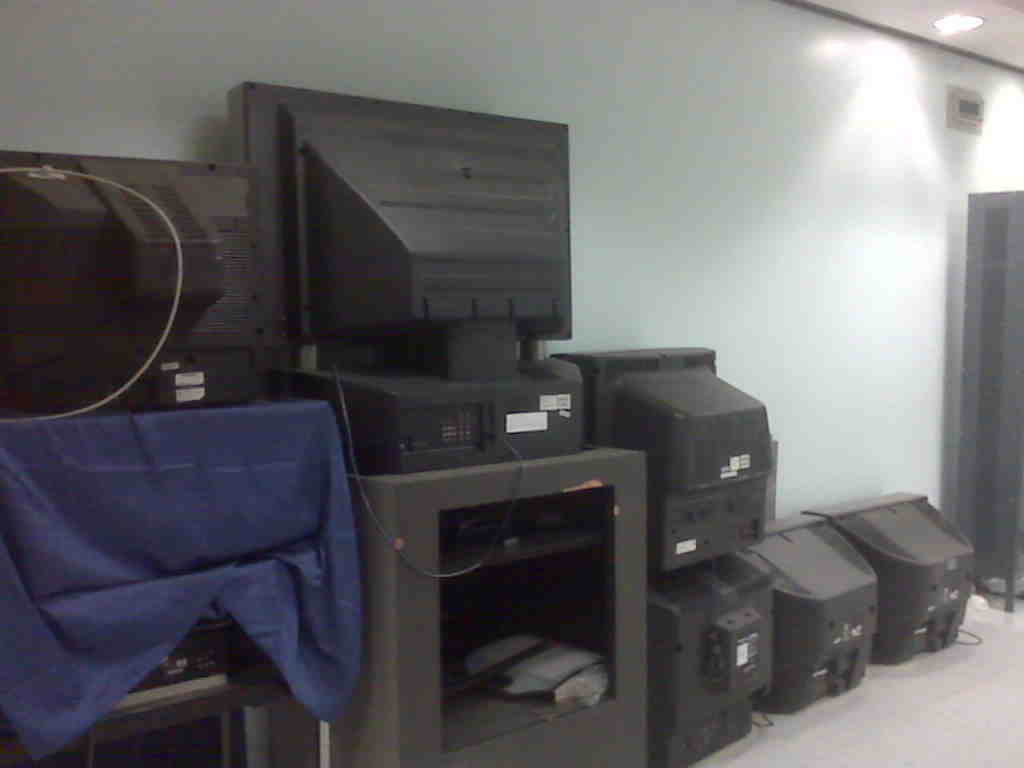
Remember when these would have been costly and exciting toys–the latest technology–that would have been protected from theft and breakage. Now they are just a pile of partly toxic garbage, replaced by the newest exciting and expensive gadget. I do not claim to be free from the allure of technology and its toys (blogging as I am by Blackberry with built-in camera), but this stack of dusty now junk one can only hope will be at least partly recycled is an excellent reminder of what is important and the fleetingness of gratified desire.
Peace and light, E — Posted with WordPress for BlackBerry.
As I was headed out at lunch, a co-worker in another office whom I know only from the hallway, asked, “do you have an umbrella?”
“Yes, I do, how are you?” I replied, knowing that she was trying to be helpful. So many of us work in spaces without windows, it was not unreasonable for her to think I might not know it was raining.
Another woman who I did not know said, “I heard it might rain all weekend,” revealing herself as one who gets all knowledge of the weather from tv.
I thought, but did not say, “yes, there is that pesky hurricane coming.”

Peace and light, E — Posted with WordPress for BlackBerry.