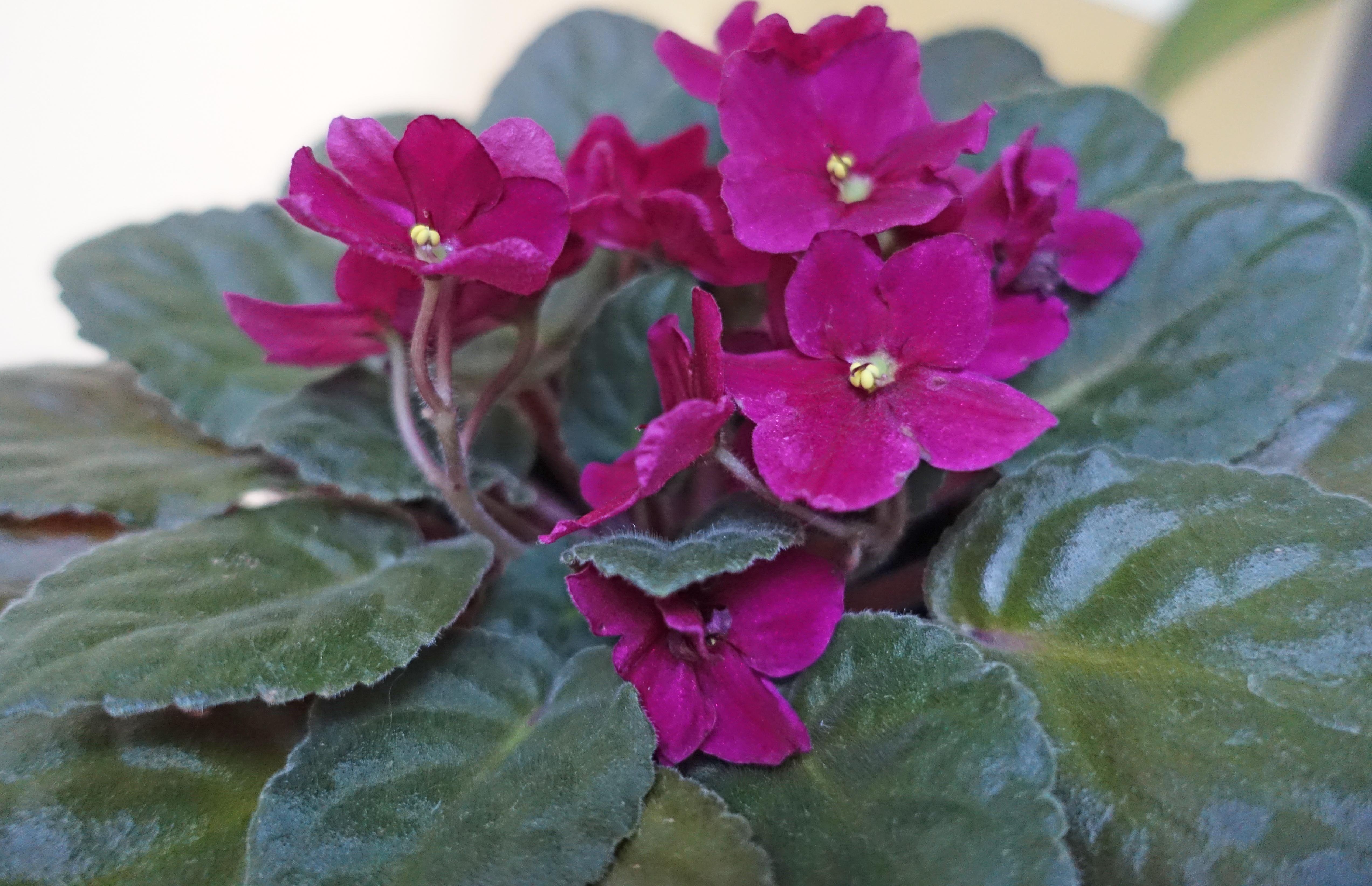
Blossoms Around Town



I practiced, including a Zoom class led by my friend Suzanne Lynch, I asked for help, I expressed appreciation to various friends and colleagues, I went out into the garden at lunchtime, made several more donations, and sat under the cat. And I re-centered enough to be able to persist.
I hope you all are finding your way in this. Let me know if you want to practice–on-line.1

I brought sprouted lentil and cucumber salad to a potluck dinner at a neighbor’s house last night. The host had spent a fair amount of time in the kitchen. I commented that perhaps it wasn’t right that I’d brought a salad that only took about ten minutes to prepare. Then I thought about what went into my preparations. First, I grew the cucumber. Then – sprouted the lentils. One of my friends said in response to my saying I’d sprouted the lentils, “Elizabeth, you know there are the Whole Foods and The Harris Teeter. You don’t have to make your own sprouts.”
(Oh, you can just imagine, dear reader, my initial unspoken response in my head.)
“Yes, I do know that,” I responded, but there are so many reasons to do your own sprouting.”
1. Especially in winter, home sprouts are the freshest greens you will get.
2. No salmonella with home sprouts. (This got an enthusiastic back up from a fellow guest who was now thinking maybe she should start sprouting.)
3. Cuts way down on plastic waste. Consider how sprouts are packaged for supermarket sale.
4. Cost savings–a very inexpensive food instead of one marketed as a high-cost gourmet specialty food. (The conversation took on a life of its own; I no longer needed to be the advocate).
The Recipe:
Peel and seed a cucumber or two. Cut into 1/2″ or slightly larger dice. Mince about 1/6 cup sweet onion or white and pale green part scallion (or more or less to taste). Add a couple of generous handfuls of lentil sprouts. Use more sprouts than cucumbers if serving as the main feature of a cool summer light meal instead of as a side salad. Splash with olive oil and then toss to coat. Add a little balsamic, red wine, or sherry vinegar. Toss again. Add salt and pepper to taste. I also added minced cilantro and jalapeno because the main course was enchiladas. For an Italian version, try with fresh basil and a little green or red bell pepper. For a Spanish style salad, use parsley and replace the vinegar with lemon juice. Think of your own variations and don’t be shy about sharing.
Last night I went to see the revival of the Bernstein musical version of Voltaire’s Candide, now playing at the Shakespeare Theater’s Harmon Hall (discount tickets available), which was absolutely a delight — fantastic staging and direction, luxurious costuming, enthusiastic performances. Throughout his journey, which is beset with cruelty, hardship, natural disaster, and other mishaps wherever he goes, Candide sings of his tutor’s optimistic advice that “all’s for the best in this best of all possible worlds.” The application of this philosophy leads to some silly results, including the Monty Python-worthy lyric “it’s a great day for an auto da fe.”
I have a friend who, after telling me of various life challenges and griefs, inevitably signs off with the phrase “it’s all good,” though I am not sure she believes it. I thought of her repetition of the phrase “it’s all good,” while I was watching the musical. Later in Candide’s travels, he encounters a second philosopher scholar who (I’m paraphrasing loosely) contradicts the “it’s all for the best” philosophy of Candide’s tutor by telling Candide to just look around and he will know that things are not in fact always for the best. A fluffier version of the debate in the novel, as to whether things are all for the best when there is so much cruelty and devastation, is interwoven into the rest of the play.
I’ve never had a desire to wear the t-shirt proclaiming that “it’s all good.” I look around me, and I simply do not believe it. I do believe wholeheartedly, though, Voltaire’s premise that we have the responsibility to “cultivate our garden.” As my teachers John Friend and Paul Muller-Ortega espouse, we should “respond from the highest,” regardless of what we experience and encounter. By having our response make the best of all possible worlds from things that are not evidently for the best, we bring more light into the world, whatever is our world view. I can only hope that with steady practice of yoga and meditation, I can keep ever truer to these teachings when I am seriously challenged.