Art and Culture | Community and Family | Food for the Mind (Yoga Philosophy, etc) | Gardening | Meditation | Photos
Tandava
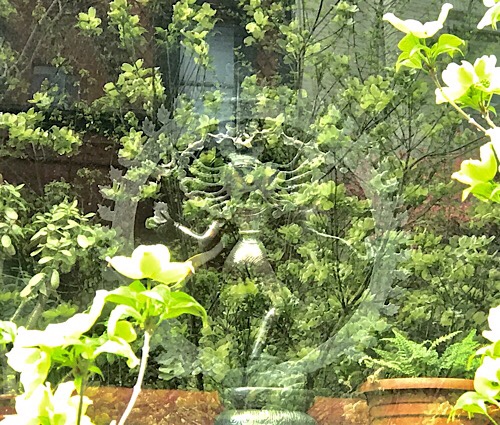
Today I joined others at Kingman Island to help with invasive plant removal. Licensed destruction can be very satisfying. It was a beautiful to be outside.

Peace and light, E — Posted with WordPress for BlackBerry.

Peace and light, E — Posted with WordPress for BlackBerry.
Dear Friends,
It has been a longer winter than usual for DC, but that will make spring even more special. This month is filled with opportunities to start to flower along with everything around us, including your own garden.
Tuesday night Wm Penn House classes are always available for all levels on a drop-in basis with special pricing for not-for-profit workers, students, seniors, and those between jobs. Drop-ins also welcome any time at Willow Street Yoga — level 2 at 8:30 am (great way to start your weekend) and gentle/therapeutics at noon every Saturday.
On Saturday, March 13th, on the eve of Daylight Savings time, come join yogins and gardeners alike at this year’s Yoga for Gardeners. 2:30 PM – 5:00 PM, Willow Street Yoga Center, Takoma Park, $40.00. Whether this is your first time taking the workshop or a repeat visit for the love of yoga and gardening, get ready to grow, align, cultivate, and rejuvenate mind, body, and spirit with joyous anticipation of spring and the coming gardening season! Suitable for novice and experienced yogis and gardeners alike, this workshop shows ways to align most optimally when digging into the dirt and also provide an opportunity for your true self to blossom. I will bel donating a portion of her profits to benefit the Youth Garden at the National Arboretum, so coming to the workshop will be yet another way to foster gardeners and gardens in the city. To register, please visit www.willowstreetyoga.com.
The third Saturday of the month wouldn’t be the same without the Serenity Saturday restorative workshop from 3-5 at Capitol Hill Yoga. This month will be extra special invitation to welcome the light on the Spring Equinox. For more information and to register, please visit www.capitolhillyoga.com.
Coming in April, along with the usual array, I’ll be teaching one of the special charity classes at Capitol Hill Yoga on Sunday, April 4th, from 3-4:30. Details to come.
Stay warm, enjoy the new budding of spring, and the last of the snow and winds of winter. Looking forward to seeing you soon.
Peace and light,
Elizabeth
This is an especially fine year for them. I was thinking about what it means to trust that winter will end and the trees will mostly bud , leaf, and fruit again starting in the Spring.