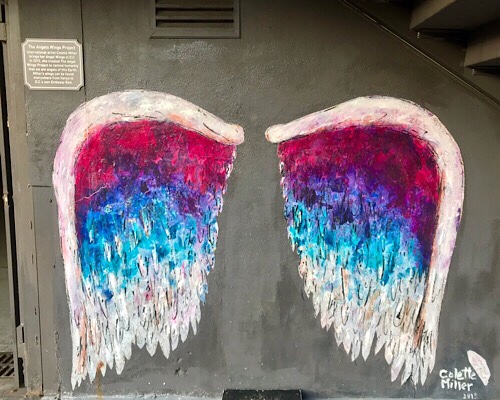
Angel Wings
Yesterday at the William Penn House class, we were emphasizing strong working of our tailbones. One of the regular students came to class even though she was still exhausted from recent and sudden major loss and upheaval in her life. She wanted to be with the spirit of the class even if she would not be able to do everything.
When we went to the wall to work on half and full arm balance, I advised her to give it a try if she felt up to it and then said to do legs up the wall if she knew trying to hold the arm balance would be too much. After all, I pointed out, legs up the wall (vipariti karani) is just half handstand upside down. And what is awesome about both the poses is that the both turn us upside down (albeit in energetically different ways) and can thus help give us a fresh perspective on how we are in our bodies and minds.
Sometimes, when I step back in awestruck wonder at the complexity of human society and what it means to be engaged in rulemaking in that complexity, I like to take a moment and look at pictures from India, a whole other version with much the same and much different.
I invite myself to think about being human in this time and place with this many billions of others. And then I return to my work, confident that my work is both absolutely essential and completely meaningless in the grand scheme of things. In other words, I try to do my best, but still keep in perspective stumbling blocks to completing some mission in the way first intended.
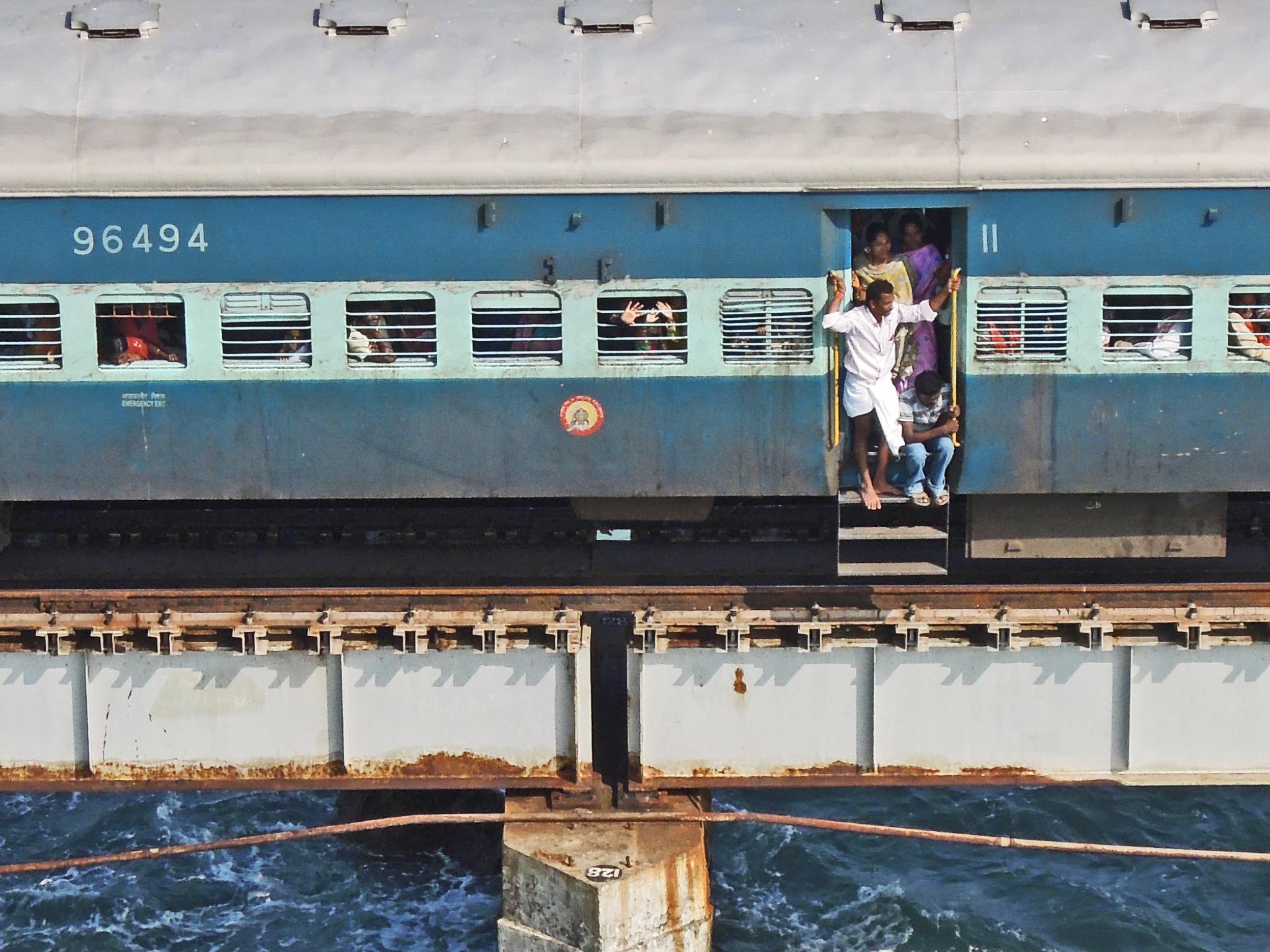 I took this photo when we stopped on the bridge to Rameshwarum. I doubt I have either the fervor or the fortitude to have gone without the safety and comfort cushion of the bus.
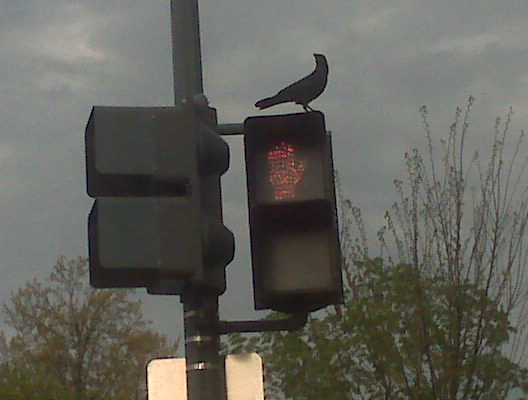
Crow gets on well with
Human, being by nature
Carrion eater.
Peace and light, E — Posted with WordPress for BlackBerry.
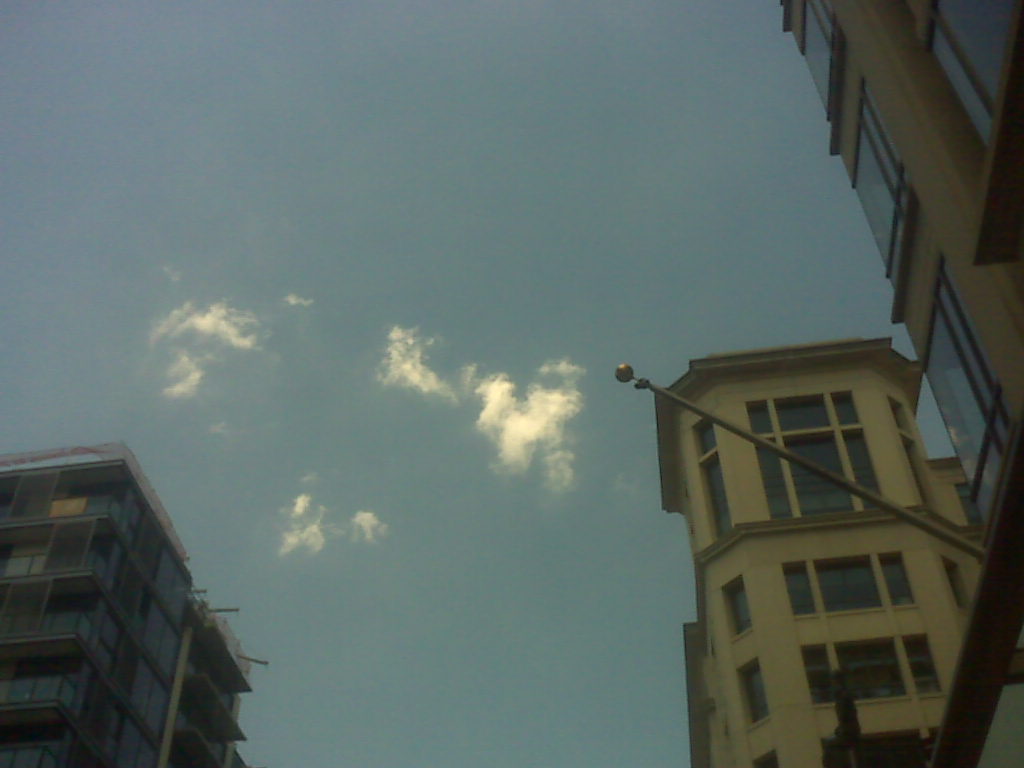
“Please wait just a moment,” I asked my friend as we were heading home after a morning at the museums and a delicious lunch out.
“What,” he asked, “another heart cloud?”
I did not need to answer; he could just look at where the camera was pointed.
Peace and light, E — Posted with WordPress for BlackBerry.
As I think about whether I will be able to get up to Willow Street to teach my last classes of the session, how much shoveling I will need to do , whether the next forecast storm (middle of next week) might create challenges for my planned trip to NY, etc, etc, my favorite (well, in the top 10) sutra of Patanjali, sprang to mind: heyam dukham anagatam, 2.16, which means roughly: the pain that has yet to come can be avoided.
I have several translations/commentaries of the Patanjali’s Yoga Sutras in my library. All have a different spin on what this means in practice. What I know is that it is at least partly about being in the present and taking things as they come. One should still practice and plan. By practicing and planning, we are better prepared for inevitable pains and challenges. (For those of you who are giddy with excitement with the thought of a “white Christmas,” this Sutra still helps. Part of the pain that can be avoided is disappointment when expectations are not realized the way we hoped they would be realized.) Once we have prepared in a healthy way, though, there is no point in agonizing about what might come, in being in pain in the present because of the possibility (or even inevitability) of a future pain.
The snow seems inevitable. I am charging my camera battery. I’m picking what is probably the last of the chard and the baby leeks from the garden, and I am getting ready for Serenity Saturday restoratives. As long as I can walk to the studio — eight inches is just plain fun, not impassable — I’ll be there with a warm and full offering. In the meantime, I am enjoying my day instead of worrying about the potential barriers to enjoyment.