Art and Culture | Community and Family | Food for the Mind (Yoga Philosophy, etc) | Meditation | Photos
Pujas Around Town
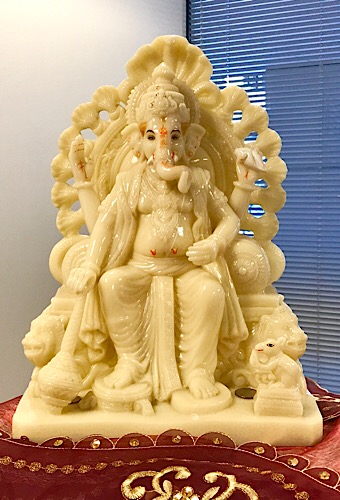
Desiree Rumbaugh, in the afternoon break-out session on hip openers yesterday, referenced the earlier teachings at the gathering on love, and said with a giggle that her class was “hip openers for peace.”
She shared a story of a teacher having his students create pictures representing peace. He picked two images that best depicted peace. The first was a serene picture of a mirror lake in the mountains (not unlike the tantric yoga principle of using our practice to find in ourselves the mirror of divine spirit). The second was of a barren and craggy landscape with a stormy sky. In a corner of the painting, though, was a nest with a small bird singing. Amidst challenge and chaos, one being living peacefully and joyously. This is why we do yoga, suggested Desiree, to find our own place of peace amidst whatever chaos is life. Noting how challenging hip openers can be for body and mind, especially if our bodies feel tight, she said that the practice can be like the second picture. We want to learn how to feel calm and centered even when we are deeply challenging ourselves on the mat, so we can tap into that place when life gets harder than we think we can bear.
The technology she offered for finding peace in hip openers was not tricks for stretching, but rather to strengthen the core muscles so that the outer hips and the hamstrings do not need to clench to protect themselves. When the core is powerful (as John Friend would say, “adamantine”) then the outside can soften and be open to what comes. This principle, in my experience and as given by my teachers, holds equally true for facing life and the most challenging of yoga poses.
Peace and light, E — Posted with WordPress for BlackBerry.
I may have a nagging cough from a cold that started over a week ago, and it might not have been the ideal of a walk in the woods with a beloved, but I had the best walkabout possible today. The air was mild, and the rain held off until mid-afternoon, leaving plenty of time to get out and appreciate the day. Enjoying that I did not need hat or gloves, I walked for a couple of hours around the neighborhood before I went to the Sunday jam to dance. I picked up a few things that I needed, said hi to neighbors who were also out walking, and looked at trees and clouds and invited myself to be filled with gratitude for what I have.
I was thinking about the exhortation to have the “best possible day.” Before I started my walk, I got an email from a friend about setting a date for lunch, and she said that she’d had the best holiday possible. I think it was in response to my wishing her such–the best holiday possible, that is.
I’ve long stopped exhorting people to have a happy holiday or a merry christmas because I have no idea what might be going on with them (or, I do have an idea). I have enough friends, neighbors, co-workers, and acquaintances who are facing serious challenges–illness, difficulties with work or difficulties getting work, kids stumbling to get through life, relationship complications, elder care navigations, loss of a loved one, or loneliness–that wishing a happy holiday might be kind of clueless. And then there is the state of society and the world.
Thus, I wish that we are able to recognize and experience what we have that is good (while working to make healthier and more life-enhancing choices/changes for the things that are not good that can be changed) and bring out the best in ourselves in navigating all of life–the best possible holiday, day, year, etc.
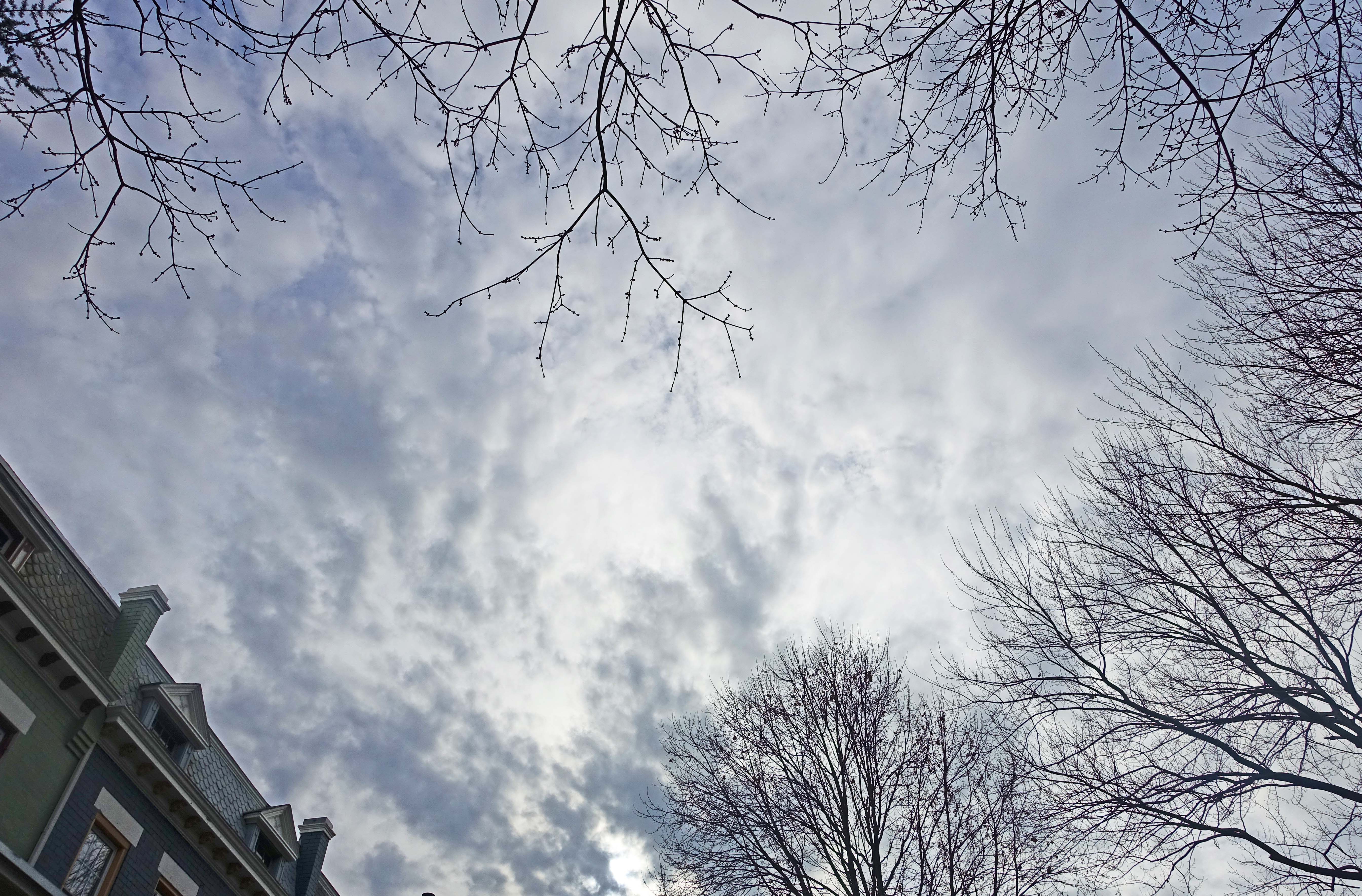
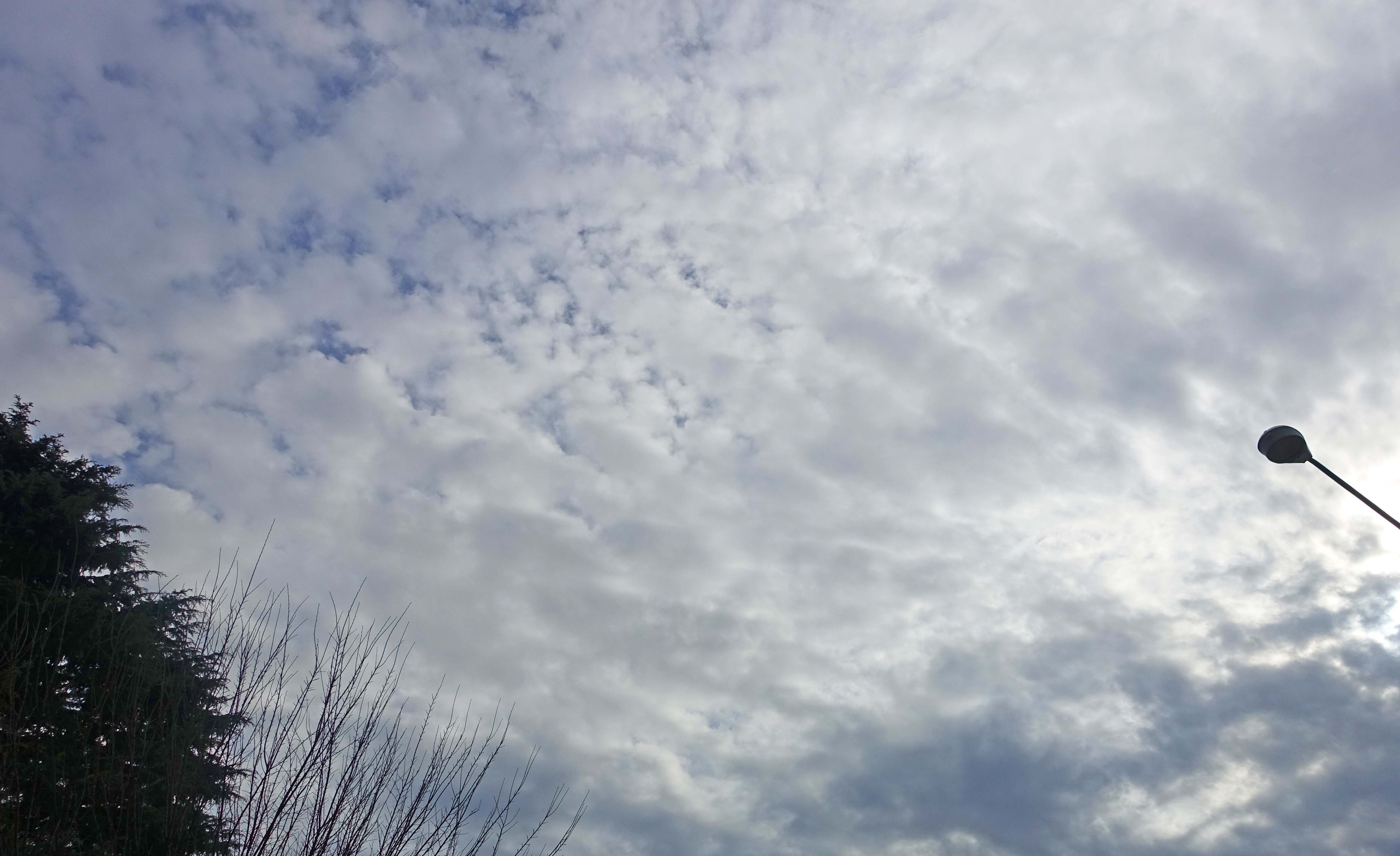
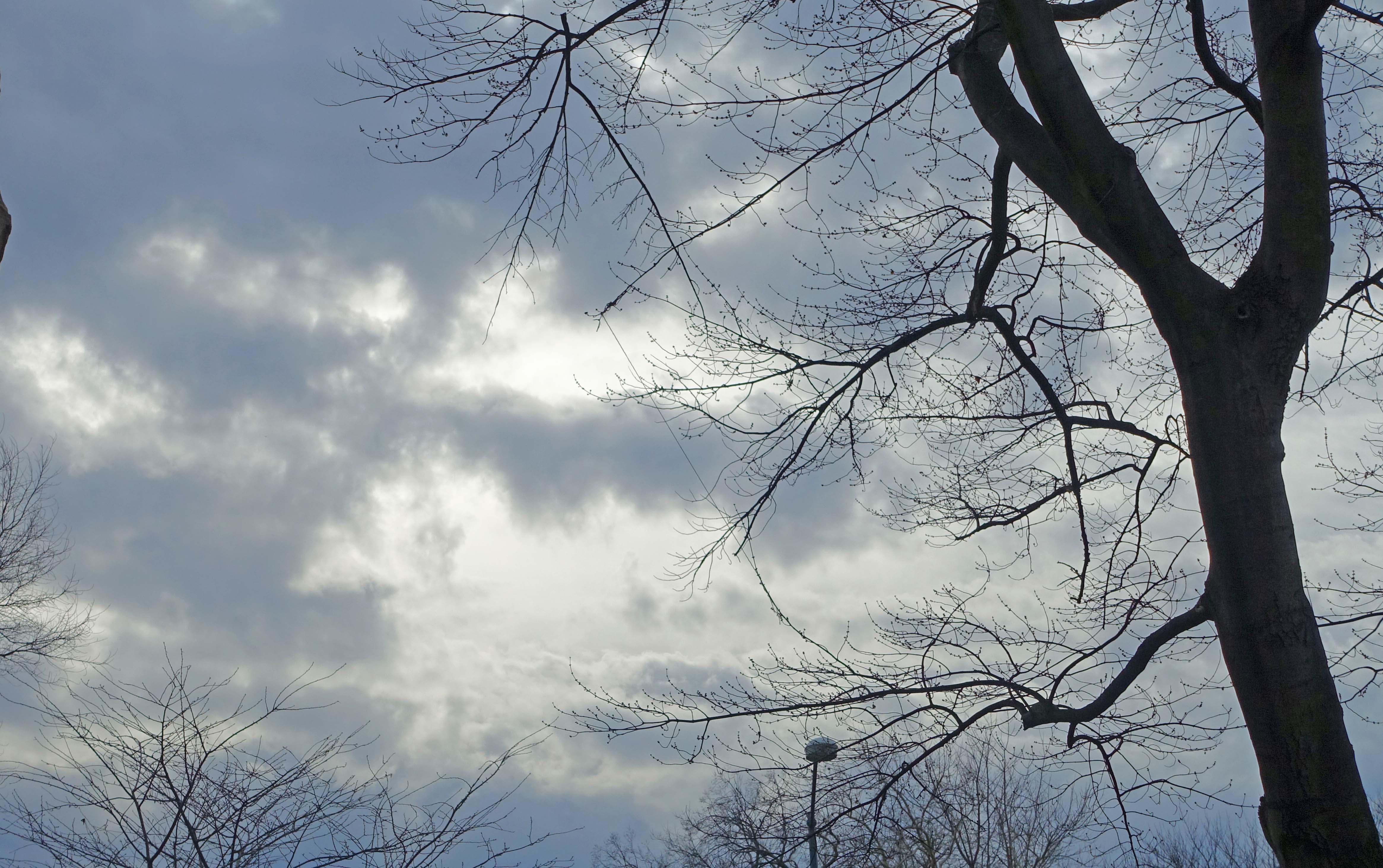
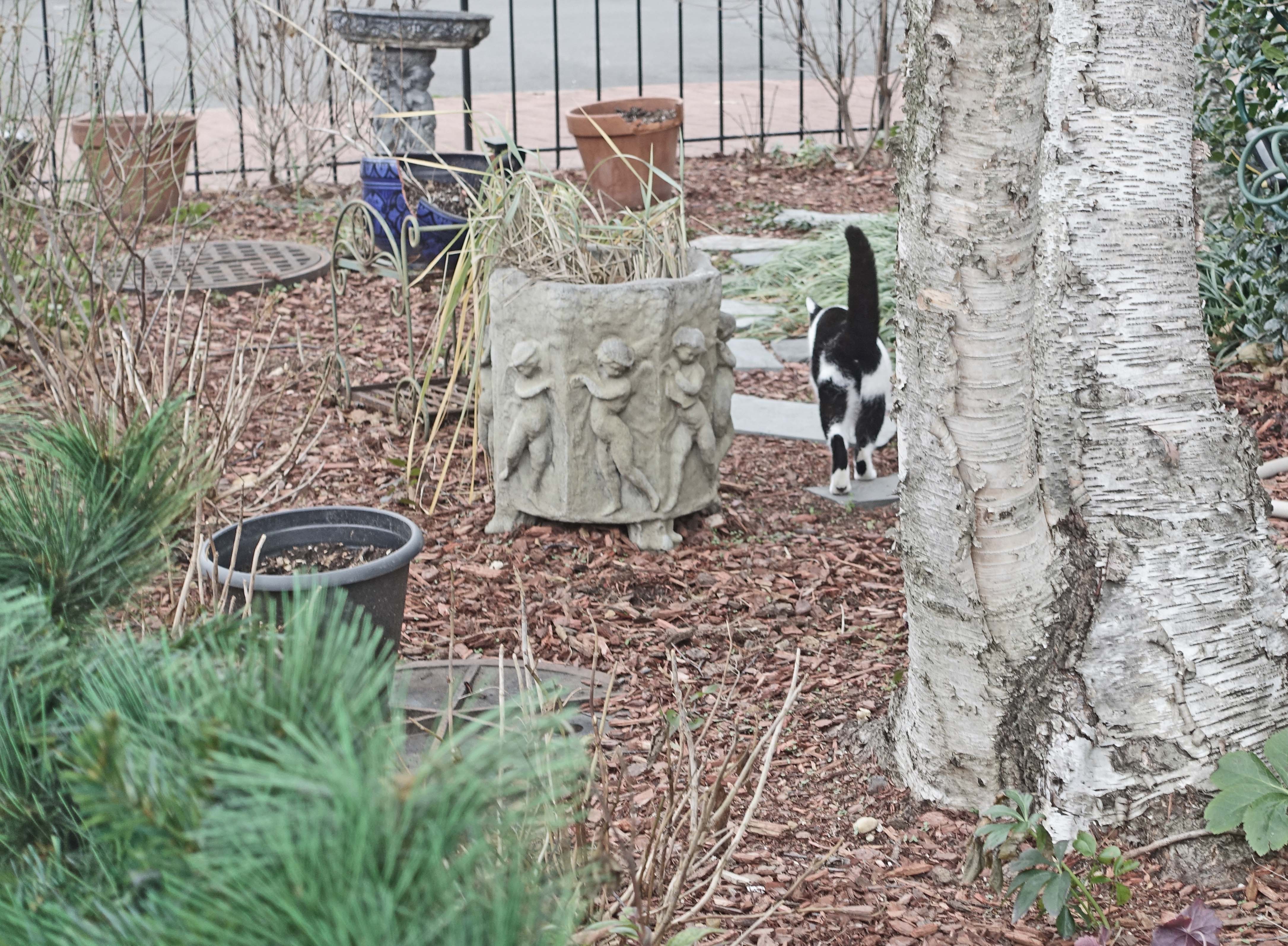

The grapes are not nearly as bountiful as last year. The first 90F week was too early and sudden, which blasted dozens of newly formed grapes. And then it was too wet and cool. The few figs dried before ripening. But it was a great spring for kale and chard, and the cherry tomatoes are pretty happy. That the weather makes some things happier and some less happy is a tangible reminder why mono-cultures are so risky a venture. One of the greatest gifts I get from the “failures” in my edible garden is gratitude. I am reminded of how fortunate I am that the only repercussions of something not growing or producing well is that I have to buy more produce at the farm market or the grocery store.
The rains and now the heat are wondrous lovely for the mosquitoes. Here’s me dressing for a morning’s work in the garden. You might laugh, but I only got two bites in over three hours in the garden, which included watering. It likely would have been at least a dozen in loose trousers or shorts and a t-shirt. This is also the outfit of choice when hiking in the woods filled with deer and mice and lyme-disease bearing ticks.


I picked the marigolds yesterday to put on the altar. The puja card of the day was “balance” or “samtulana.” It was a perfect concept to meditate on for the day because little brings me back into balance better than spending a few hours gardening, and I’ve been feeling off-kilter.

Uma, of course, was there to lend moral support.

The “before” picture gives some idea of how simultaneously overgrown from the rains and heat-blasted from the past week everything was.

The “after” picture doesn’t reflect as much as I would like how much of a difference three and a half hours of weeding, deadheading, clipping, rearranging, harvesting, feeding, and watering made. When I got hungry, I just picked sun-warmed, just ripened grapes and then got back to work. Lunch, of course, emphasized contributions from the garden.
Yesterday I wrote to my DC elected officials and to the budget office to let them know how important it is to me that local municipalities fully fund public transportation, as the budget year comes to a close. Metro officials are threatening to close down many bus lines entirely, which will mean that far too many people will be unable to get to work, especially for low-paying jobs. Hundreds of workers are scheduled to be laid off, which means (as an icy cold budgetary matter — the budget after all being a moral document) that they will need services and no longer will be paying taxes. Disrepair, injuries, and accidents will become even more prevalent, and service will be slowed at already overtaxed and overcrowded times. Our air quality will go from yellow/orange to orange/red from the increase in gridlocked traffic. I discussed the issue and the urgency of making our voices heard with several co-workers today.
I left the office at 5:40 pm this evening to go to take Suzie Hurley’s 6:15pm class at Willow Street, Takoma, Park. I was standing on a metro train at 5:46pm. The ride is supposed to take 13 minutes from Judiciary Square metro. We reached Takoma Park at 6:27pm. I went over to the studio when I arrived. If the door was open, I would have looked in and caught Suzie’s eye and quietly seen whether I could slip in. The door was closed, and I could hear that the class had already started doing standing poses. Under circumstances where being late is clearly not my fault (and I try to avoid those by being willing to be early if it turns out the travel has been optimally sequenced), I will join the class just after centering and before the asanas begin. As much as I would have liked to have taken a yoga class after the slow metro ride, I felt that I shouldn’t risk disturbing the other students by coming so late. I instead will be doing a long, deep, slow, inward-moving practice when I am finished writing, corresponding, getting ready for practice and sleep, and doing some preparations for tomorrow’s work day.
In my growing acceptance that I would be arriving too late to Takoma to take class, I thought about the email I had received earlier in the day about the Friends Committee on National Legislation’s “Our Nation’s Checkbook” campaign. The email reminded me that a third of my tax dollars are being spent on war. “What about investing in green jobs, preventing more home foreclosures, and funding diplomacy to prevent wars?” I was asked. “What about public transportation,” I thought, as I sat on the stationary train between stations. “How many trains could be operated efficiently and safely for each fighter aircraft?”
How do I want to live? What are my priorities? When does short-sightedness or immediate personal satisfaction impact my long-term health and happiness and peaceful co-existence on a crowded planet? For what purposes do I practice? How would I like to invite others to live?
The ride home, of course, had nary a problem. A train arrived in under five minutes. The ride back to Union Station was exactly 11 minutes. Everyone had a seat, and the car was nearly full, so it was at perfect capacity. It was still light, and lots of people were out because of the balmy night and the beauteous blossoms, and I felt safe strolling home instead of taking the bus. What a beautiful night!
We are composed of nothing different than earth, water, fire, air, and space, and much of yoga practice (as are related practices such as ayurveda) is designed to recognize and align our elemental identity. It is human nature to manufacture, just as it is the nature of a beaver to make a dam or a termite to make a mound of mud that displaces what was in its path. Why then is it so common to think of man-made as completely separate from “nature” rather than to recognize the wild and extraordinary creations of humans as an integral part of the complex fabric of being on this planet?
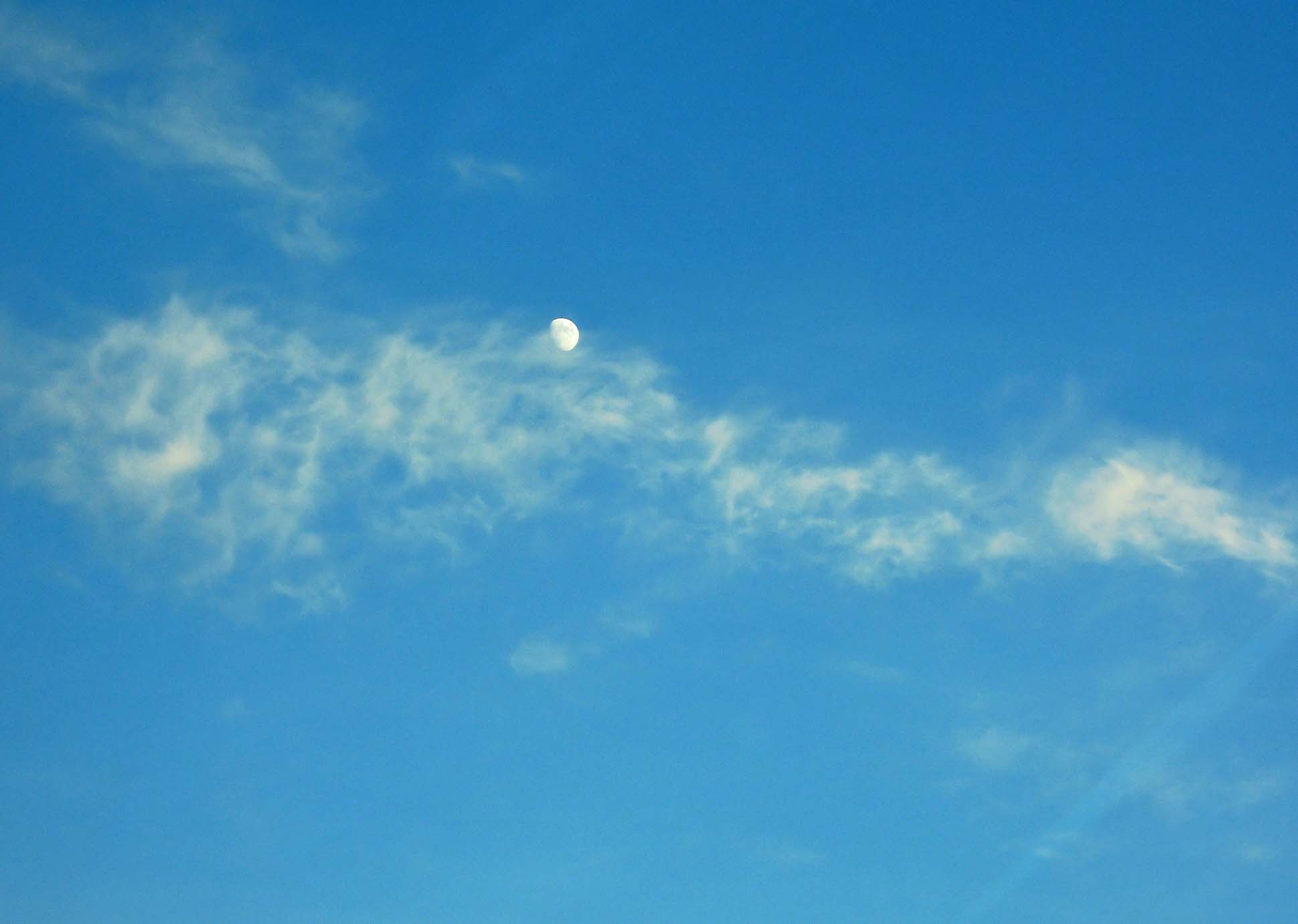
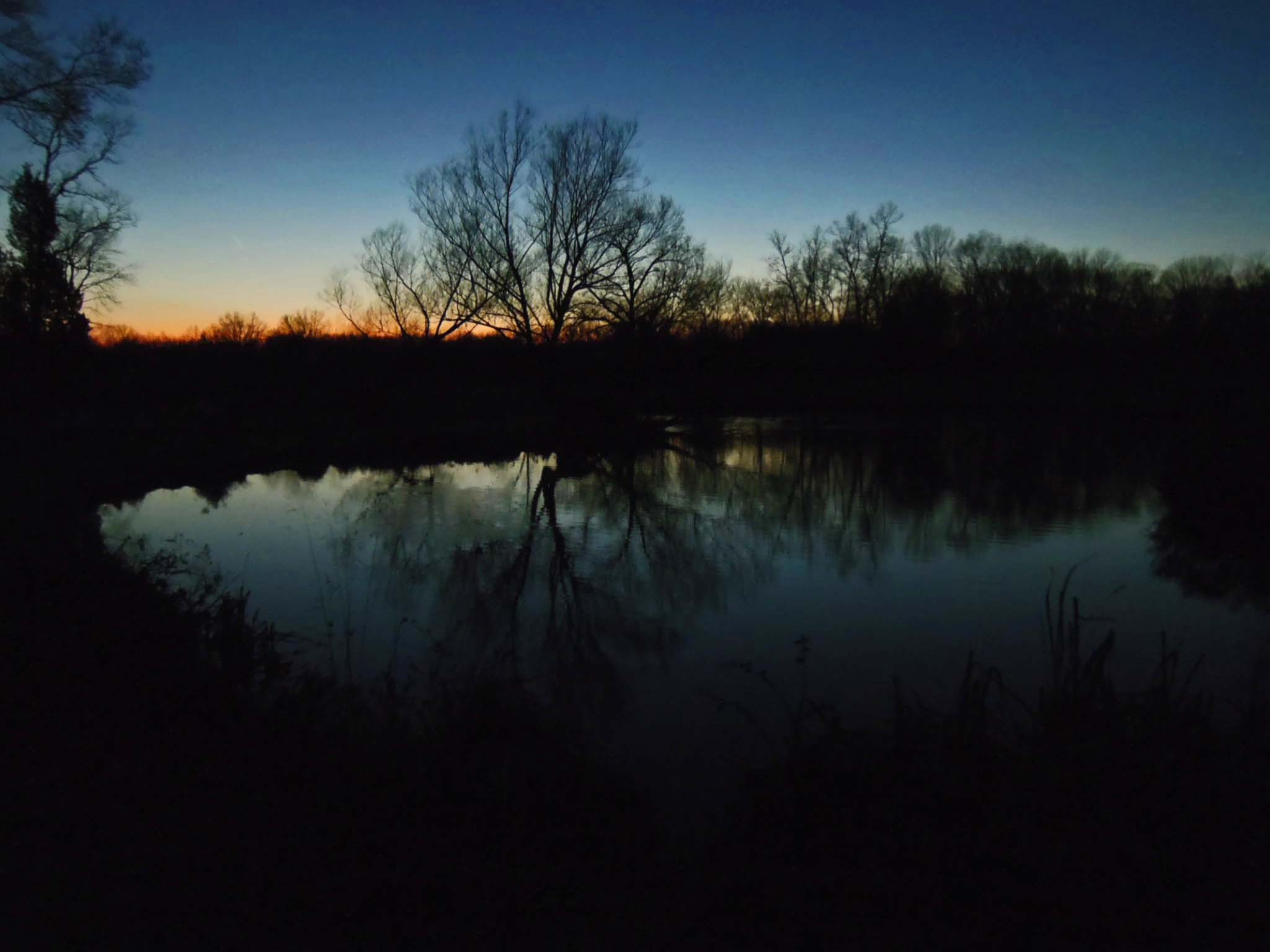
Photos taken on a Thanksgiving trip shared with friends and family: DC to NJ, Cape Cod, and back to NJ before heading home. Without the time on highway and train, I could not have seen so much “nature” in so short a time. Nor, might I add, would I have appreciated being out exposed to the wind and water without the shelter and protection of manufactured goods (including houses, cars, and clothing, etc). This does not mean, of course, that to live better, we should not seek to balance and diminish our consumption of resources for our protection and comfort.
