Art and Culture | Asana, Pranayama, and Yoga Practice | Food for the Mind (Yoga Philosophy, etc) | Meditation | Poetry
Found Exhortation
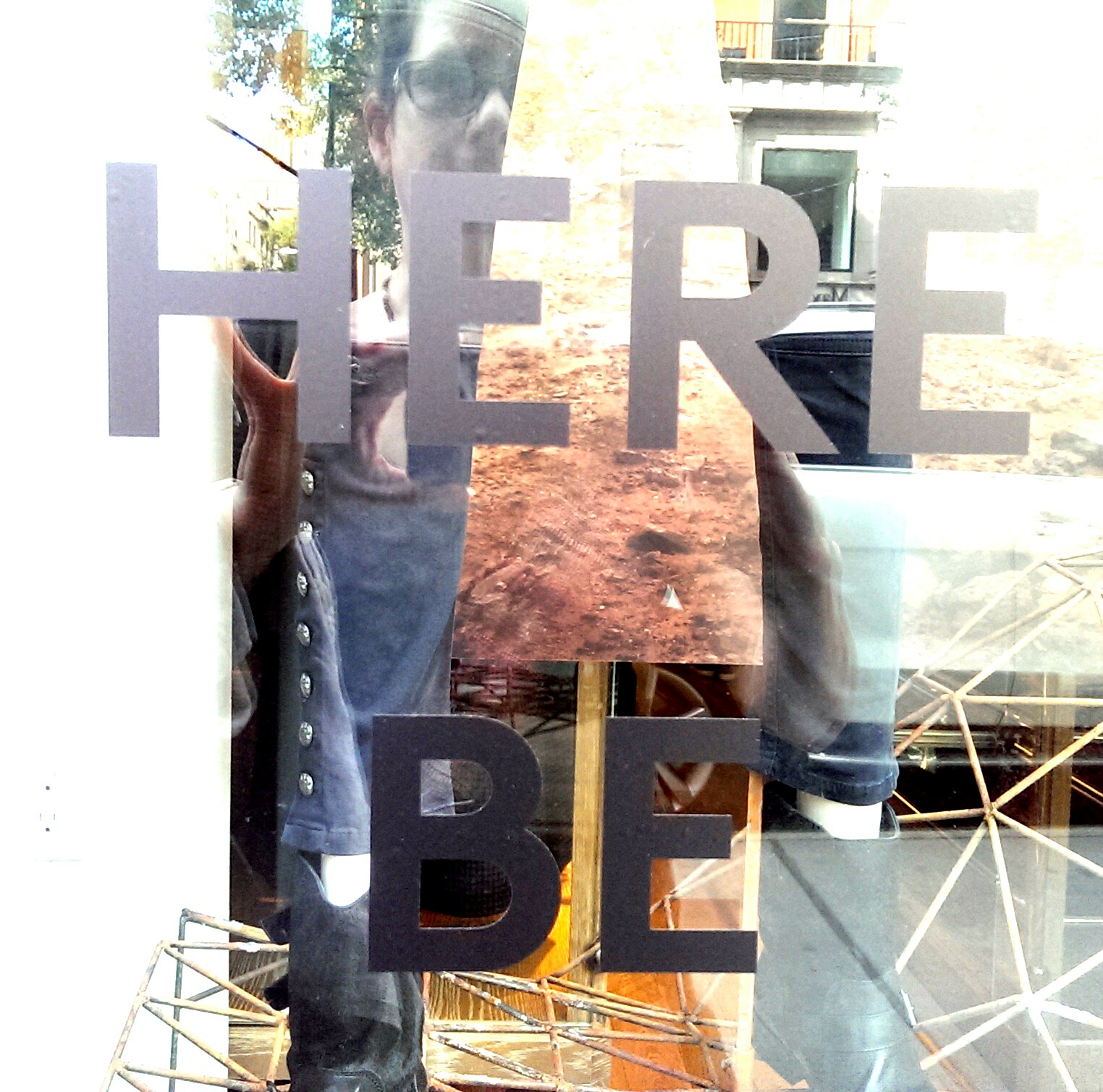
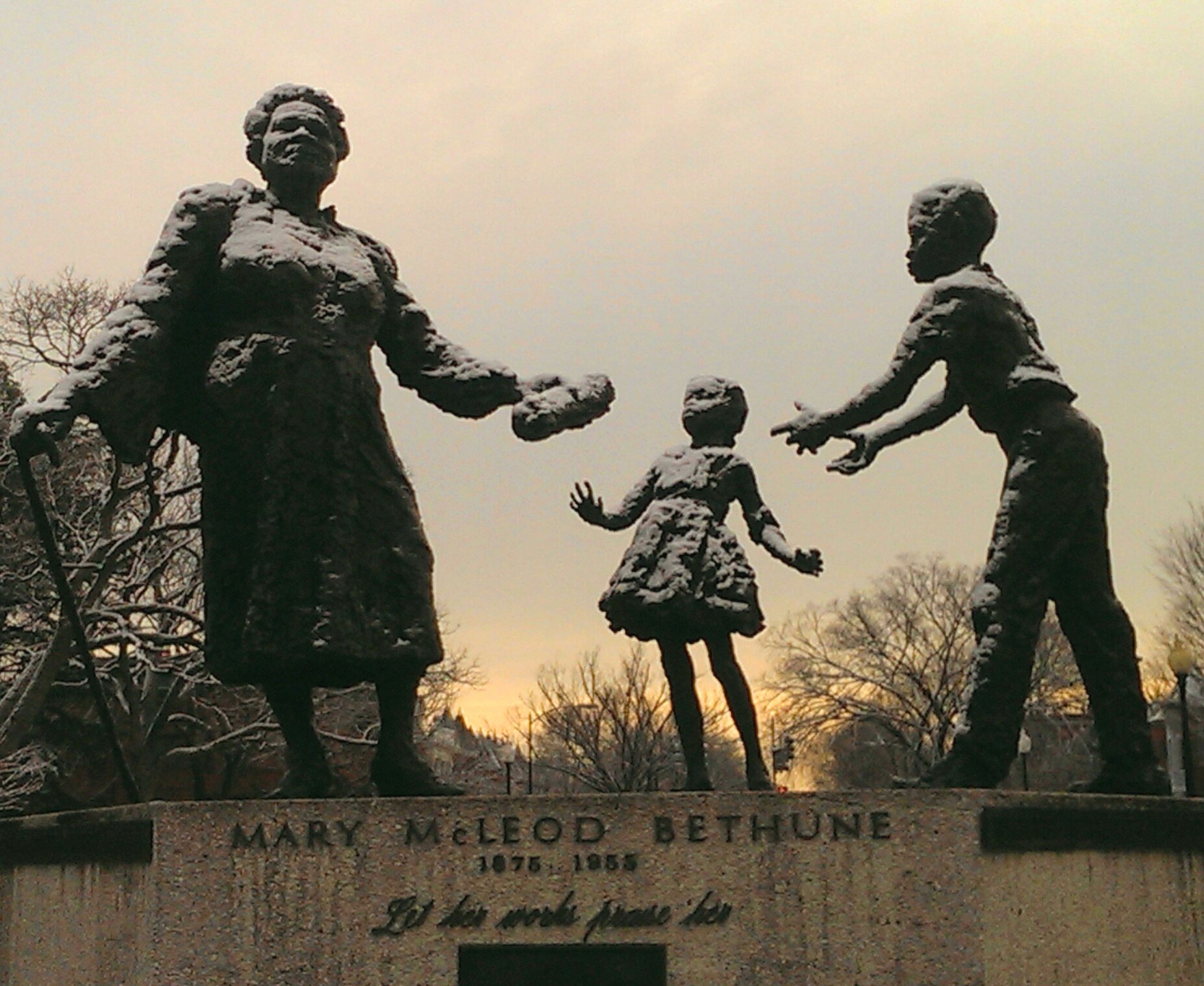
Around the base of this statue, it says this as one walks clockwise from the front right. And when done circumnavigating, and facing the same direction in the direction the statue of Mary McLeod Bethune, one can see down East Capitol Street to the Capitol Dome:
“I leave you love. I leave you hope. I leave you the challenge of developing confidence in one another. I leave you a thirst for education. I leave you a respect for the use of power. I leave you faith. I leave you racial dignity. I also leave you a desire to live harmoniously with your fellow man. I leave you finally a responsibility to our young people.”
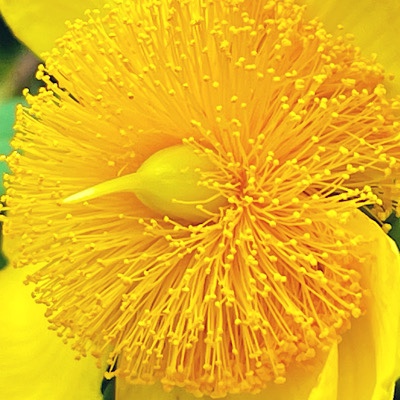
Is it any wonder, yellow sings of cheer and abundance?
Paul Muller-Ortega, who teaches philosophy and meditation from similar roots to those that inform Anusara yoga, spoke yesterday of the differences between the path of the renunciate and the path of the householder. He strongly stated that neither path was better. What he suggested, though, was that a householder will better flourish practicing yoga designed for the householder rather than attempting to practice renunciate techniques, while still staying in the householder path.
What does this mean? I think it means that we become unhappy and conflicted if we try attempt the practices of the path of complete non-attachment and transcendence of body and mind while we are still very much staying in society and responsible for family, work, and citizenship. The tantric, householder path, including that of the Shaivite tradition of Kashmir and Abhinavagupta, offers practices that enable one to live liberated in society, instead of suggesting that the only way to true liberation is to reject and transcend work, family, and community. In yoga terms, the householder path is one that realizes moksha (liberation), through ardha (physical and material well-being), kama (love/relationship), and dharma (right work/path) rather than by transcending them.
Taking the householder path does not mean just indulging. It still requires sensitivity, dedication, discrimination, and alignment. I think it may be even harder than renunciation. I know it is easier for me to just stay alone and practice, for example, than to bring yoga off my mat to how I work, consume, relate to others, and participate in society. The householder path, though, is the one for me.