Found Objects Around Town
I took a Zoom asana class this morning, because I like to see how others are leading practices these days. It was a sweet and gentle class. At the beginning, the person leading acknowledged that it was Valentines Day, and then said instead of talking about love, let’s talk about suffering. It was suggested that the attention we bring through the yoga practices to our suffering, can help us ease it. That would be an act of love, wouldn’t you agree?
Towards the end of a yoga session I start thinking about what would be a good theme for the next. I start by observing what is going on in the world — from the change of seasons, to whether it is rainy or drought, to what is going on in the political climate, noticing what is recurring in my own practice and the practices of my students, watching what is arising in my contemplations and meditations, and seeing what is resonating most in what I am learning from my own teachers. I will go into my library, reading and rereading things to see what resonates with what I am observing and experiencing. I also take into account the length of the session to be sure that it will fit well within the number of classes. Once I have set the session theme, I spend the week in which I will teach a particular principle, contemplating it, reading about it, practicing with it, and thinking about its relationship to my life off of the mat.
When I selected the tattvas this session it was for a whole array of reasons (some of which have been set out in previous posts). The order I picked to teach them, and which I chose to emphasize, were for what I thought would be the best way to share knowledge and experience and not for the outside calendar. It was then, by sheer serendipity that the themes fit as they did with the calendar:
Now this week, the last week of the session, parama shiva — the highest tattva. Shiva tattva is the most subjective principle and the most universal. It represents the essence of being (sat), consciousness (cit), and bliss (ananda). It is everywhere and nowhere, in all beings and not. It is whatever ever we think of as spirit or force or web of being or light or pulsation or divine — whatever we believe is the very essence of being. It is most interesting that by my series of contemplations and choices over the winter holidays, that I gave myself the homework assignment, as it were, to be specifically contemplating, practicing with, and studying the shiva tattva as I offer peace to Becky as she departs and seek my own peace in my grief over the loss of her physical presence.
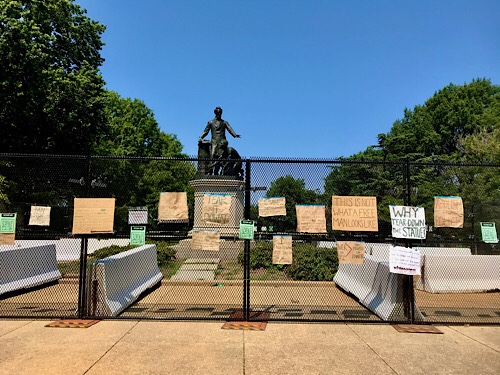
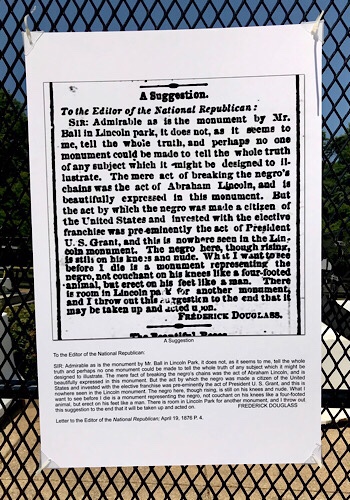
To what and to whom shall we offer our reverence and create our social altars? How do those choices define us and others?
Last weekend I devoted most of my time to live-streaming the “Accessible Yoga Conference.” This conference, consistent with other workshops on this and related topics involved listening to many personal stories and careful examination of language—what language perpetuates harm and which fosters inclusion, recognition, nonjudgment, etc.
The fact that “accessible yoga” is a thing was observed to be evidence that for all that the yoga philosophy invites recognition and honor of the spirit in all, what is considered “yoga” in the “West”is another microcosm of cis, het, racist, patriarchal, colonialist capitalism.