Art and Culture | Asana, Pranayama, and Yoga Practice | Community and Family | Food for the Mind (Yoga Philosophy, etc) | Meditation
On the Way Home from Tuesday Night Yoga Practice at William Penn House

I was at a business meeting yesterday that started with people introducing themselves around the table. The participants were all either members or staff of a prominent lobbying group or government officials. One of the men said that he was now a consultant. “I used to be general counsel of [lobbying group], and now that I am consulting,” he said, “I have my life back.” The introductions continued around the table. The new general counsel, when he introduced himself, claimed, “it’s my life he has taken to get his back.”
I found this all interesting in light of my blog yesterday. These men are very successful. They both are married with families. They seem to be pleasant and smart. Their definition of “not having a life” was not having failed to be fully engaged in doing what society expects them to do — they have clearly done very well indeed — but not having time to play golf or hang out in addition to being “successful.”
Is the difference between being male and female? Or were the two different contexts of the same social, linguistic tic just exemplifying a the view point of a superabundant and privileged class that we are not living fully unless we do and have everything the collective society admires and we simultaneously feel like we have lots of leisure time to enjoy as we see fit? It’s a hopelessly unrealistic standard.
Every moment we breathe and our heart beats, we are living. One of the keys to tantric yoga is to come to a place where we are living fully and abundantly whatever we are doing, whether it is working or playing, being challenged or relaxing. When we can do that, we realize we “have a life” and one worth living, no matter where we are in our journey.

Peace and light, E — Posted with WordPress for BlackBerry.
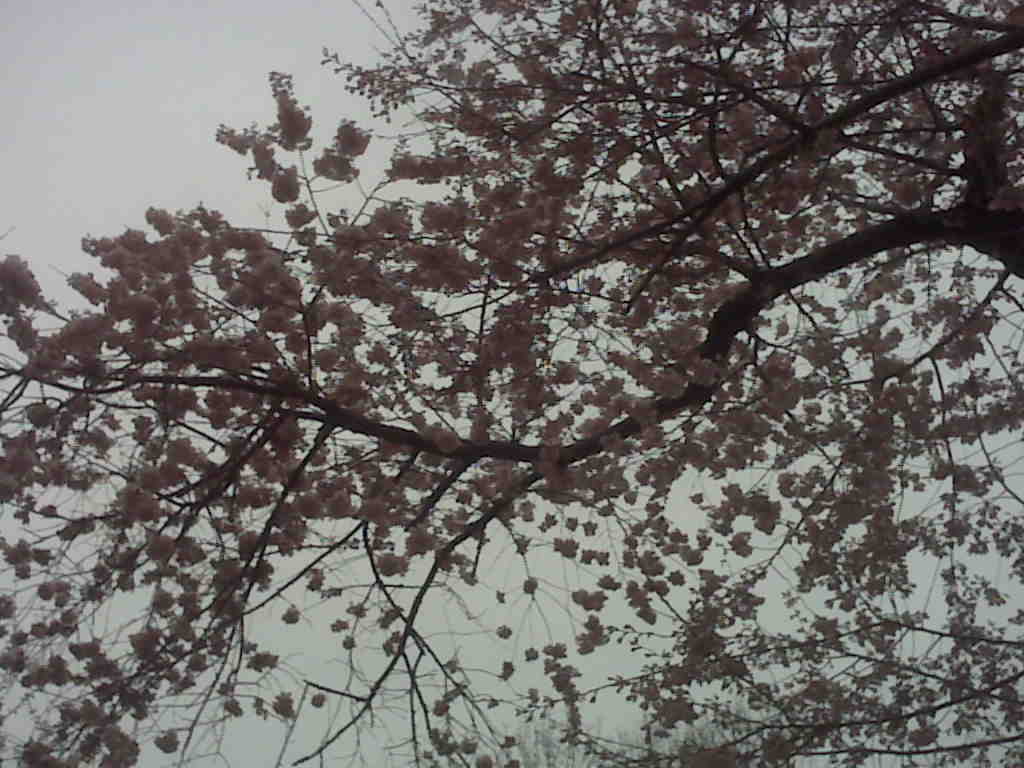
When I was walking home in the gray chilly day, astonished and awed by the beauty and effulgence of the cherry blossoms as if experiencing them for the first time though I have been witnessing them blossom here for over 25 years, I thought about the principle of abhuta.
Abhuta, which means wonder, is one of my favorite sanskrit words. It is one of the important aspects of the Anusara alignment principle of “opening to grace.” When we approach things freshly and with wonder, then we will not only experience more delight in our daily lives, but we will be more open to learning something new from what we experience over and over again, both on and off of our mat.
Peace and light, E — Posted with WordPress for BlackBerry.

Peace and light, E — Posted with WordPress for BlackBerry.