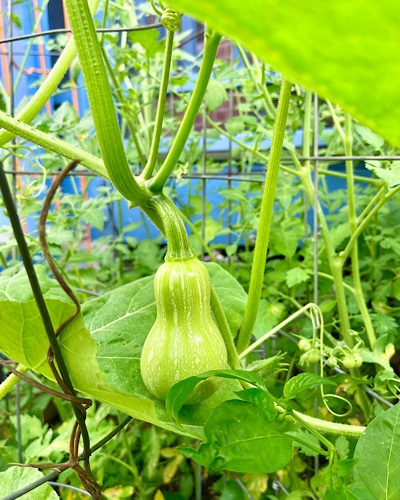
State of the Garden
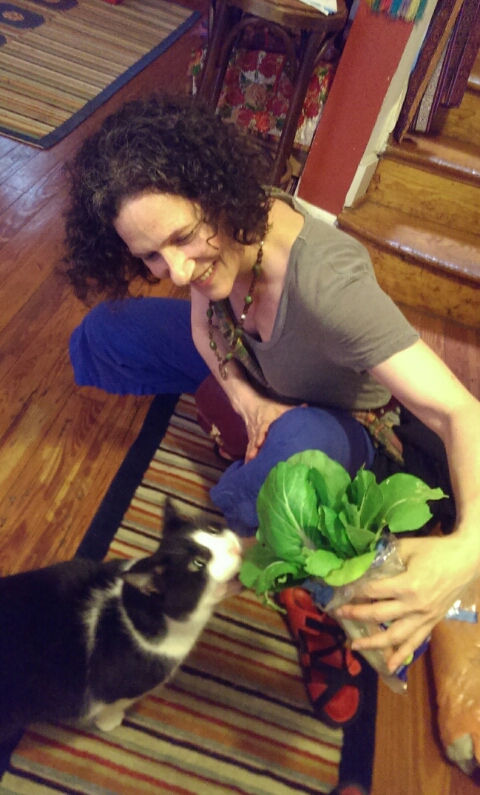
Uma was indifferent to it, but my friend H thought the tat soi I’d picked within the half hour was better than catnip.
Thanks to the generous Cate Stillman for this podcast. What I like most about Cate’s perspective is her teaching that truly practicing Ayurveda is paying attention at the deepest level, including paying attention to what in the classic teaching of Ayurveda work for you and what do not–being that they are imbued with cultural elements of the Indian subcontinent that do not necessarily support or resonate with our culture or individual constitutions.
As I study more, I find that it turns out that I had been practicing Ayurveda already by keeping to a regular daily and weekly routine, eating seasonally and locally, eating with sensitivity to impact on my digestion and energy level, and by having a steady practice. Not being interested in detox (more some other time on the dangers of detox) or constitution types, or arcane herbal remedies (many of these, by the way, are becoming endangered species), it turns out, does not mean having rejected Ayurveda. I do know that whether I call it Ayurveda or just plain common sense, the more I live in a balanced, sensitive, and steady way in terms of diet, sleep, entertainment, work, and consumption in general, the more I optimize my health and sense of well-being.
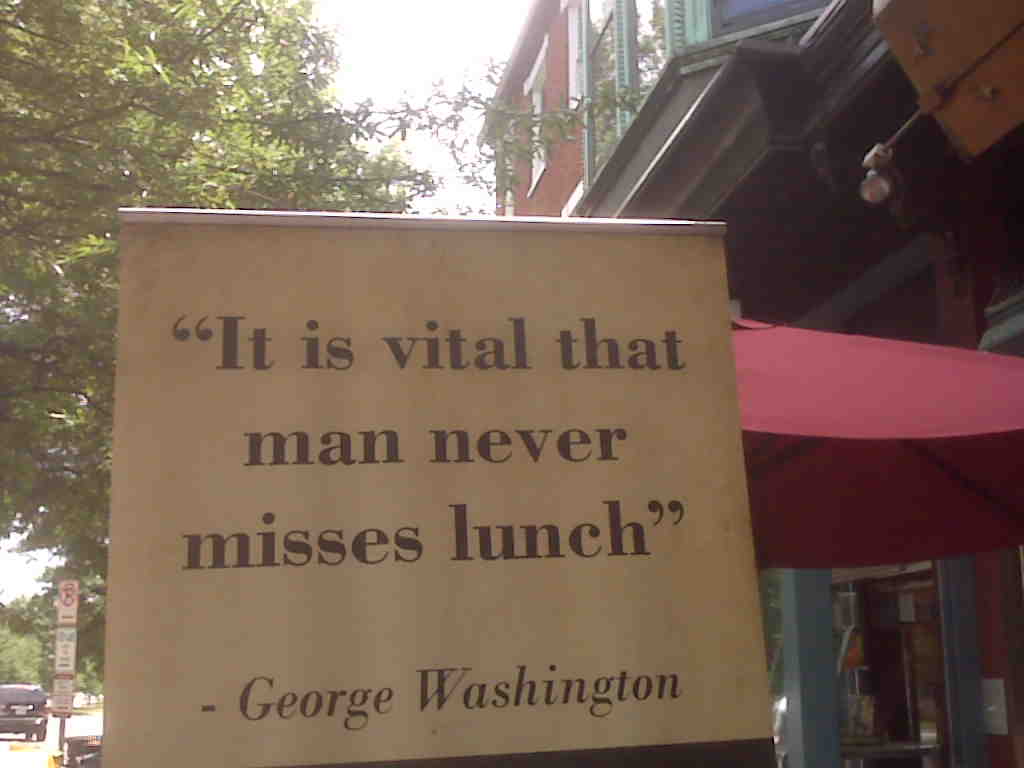
Imagine what our world would be like if we based our societal structures on the premise that every being should never have to miss lunch.
Peace and light, E — Posted with WordPress for BlackBerry.
First too hot, now cool.
It wasn’t until the weather cooled and the reality of a second week of work not being done that needs to be done to meet deadlines that the impulse arose to make the first batch of homemade granola of the season. This batch could be called maple nut granola with raisins.
Harvested last of the sweet banana peppers and a fire engine red cayenne pepper. Also picked as a baby one last eggplant before pulling the plant to make way for tat soi.
Most of the tomatoes I found on the ground still unripe. With a generous portion of red wine and nice herbs, and the traditional way of cooking them for hours and then running through a food mill, and then reducing until reaching the desired thickness, it won’t matter that the tomatoes ripened on the counter.
Assorted apples from the farmer’s market. Dried fruit is different when it goes into the dehydrator within a couple of days of having been picked and early in the season when the apples are best. An upside of being required to stay around home is that I have been able to experiment with the dehydrator that was a most generous birthday gift.
There’s a bunch of difficult stuff going on, but there is no need to write about it anywhere except possibly in my journal, for much of it. And as for the shutdown and its impact on real people around the globe (and all that interconnectedness stuff), I prefer today to write about granola and stuff from the garden.
Anyway, I’m thinking I would just be preaching to the choir if I wrote another blog post about the importance of trying to keep up and understand as much as possible, speaking with others to shape your understanding and your voice, being in contact with your elected officials and signing petitions, and reaching out to friends and family open to such discussions to invite them to be engaged.
It is times like these when I think of Patanjali’s sutra: heyam duhkham anagatam (the pain that has yet to come can be avoided.) I have contemplated this sutra much over a long period. It is a good one for when I am reaching into the yoga teachings for insight into how I might respond more optimally under the circumstances at hand, especially that which is entirely out of my control.



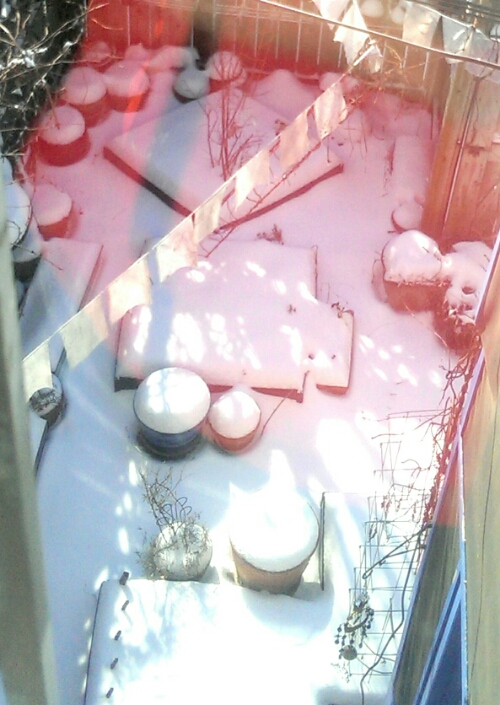
More ice in the forecast. Will cross post here and on the Rose Garden Yoga Facebook page, if it is too slippery for a safe walk to practice.
Spring is coming. The cherries in Stanton Park are beginning to swell with the promise of buds.