Similar Posts
Furlough Walkabout
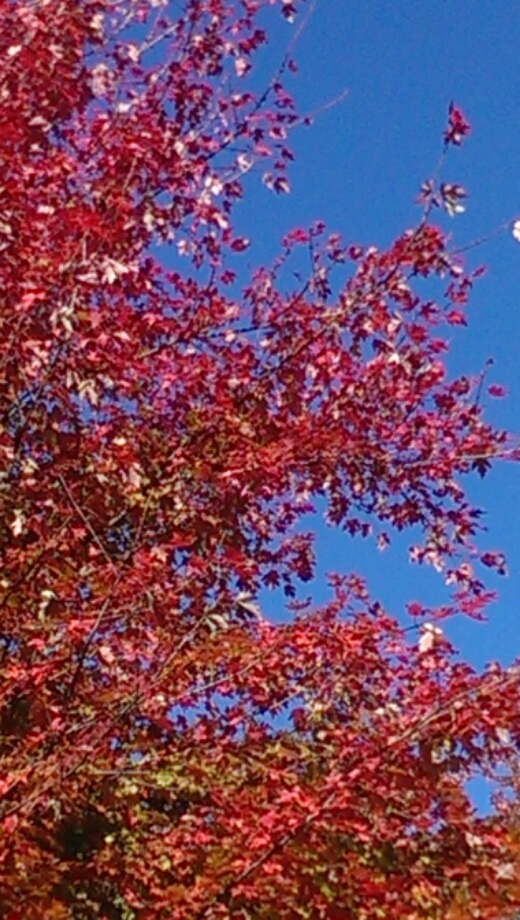
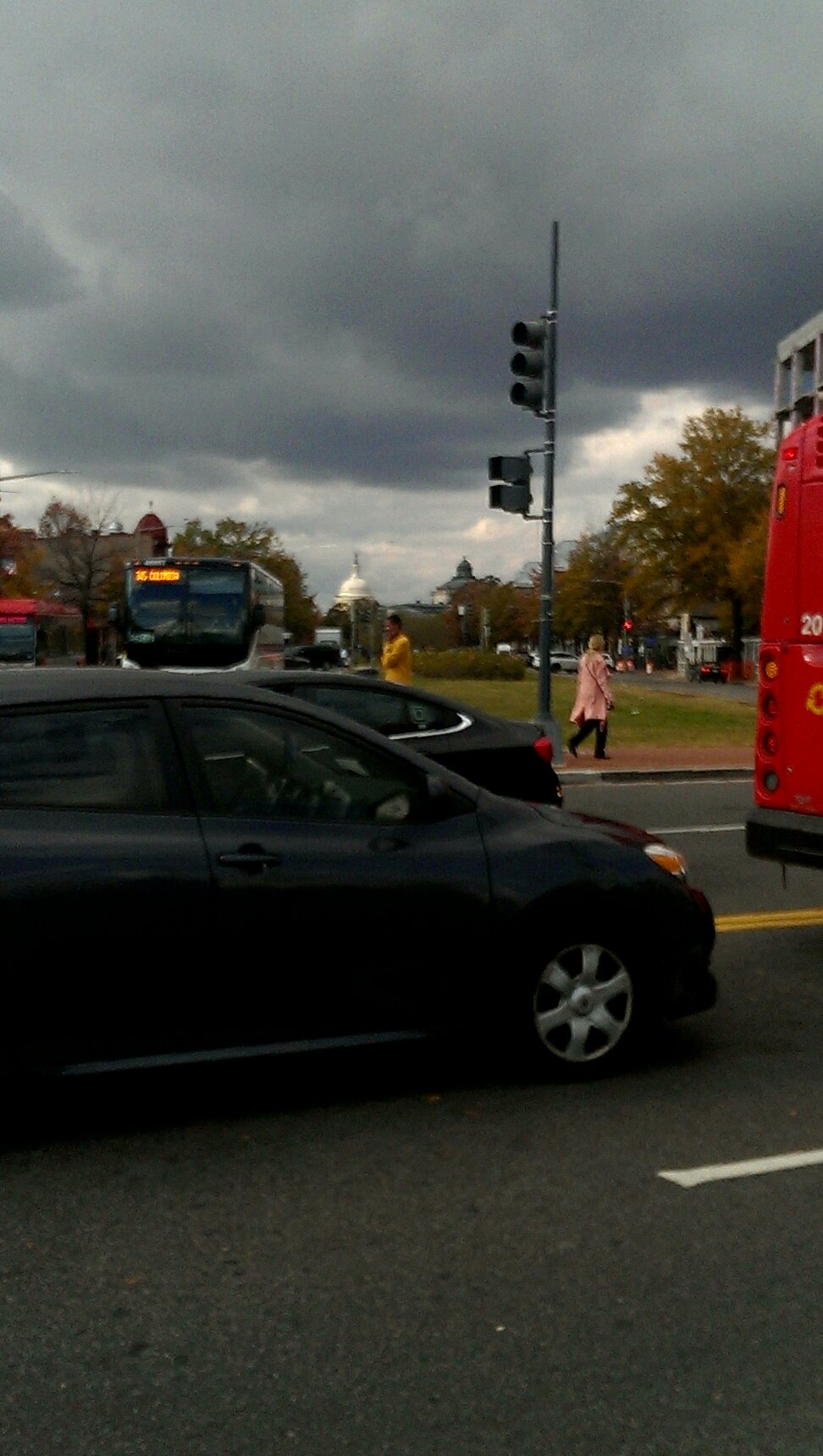
I went down by the river and around through the neighborhood. Toward the end, I met some crows. They are watchful beings.

- Art and Culture | Asana, Pranayama, and Yoga Practice | Community and Family | Food for the Mind (Yoga Philosophy, etc) | Meditation | Photos
“I See It Every Morning” (and Jnanam Bandaha) (DWTD)
When I walked out of the back of the hotel through the pool area just after day break, one of the pool side assistants was out getting things ready for the guests. “Windy,” he said, as I was wrapping and knotting my meditation shawl around my neck into the face of a strong breeze coming from offshore. “But look,” I replied, pointing to the sun rising over the ocean, “it’s so beautiful!”
“I see it every morning,” he answered, partly with a shrug of weariness and partly with a grin of delight. I guessed he was in his mid 50s–hard for me to tell, his skin was so leathery from the sun. Probably an old stoner surfer was my thought, and the shrug of resignation was for the fact that taking care of the lounge chairs and umbrellas for endless legions of tourists was what he needed to do to eat and still be with his dearest love–the sea and the sun. The smile was for the sun and the sea itself and to be able to share their beauty once again with someone who is seeing them with fresh delight.
During the course this week of study, we spent time discussing the Shiva Sutras. The second sutra–jnanam bandahah–literally means “knowledge is bondage.”
“Why do we automatically assume bondage is a negative?” John asked us at one point. Any time we make a choice, we are to some extent binding ourselves because we are, by making a choice and being limited by space and time as we are in this human form, forgoing other possibilities.
The Sutras also say that knowledge is freedom. Though the sanskrit words are different for the knowledge that binds (limited knowledge) and knowledge that leads us to freedom (highest knowledge or knowledge of the divine), using logic equations, one could say that if knowledge is bondage and knowledge is freedom, then at some level, bondage, too, is freedom.
If the pool side attendant regards himself as being utterly beaten down by his job, feels stuck with drudgery because he had nothing else he could do to survive, and then forgets about the beauty surrounding him, that would be an example of knowledge constricting or limiting us, putting us into bondage that takes us away from spirit.
If, on the other hand, he looks at the ocean each morning with joy in his heart and recognizes that he chose his job to be able to be with the ocean and sun every day, that would be knowing that bondage can actually free us (in our limited form) to dwell in and from the heart.
What the tantric yoga and meditation practices that come out of such teachings as the Shiva Sutras are designed to do, is to help us find the freedom in our limitations, to make choices in our associations and actions — our bindings — that lead us to love and wonder rather than disappointment and fear.
What do you choose?
State of the Garden (First Weekend After the Fall Equinox)
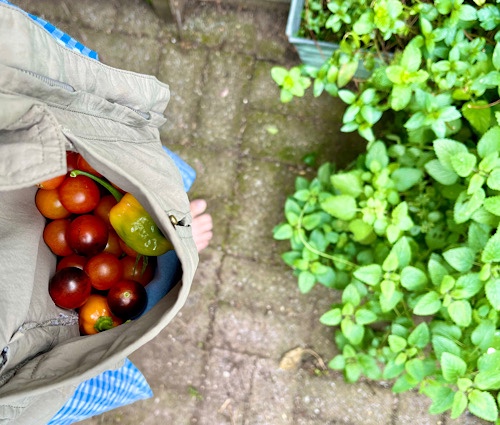
I pulled no longer productive summer plants and planted lettuce, spinach, chard, and arugula. The birds have been eating my seeds, so I got seedlings at Eastern Market yesterday morning. I have planted some more seeds, but wanted back up. The grape tomato is still prolific, alone among the tomatoes. The cucumbers are completely past, making room for chard and turnips. It is time to make the last batches of pesto with the basil and parsley. Another blossom has come and not quite gone on the night-blooming cereus.