Month: February 2012

  • | | |

    In Which My Camera Sees the Good

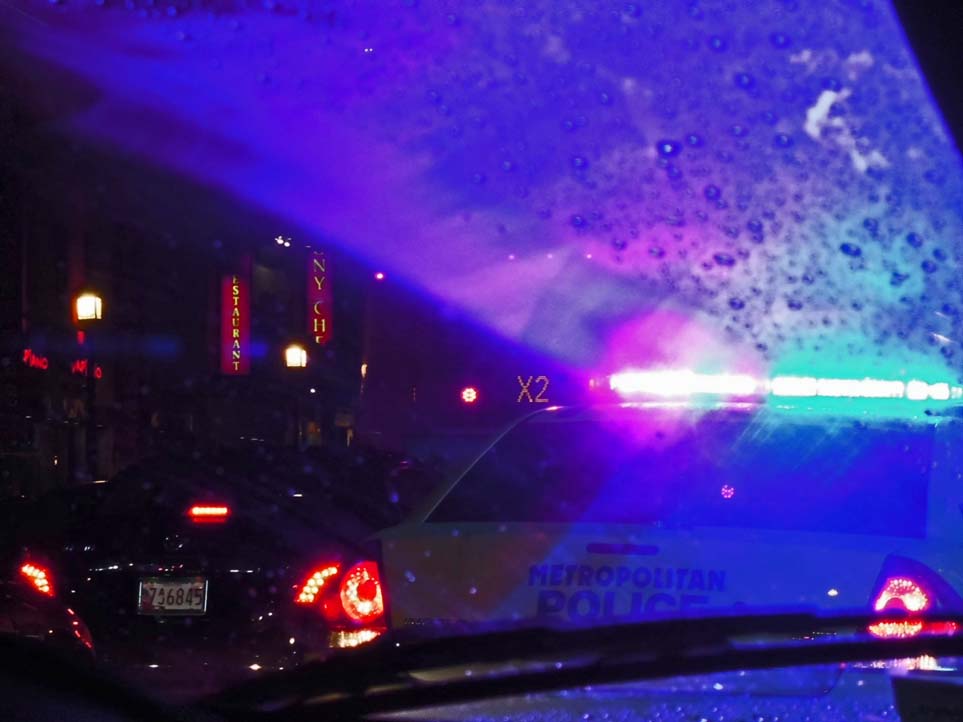
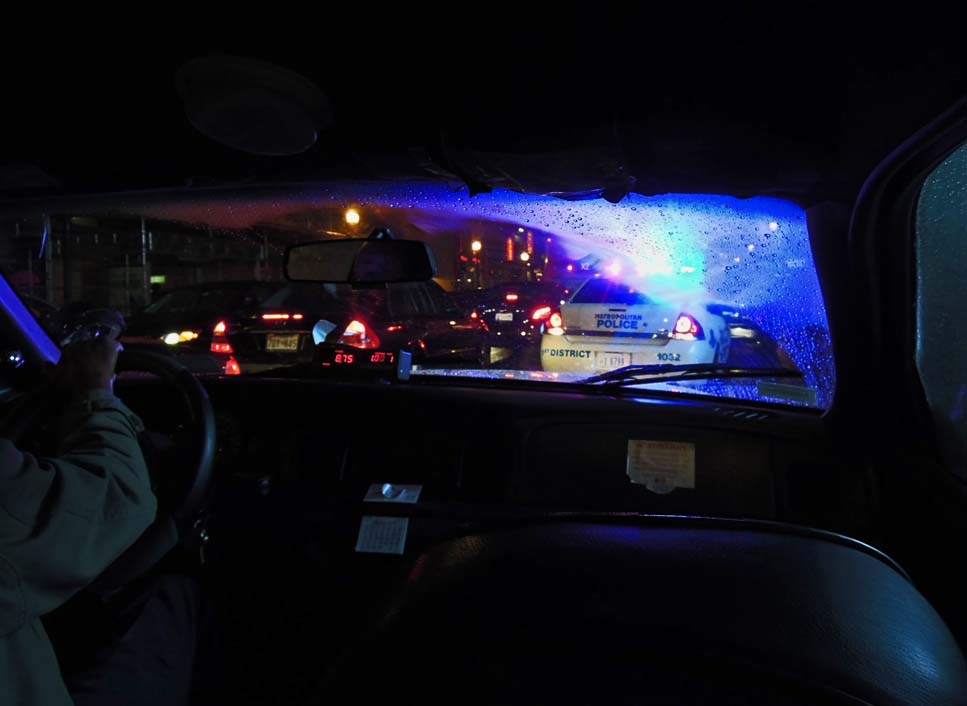
    It was one of those days when it was hard to get home.  I’d gone to the museum to see the Harry Callahan at 100 and then went out for tea in Georgetown with a friend.  I stopped on my way home for some groceries.  I got to the bus stop just as a bus was arriving, but with a big suburban SUV hogging the bus stop and the dark rainy night, the driver sailed past without stopping.  He must have been really late and was taking advantage of a short break in traffic.  I caught a taxi rather than wait in the cold rain for the next bus.

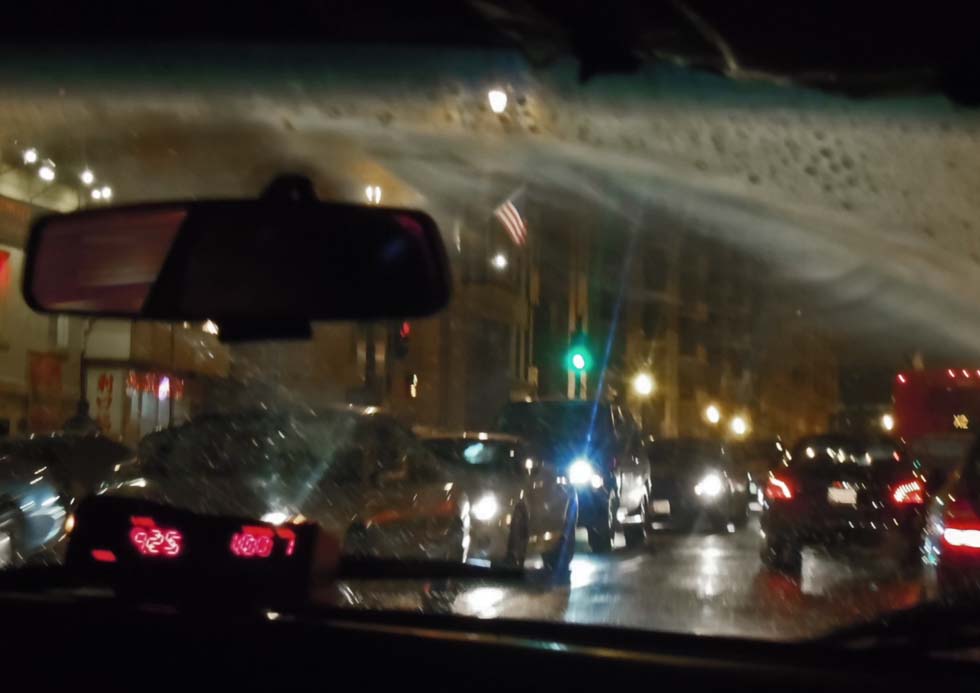
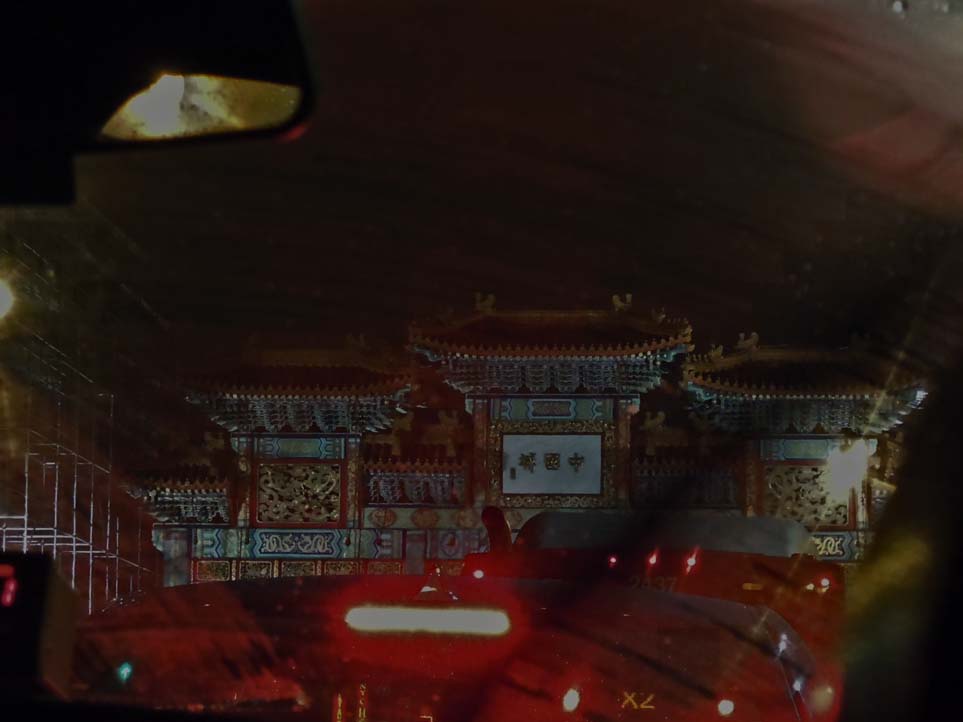
    Traffic was completely still on K Street because of the police trying to clear out Occupy DC from McPherson Square and a number of streets were closed off to traffic, so the driver went to H Street, which was almost equally congested.  Things started to move for a bit, but then there was then some issue with another big black SUV with suburban plates in Chinatown that had been pulled over by the police.  This resulted in absolute tirade by the taxi driver as to why DC should not be allowed to be a state.  I was having trouble explaining that Federal voting rights for citizens in the District had nothing to do with whether the cops could have pulled the car over better or faster so that it would less obstruct traffic.  I gave up completely when he started in on how DC schools should be better than Maryland’s and Virginia’s because they had so much more tax revenue.

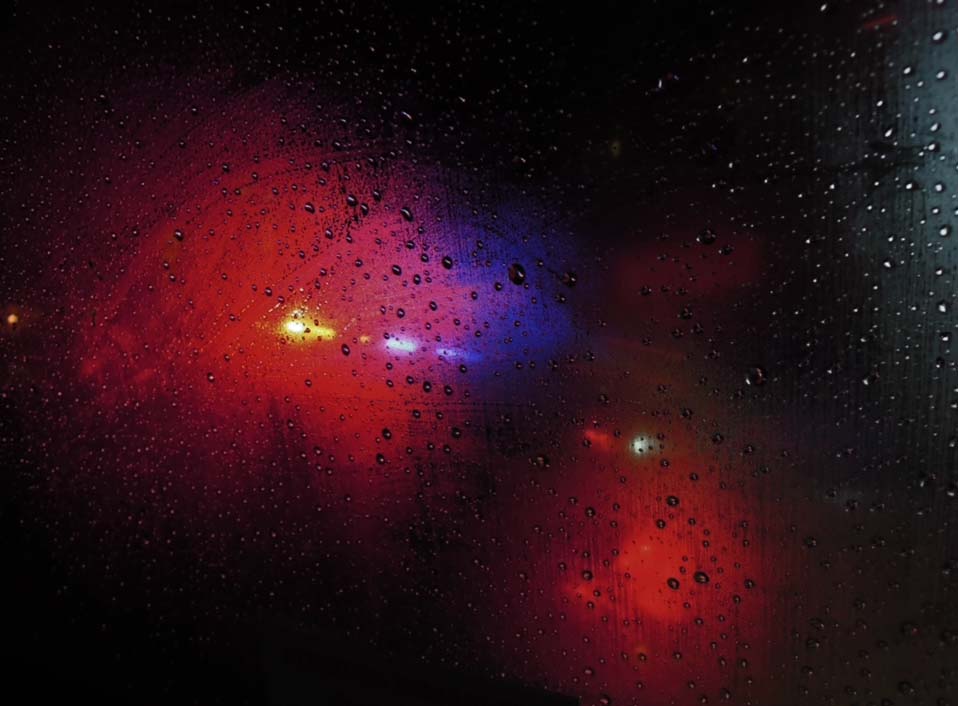
    I remembered I had my camera in my pocket.  I accepted the the meter was going to run unless I got out of the taxi in the rain (and then what was I going to do?) and enjoyed photographing the lights of the city at night.  Sometimes, my camera really helps me accept whatever is and see the beauty in it.
     

  • | | | | |

    Devotion (Bhakti)

    Much is said about devotion in yoga, and there is a great privileging by many of the path of devotion — bhakti.  With no clear answers, I contemplate often what it means to practice bhakti, to be devoted in a religious or spiritual sense.  Witnessing those on pilgrimage when I was in India (it was “pilgrimage season”), I was flooded with memories and ideas for contemplation about what it means to be devoted and how people express devotion.

    Among the thoughts and memories were having observed the operaphiles in their expensive clothes swoon and gasp and applaud at the Vienna Opera House on the opera level where I had paid a dollar for standing room; having been literally swept off of my feet in the press of the crowds heading to the tube at Wembley Stadium after seeing the Rolling Stones in concert; watching the people do the standing wave thing at ball games while hollering for their team as if their whole view of the world was dependent on who wins; having taken, standing room only, the third class train from Florence to Rome during Easter week (a different pilgrimage season), on asking who is that woman on the billboards, discovering that India, too, has a habit of electing movie stars to political office.

  • | | |

    What Do You See?

    What do you see when you walk down the street or into a room?  Do you see more or less depending on whether the surroundings are new to you or familiar?  John Friend has said that when leading a class teachers need to be able simultaneously to see the whole room (and how everything and the students are in relationship to each other in the room), each student as a part of the whole and as a whole person, and the individual alignment of each student.

    What it takes to do this is the ability to be completely soft, spacious, and open in our seeing (“open to grace”) and also well enough educated and experienced to appreciate and understand the details.  I think that when we can see both the big picture and the details simultaneously, we have the greatest opportunity to experience the most of life, are more likely to be able to look for the good, and to make the most positive changes.


  • | |

    “In, Back, and Apart”

    As I was preparing my week’s classes, I was led to contemplate the off-the-mat import of the words — “in, back, and apart” — used to describe the actions that activate the Anusara alignment principle “inner spiral,” which is also referred to as “expanding spiral.”

    The meaning and point of “yoga,” we are told is union. In the Anusara system, inner or expanding spiral is a critical element of the “universal principles of alignment,” which are designed to get us physically and energetically into our optimal blue-print.

    How can going in, back, and apart be what would create an expansion that would enable us to better experience our whole selves and all beings as spirit and in unity? Doesn’t that sound entirely backwards?

    Going “in” is one of the key aspects of yoga practice. If we only look out, we can get caught up is grasping and longing, which causes great suffering. Although we need also to appreciate the outside, going in, especially by means of meditation. Going in is what enables us to discover our only true freedom, which is the freedom to choose how we react internally to whatever is going on outside of ourselves.

    Moving back in yoga is not the same as backing off or away or turning one’s back on things, which would move us away from connection. Rather, when we move our awareness to the back body or open to what is all around us and not just what is forward-looking, we can soften and open to the unknown and to the unseen, allowing the subtle energies to move and guide us to deeper insight as to what connects and unifies.

    Moving apart in inner spiral literally is the expansive component of the action. Moving apart is not becoming more separate, but making space (spaciousness) where there was binding, allowing for more freedom to experience all that is possible. It is also about breaking apart from our preconceived notions of being limited and different.

    Moving in, back, and apart does not just realign the legs so that we can heal our pelvis and low backs and radically expand our flexibility even as our bodies age (as if that weren’t good enough). Energetically, it can revolve our whole way of connecting to ourselves and the world.

    Peace and light, E — Posted with WordPress for BlackBerry.

  • |

    “Far Too Many Words”

    Professor Douglas Brooks on language and the India pilgrimage.  I have just finished leading the group house practice and need to meditate before going to bed, so I do not have time to write more, but I wanted to draw your attention to this blog for your own contemplations about language and practice.  I am grateful to have had the opportunity to join in part of the conversation and look forward to going ever deeper.