Blossoms Around Town

Peace and light, E — Posted with WordPress for BlackBerry.
Peace and light, E — Posted with WordPress for BlackBerry.
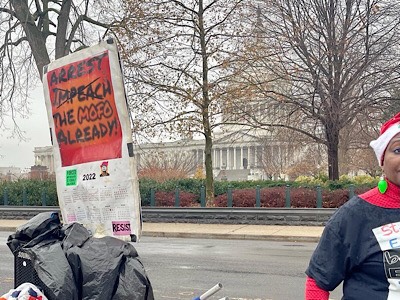
I went with a friend from volunteering at the youth garden yesterday morning to join with others to heighten awareness of the potential impact on the fabric of our fragile democracy of what the current Supreme Court decides in Moore v Harper, which was being argued.
We got to talking to one of the fellow demonstrators. I had pictures of N (for more from N, see @blacklivesmattermemorialfence), from a previous demonstration relevant to voting rights earlier in the year. After we confirmed the connection, N asked me if I was a lawyer for the government; it turns out N also remembered that I had given directions and ended up walking a few blocks together to the gathering near the Capitol for the one year anniversary of the January 6th insurrection.
We all talked about impact and whether it makes a difference if we only inspire a few people. I shared a story about one of the very few comments saying I had inspired being more politically active and outspoken in the yoga context. Maybe, I conjectured, it doesn’t matter if we only reach one person, because we don’t know who is that person and how they will be moved. N plans to make a t-shirt that says, “each one, reach one.”
To whom will you reach out? What moves you?
I had previously committed to volunteering at the Lantern at the same time as the demonstration at the White House against the separation, incarceration, and deportation of those seeking asylum. I left the house an hour early and got off the bus at Farragut Square instead of taking it all the way to Georgetown. Volunteers were actively coordinating and people were starting to gather.
I talked to people who were heading over as I walked on to the Lantern, and I brought the demonstration with me.