| |

Waiting for the Bus

Is it benign multitasking or a sign of being too attached to social media that I am writing while I am waiting for the bus home? I have taken my moment to appreciate the beauty of the Dome.

Tonight, I think it is the former. I have twelve minutes to spare. Writing now means that I will not even be tempted to turn on the computer when I get home. I will pet the cats and wash and sit for meditation before getting ready for bed.

I can pause, here, thinking about the synchronicity of the centering Batya used at the beginning of class I took tonight (level 4 at Willow Street, Takoma Park). She told us of a story she had heard on a podcast about a woman who described having a stroke as freeing her mind from its incessant chatter when the language center of the brain was temporarily immobilized. That quiet is, in part, what comes from a deep and consistent meditation practice. The synchronicity was that I am reading Ram Das’s “Be Love Now” (hot off the press), which is inevitably leading me to think about the interconnection between yoga practice and facing a stroke. It is not something I think of often.

The more we are open and aware, though, the more we will see connections and synchronicities. The more consistently we practice, the more likely we are to experience the good in even the greatest of challenges.

And now, the bus is here, and I am on my way home.

Similar Posts

  • | | | |

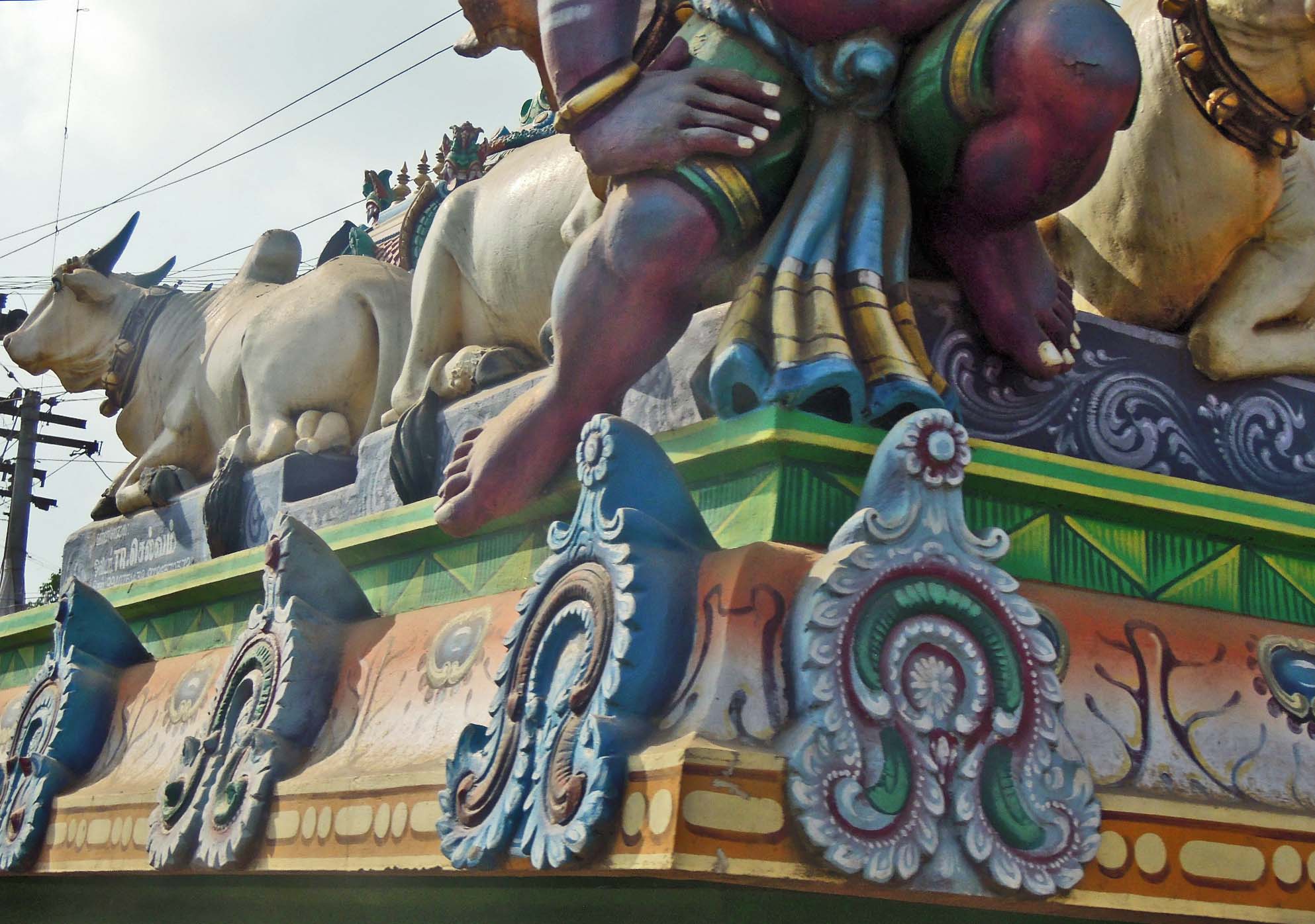
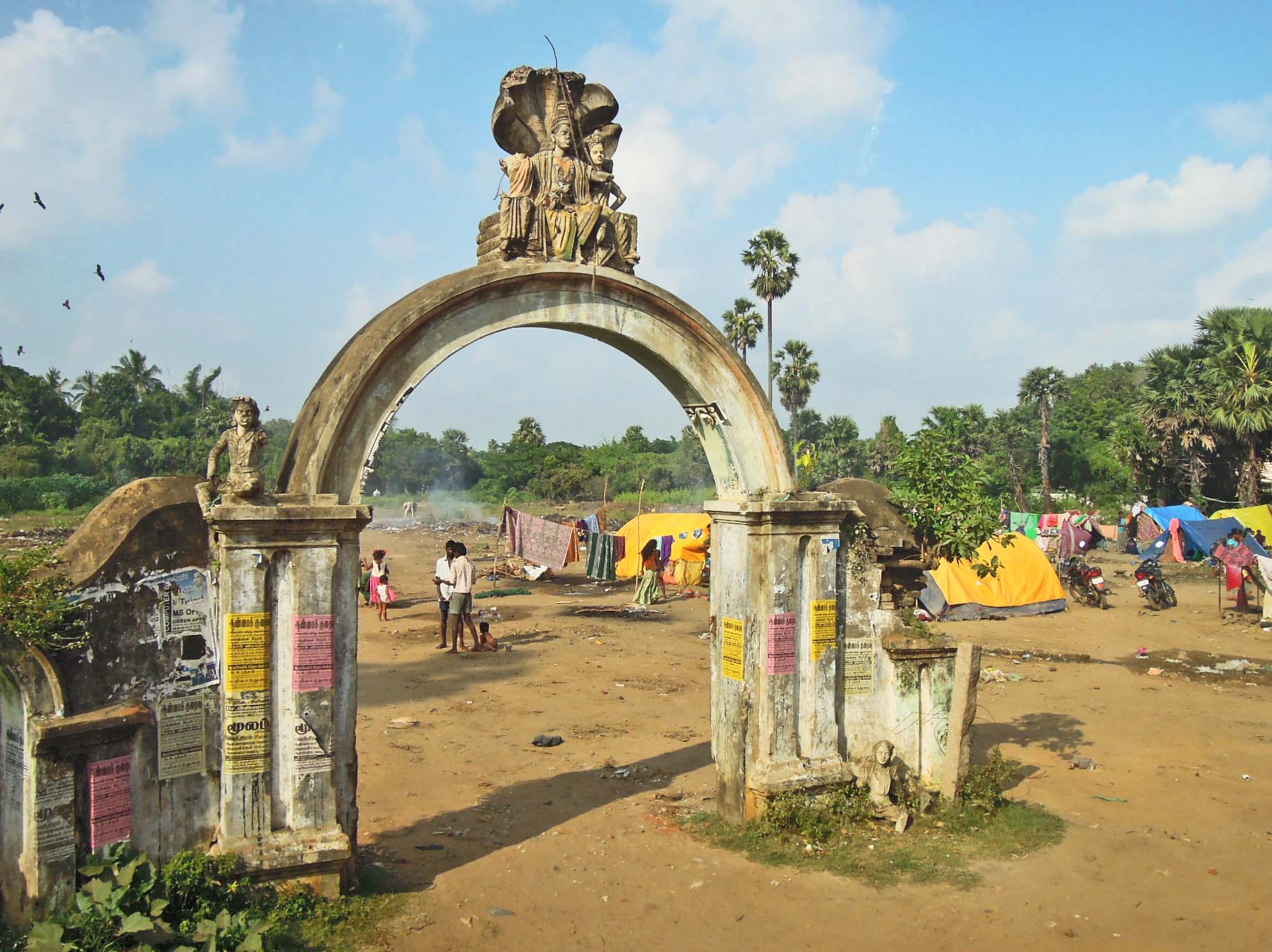
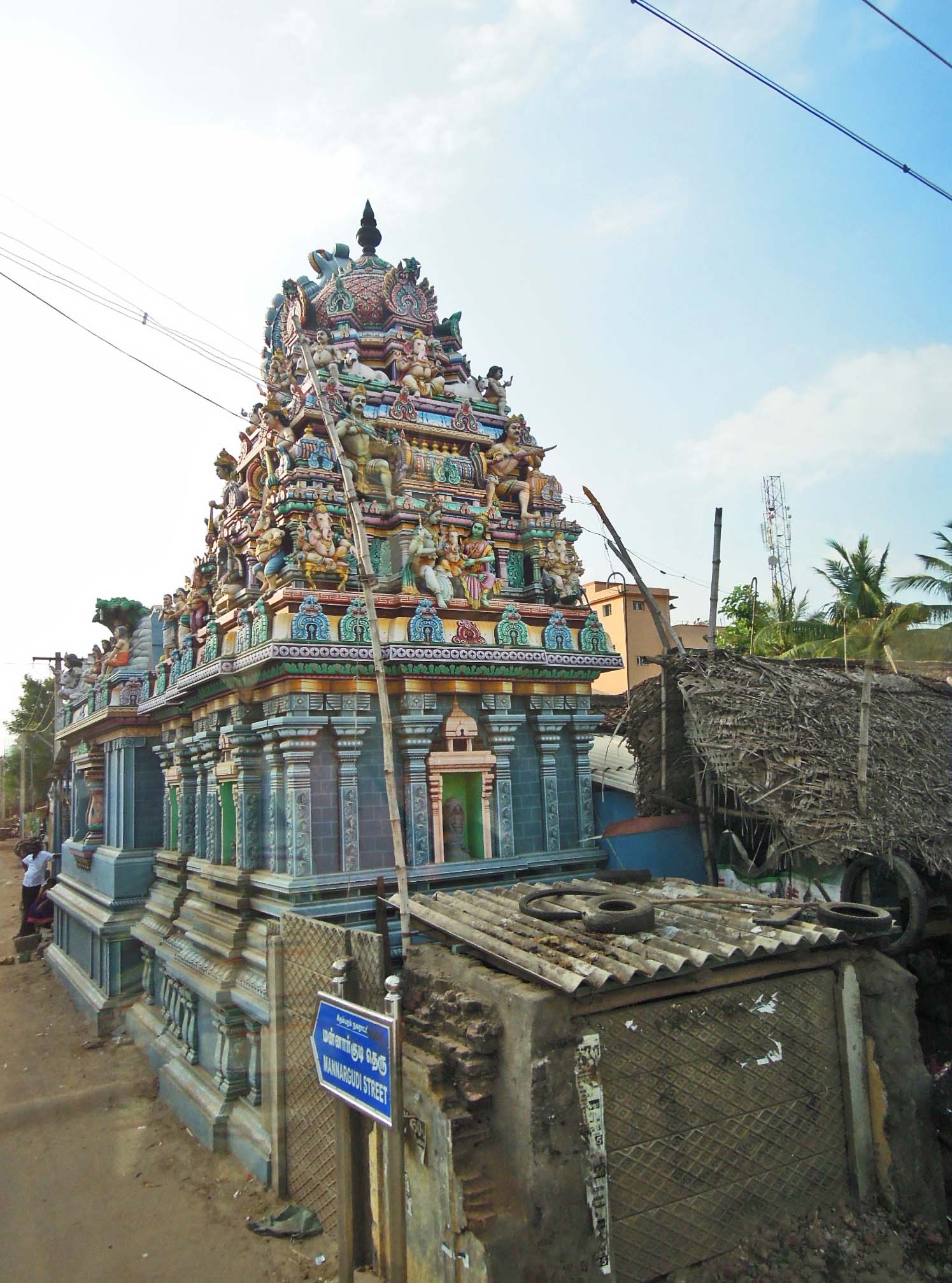
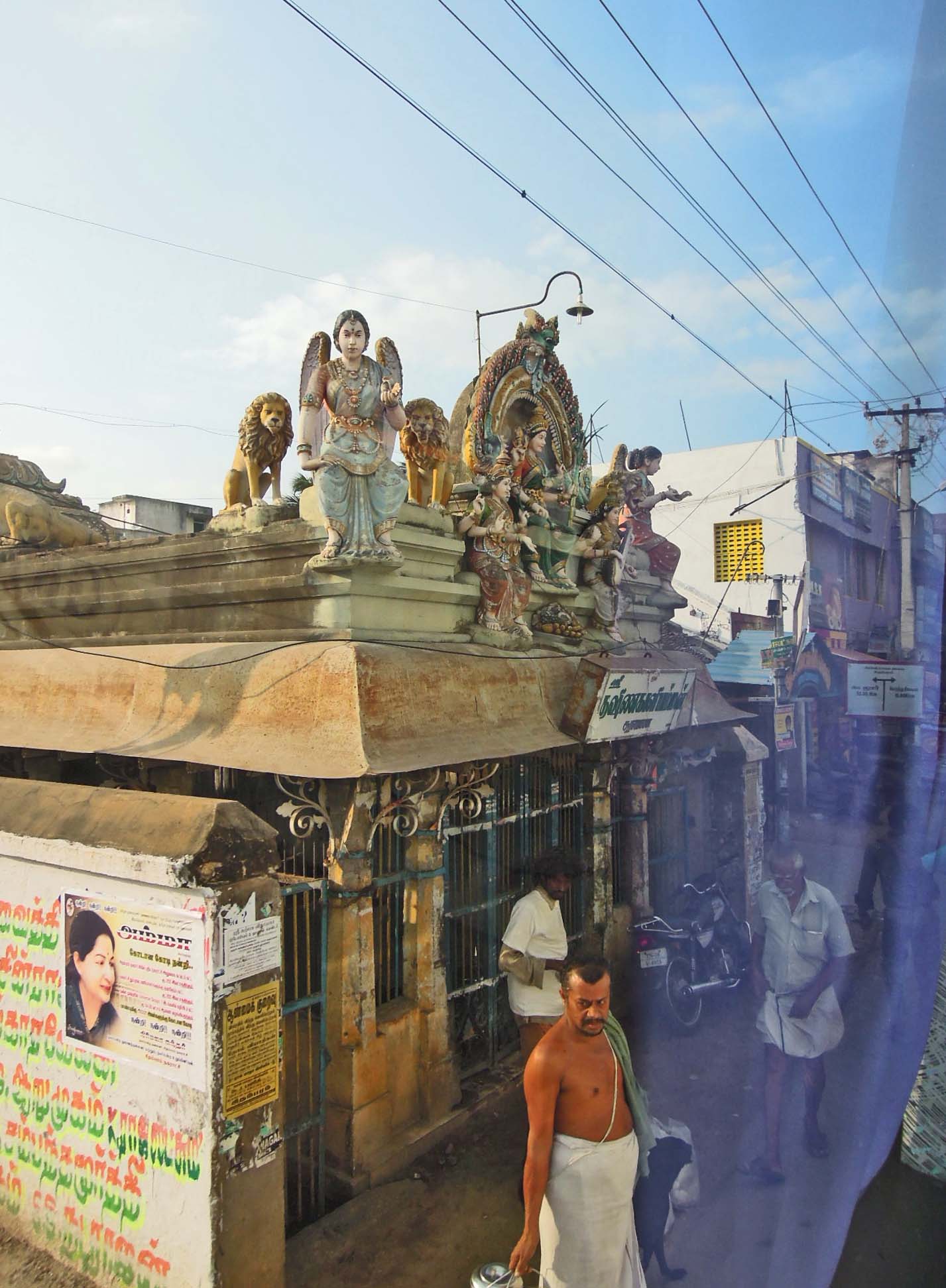
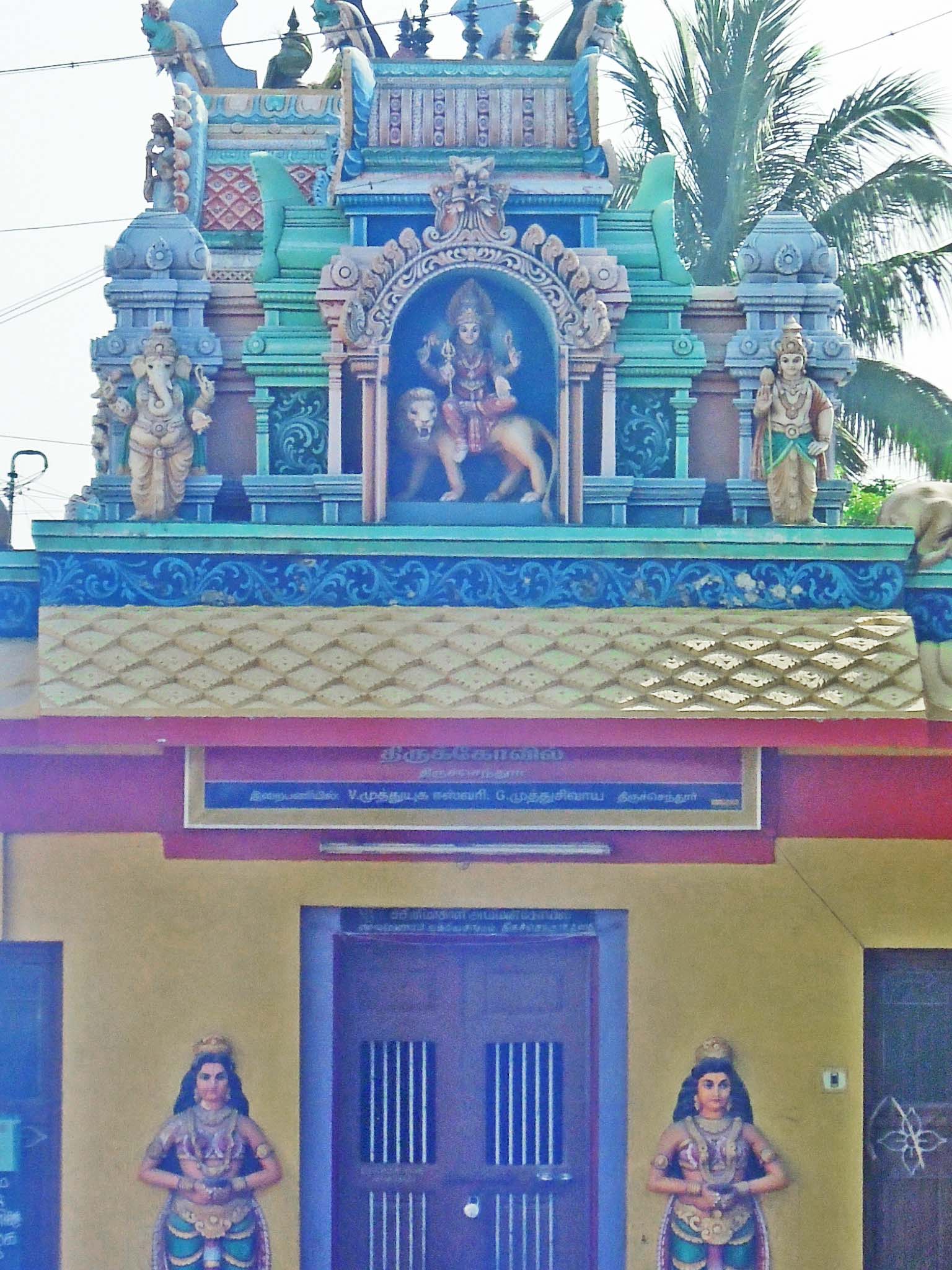
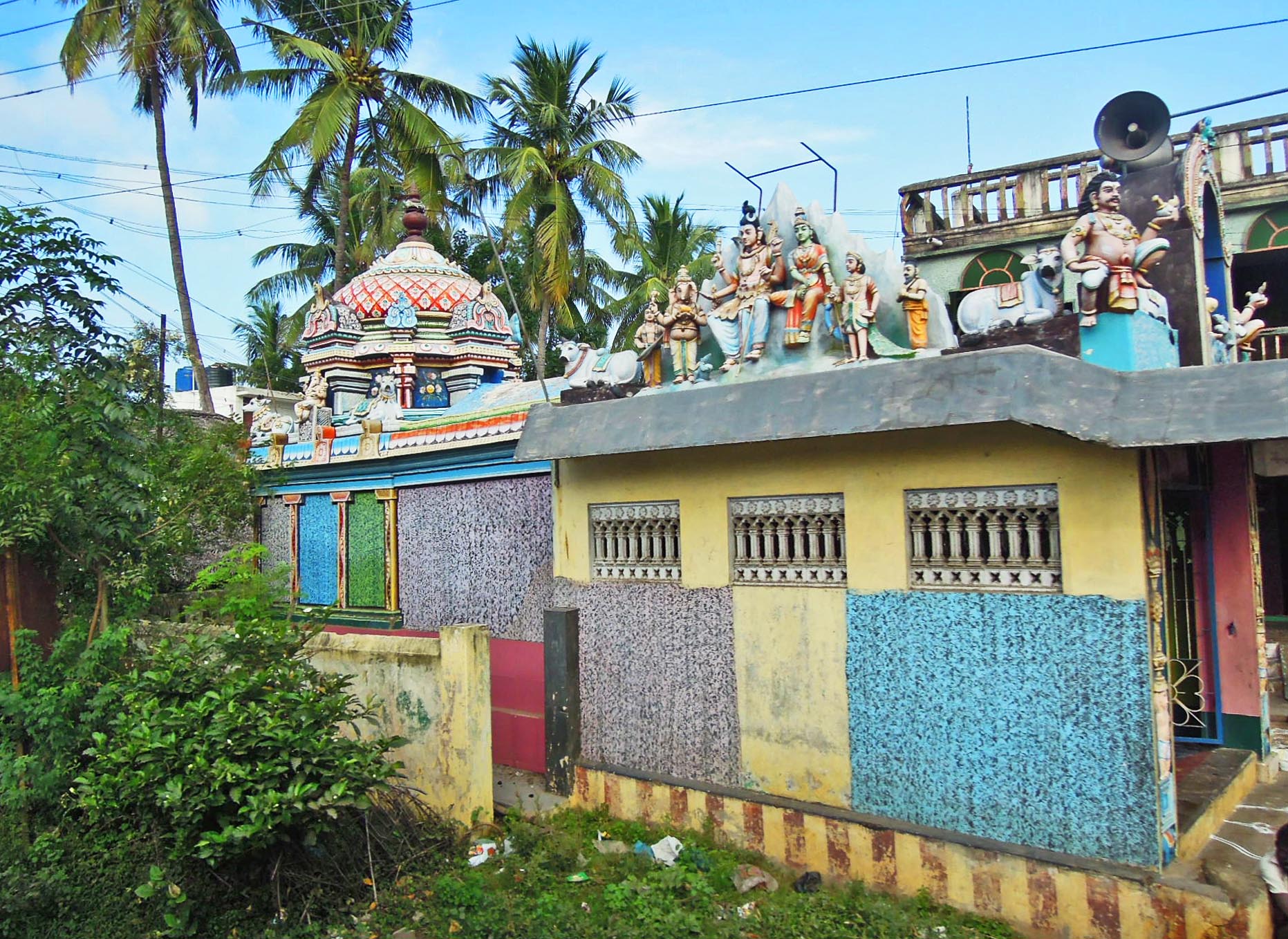
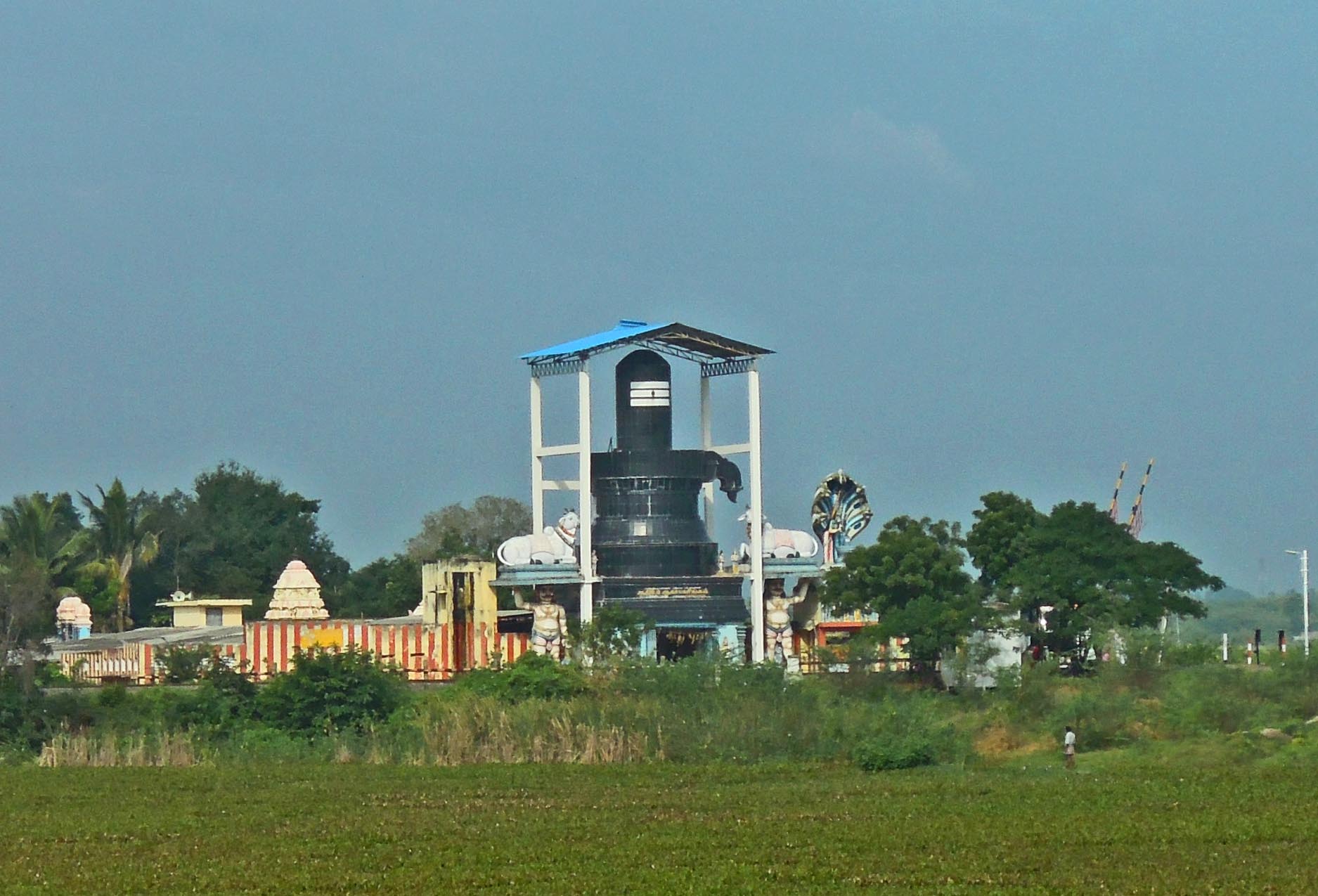
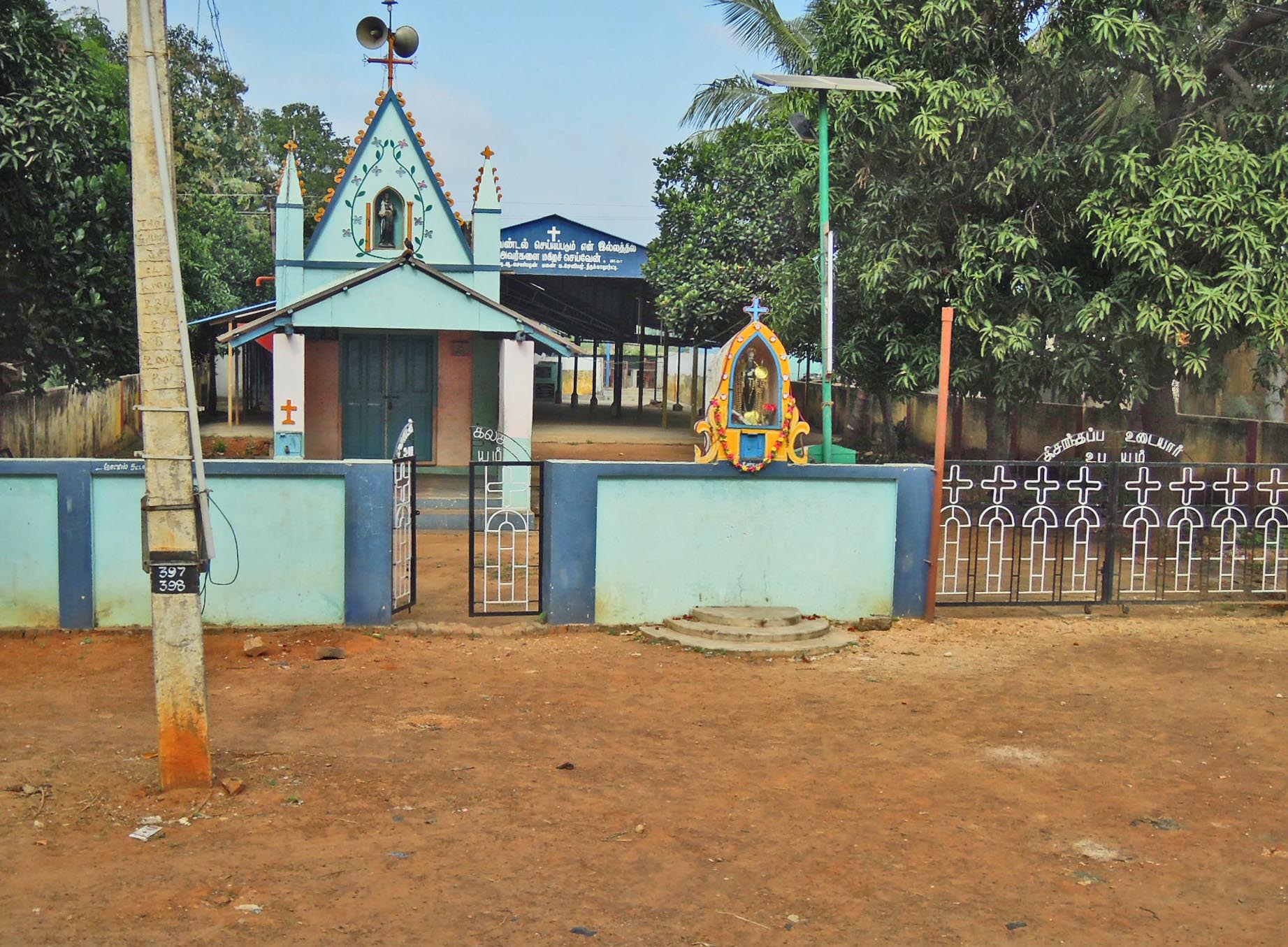
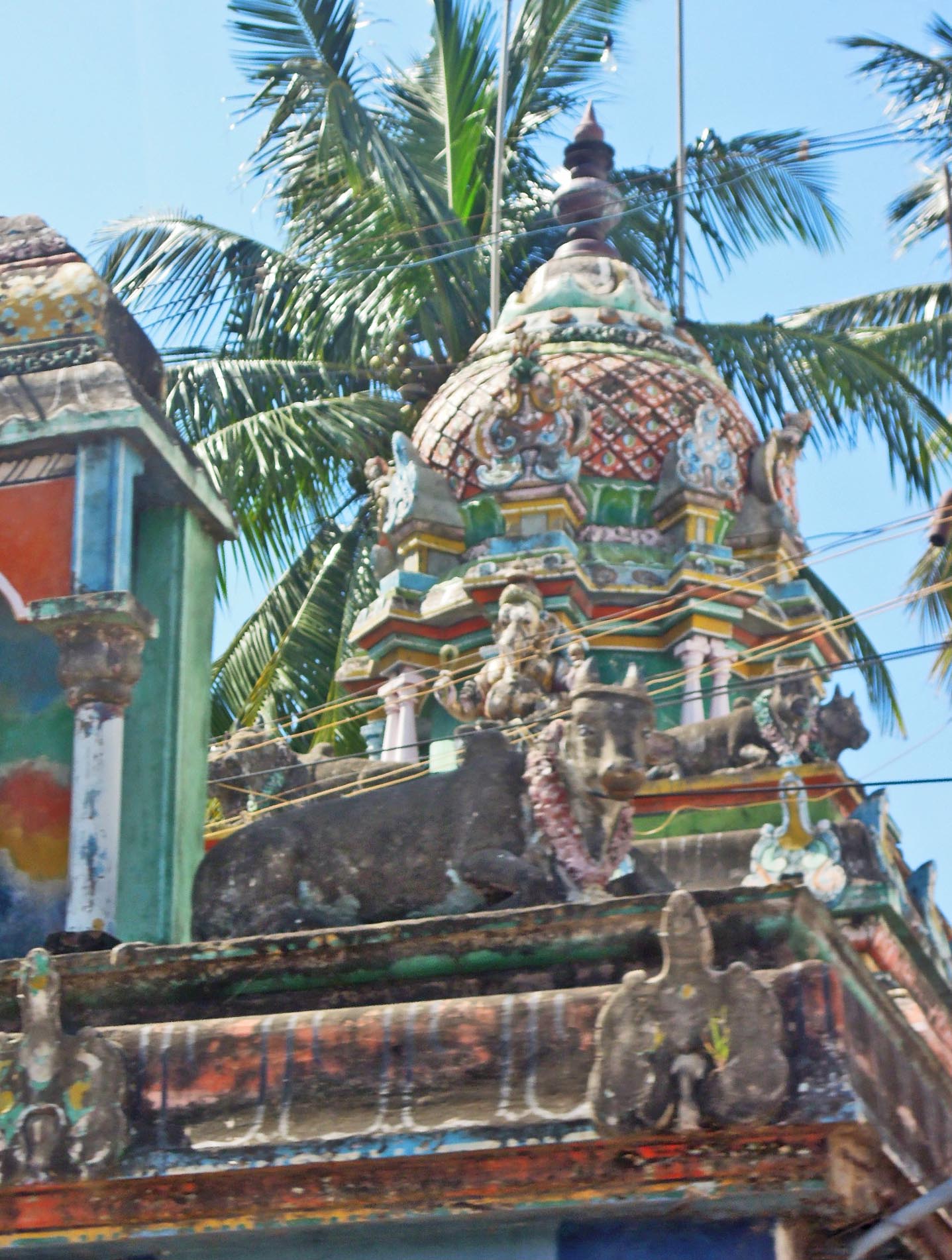
    Another Self-Induced India Photo Flashback (Roadside Temples)

    Another self-induced India photo flashback after a long work day reading and writing at the computer with breaks only for shoveling snow and for eating and cleaning up.

    We were traveling on the bus when I saw the Durga temple (the fifth photo–the one with the white glare and flat sky, but an incredible Durga).  I suggested to my seatmate that he take a picture with his better camera.  I recall it quite reasonably and correctly being pointed out to me the flat, white heat of the midday, humid sky and the glare off of the window would make it impossible optimally to show the intricacy and vividness of the temple.

    I snapped a picture anyway.  I was seeing things at angles coming and going and with whatever the light was at the moment.  I likely wasn’t ever going to be there again and certainly not any time soon.

    Sometimes the bus would pause in just the right place for a perfectly composed shot, but mostly it didn’t.  In this, the act of taking these photos was much like other aspects of life and practice.  Our path is not always certain.  Sometimes it is hard to see because there is too little light or too much.  Sometimes we have something obscuring our vision.  Sometimes we are going too fast and only notice just before it would be too late for that turning.

    But even with vision turned or obscured, we are always experiencing something.  How can we make the best of each moment of experience?  For me, it is meditating and bringing the spacious awareness of meditation to what I am witnessing.  Taking photographs helps me witness in a certain way, too.

    roadside temple 1a roadside temple 1b roadside temple 1c roadside temple 1d roadside temple 1e roadside temple 1f roadside temple 1g roadside temple 1h roadside temple 1i roadside temple 1j roadside temple 1k roadside temple 1l

  • | | | |

    Fall Greetings (Web Version of E-Newsletter)

    I hope this newsletter finds you all as well as possible. It’s been a time when I’m feeling oh so fully aware of the vagaries of fate, the wildness of being, the play between the wholly unpredictable and the ordinary and expected, and the joys and benefits of aligning with a sense of order to feel healthy, adaptive, and present to what comes our way. I’m feeling that I am at a crossroads (this is partly physical), but I don’t have particular plans.

    This summer, I listened to my own teachings, and in the midst of tending to the responsibilities of work and home and community and relationship, I made sure to take the time to to study and practice, including time away with opportunities to see the stars, to watch the sunrise, to walk in the woods, to swim in a lake, and, on the way to and from, to enjoy New York City.

    As always, I’ve been reading widely, much of the reading focused on how we communicate and relate, what we dream, and what tools or ideas we might consider for making more efficacious our web of living relationship. In the fall, I’m looking forward to attending a number of weekend yoga workshops to inform my own practice and also going deeper into studying nonviolent communication.

    For now, in the midst of this outrageous dance of life and relationship, with all that we cannot control and the unfolding turmoil of climate and society, I think that what is most important to me is to work with dedication and with my best attitude, to do community service and engage fully as a citizen, to laugh and share food with friends, to make art, and to connect the broader ecosystem, even if it is mostly through my little garden and the trees and the sky of the city. I meditate and practice asana so that I can live such a life as fully, honestly, joyously, and with as much integrity as I can.

    The Tuesday night yoga practice at William Penn House continues as an opportunity to nurture our embodies selves and to share conversation about how the practices can help us live more efficaciously. I love it when new people or those who can only come occasionally join us regulars. It is generally all level and suggested donation, with all proceeds going directly to support the work camp program at William Penn House. This summer, William Penn House work campers constructed dozens of vegetable gardens for neighbors throughout the city, sharing the joys of urban edible gardening with and making possible healthier eating for those who otherwise might not have had access. Do come join us on a Tuesday night if you can. More experienced yogis can inquire directly about the Wednesday night house practice.

    If you want to get more regular communications, do consider subscribing to the blog to get an email version of what I post–most days that will come as a photo or a few words, every once and a while, something longer–mostly somehow about or informed by my own interpretation of yoga practice and philosophy. Feel free also to join me on Facebook.

    Peace and light,

    Elizabeth

    ps The murti of Nataraja was a present just given to me by a friend.  He’d brought it back from India a couple of years ago and thought it belonged more in my home than in his at present.  I hadn’t seen one that I’d want to bring home, but he’s dancing away on my bookcase.

    Nataraja

  • | | | |

    Satgurus and Upagurus, Teachers and Teachings

    In Paths to God, Ram Dass speaks of satgurus and upagurus.  A satguru is the true teacher.  The upaguru is anyone who teaches us something, which, when we are truly open to recognizing the good in all, is literally every one.

    The satguru may refer to that within us that is the power, or the essential pulsation, or the light, or the illuminative wisdom, or the heart unbound by space and time that leads us to know the true Self.  As such, the satguru unfolds the means to experience the love that the satguru is/experiences.  The very rarest of individuals do not have to make any effort either through the various yoga practices (yama, niyama, asana, pranayama, pratyahara, etc.) or practices in another spiritual tradition to experience the fullness of consciousness unbound by self, or time, or space.  The rest of us must engage in shifting our lives to align better with nature to experience the highest bliss of being.  For this, we need teachers and we receive, if we are paying attention, teachings.

    Sometimes a person will will recognize the satguru embodied in a particular human form, as Ram Dass has with Neem Karoli Baba.  Sometimes, the teachers illuminating our journey are acharyas, great spiritual teachers who illuminate pathways and practices for finding the satguru within ourselves and in others.  They are important teachers for many and a profound influence, but except to the extent that we are all the satguru, they are not “gurus,” nor do they hold themselves out as such.   I think of my primary teachers–those I have studied with personally and a couple, like Ram Dass and J. Krishnamurti, whose writings have deeply shifted me–as acharyas.  That they may have human foibles does not diminish the power of what I have learned from them and the joy I have experienced and shared from studying with them.

    Other people we meet — all of them — are upagurus; we can learn from everyone and anyone.  That is what Quakers are taught and seek to practice; that is what Ram Dass is offering for us to consider in both Paths to God and in more detail in Be Love Now. Sometimes we meet a stranger just for a moment, but the stranger in that moment exhibits such grace, that the stranger is one of our teachers for life.  It is by being open and spacious that we get the opportunity to recognize those who have just one perfect teaching for us.  When we are closed off, we can miss both teachers and teachings.

    If we are open enough to seeing the light in everyone, we will also find that even those that trouble us can help us better respond in the highest.  Those are the ones Ram Dass calls “teachings” instead of “teachers.”   And those who will trouble us will come.  We will meet someone and that person will push our buttons.  Perhaps the person demonstrates too strongly some behavior or trait we don’t like in ourselves.  What a great teaching that can be.  When I see such a reflection of myself, I know that when I respond or act in similar ways, I am out of alignment, and it is a great motivator to release the behavior or trait.

    Perhaps someone shows up to help us reenact an old emotional pattern that has not served.  That someone is the laboratory upaguru who has arrived to give us the opportunity to discover whether this time around we are able better able to embody the principles that we are studying.  In being faced with our old stuff, we are given an opportunity, by changing how we respond, to dissolve the old patterns (samskaras) that, if not dissolved by practice, commit us to perpetuate the suffering resulting from our past actions (karma).

    Sometimes the upagurus come from the past.  They are seeing you through the filter of their own past and have reappeared for something on their own journey.   In such people, we perhaps get a teaching that reminds us why we are seeking to better align, why we have sought to shift and change old patterns.  We might also meet in an upaguru who has been part of our past someone who has shifted and grown and inspires us to go further on the path, sharing it for a while.  Those who are parts of our life for a long time, I think generally serve as both teachers and teachings, and we are the same for them.

    With regard to everyone we meet, from an embodied satguru to the most troublesome, the more we are open, the more we hold all that we encounter in what John Friend calls “luminous spaciousness,” the more able we will be both to recognize the true teachers and to learn from the teachings.

Leave a Reply

Your email address will not be published. Required fields are marked *

This site uses Akismet to reduce spam. Learn how your comment data is processed.