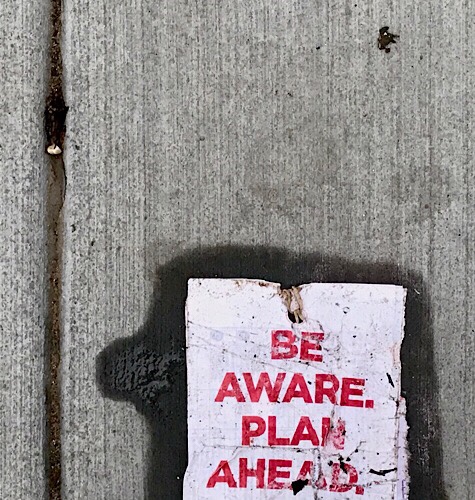
Poetic Requests Around Town

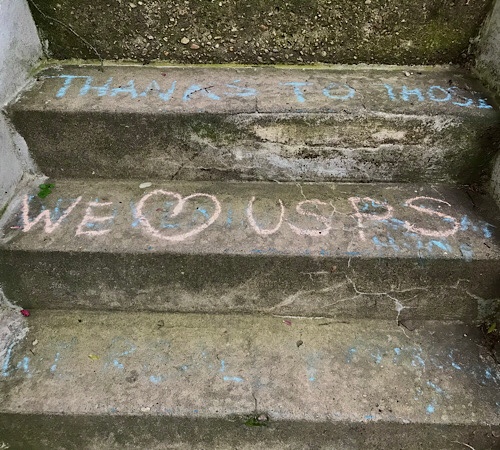
Have you let your elected officials know how important it is to fund the United States Postal Service
When I pause to think about it–something I try to do consistently with the fruits of technology–it is an extraordinary marvel that I can be telling stories to the world from a little device I am holding in my hand, one that also has let me speak and exchange notes while I am away from home with friends, colleagues, and business connections.
What I cannot do (more likely because I haven’t yet learned how than it is not possible) is to be my usual careful self when posting entries. I have not done hyperlinks to attrbute my sources, nor have I spell-checked. At home, I would not hit the “publish” button without doing those things.
Under the circumstances of being away from my regular computer, my library, the ability to check my references, and to provide proper citation, but being brimful with enthusiasm for being with my teachers, colleagues, friends, and the practices while I am at the teachers’ gathering, it seems better to post than not, using the means at hand. I sacrifice some of my usual discipline to share the joy.
All of life is like that. We may have ideals of what is proper, what are our standards for appearance, for work, for sharing a meal or our homes. When circumstances limit our ability to meet our own standards, it is part of the yoga to see whether the standards are binding us or serving to help us better connect. I believe that we should always strive to be more precise, more technically accomplished, better able to convey a sense of grace and beauty. But that effort should not cut us off, bring us to a halt, disempower us, prevent accomplishment of things. Most of all, it should not deaden a sense of spontaneity of gesture–the part of art and relationship that reveals our true spark.
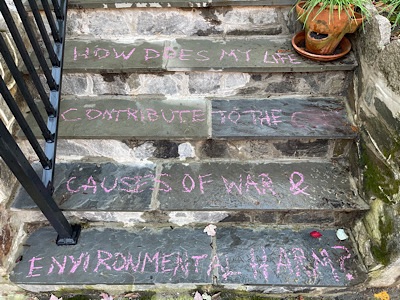
The first question I ask myself just about every day, is how my life contributes to the causes of war and environmental harm. The the second question is what am I going to do to minimize the harm I have already caused and, by virtue of being a middle class US citizen and taxpayer with a 401(k) plan, will continue to cause as long as I remain alive?
A work colleague of mine graciously said to me that he did not know how I got through certain meetings without yelling, he did not know if he could do it. I replied that lots of yoga helped. “Maybe I should get back to transcendental meditation,” he said, “but I found it did not really help; I should find something, though.”
I said that I tried to think of the challenges at work as just part of the dance that yields such rich abundance for me. The discussion carried on, and we not only resolved the minor problem that had led to the phone call, but also felt a deeper connection that will make it easier in the future to resolve work issues that we mutually encounter.
What I like best about the myth of Nataraja is that the dance is not for the purpose of creating the world or with any particular design, but for the sheer bliss of dancing — anantatandava. The dance makes possible both destruction and creation, but it is not its reason. When we engage in the dance of our own lives, yoga invites us just to dance fully with wonder at the rich diversity of experience. We make choices and seek to be more aligned, but ultimately we are just dancing.