Art and Culture | Asana, Pranayama, and Yoga Practice | Food for the Mind (Yoga Philosophy, etc) | Meditation | Poetry
Found Exhortation
Last week, a co-worker stopped by my office to chat. Not surprisingly, the conversation turned to current affairs, and I voiced my every day growing anger and grief and disgust and commitment to seek more ways to have positive impact. My co-worker essentially responded that as a yoga teacher, she thought I ought to know that I shouldn’t get so upset, things weren’t so bad.
As should not be surprising to those who know me or practice yoga with me or read what I post on social media that I explained that my yoga calls for lucid and engaged citizenship and not escape from challenges and difficult emotions. My co-worker demurred, still wanting her own comfortable silence.
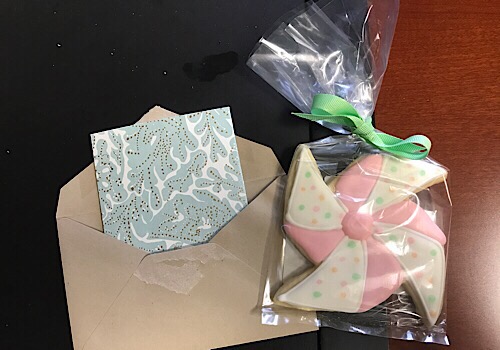
The fateful weekend passed. When I returned to the office this week, I found a note and a cookie on my desk. The note basically said, wow, Charlottesville, I hope you’re feeling ok, I thought you might like a cookie. Without addressing the substance of the note, (my own conflict aversion coming to the fore or perhaps my sense that in this case there was little point in pursuing the conversation further and my co-worker has been a pleasant colleague ), when emailing about another matter, I said merely thank you for the cookie.
I’d thought that would be the end of it, but my co-worker then stopped by to thank me for saying thanks for the cookie, I no longer restrained myself from passionately though tolerably politely articulating what I really thought, including what a privilege it is to be able to have a bakery cookie whether for hunger or comfort.
I can relate to wanting everything to be ok, and I’m really glad I have plenty of food and a comfortable home, but I also believe that with my privilege comes great responsibility, now even more than ever. I seek to be more aware not less. What about you?
I just received Cate Stillman‘s e-newsletter, which highlights an interview with John Friend on Disease and Rhythm.
In this society, we tend to think of softness as a negative. If being soft is collapse, laziness, inattentiveness, etc, then it would indeed be a hindrance to growth inner and outer.
We need to soften, though, in order to open or change. When baking a cake, we allow the shortening to soften so that we can cream it with the sweetener. When a seed germinates or a fledgling emerges, the shell softens so that the new life can burst forth.
When I soften as part of the first alignment principle, it is not a collapse, though it does have an aspect of easefulness. It is necessary to soften to invite the support of the subtle energies, to fully experience all the pose has to offer, to expand with light from the inside out. Softening when we start a pose is like the softness of early spring that allows the vigor of full growth to expand.
Being soft in this way — on or off the mat — makes possible the growth of inner brightness and strength that actually makes us less vulnerable then would creating or keeping a hard and brittle shell that can bind or break.
Monument to Andy (but, I ask, does he really need one?)

Peace and light, E — Posted with WordPress for BlackBerry.