| | |

Found Exhortation (and Tapas)

image

What does it mean to excel, to do well?  I think there is no excelling in yoga, at least not the way we conventionally think of excelling in school or career or sports.  But to practice in a way that is more than casual, there must be ardor–tapas. 

Tapas is often translated as fire, and the texts are full of stories of outrageous physical exertions done to prove the tapas of the practitioners looking for boons from the gods.

There is a fiery aspect to tapas, but I question whether it must necessarily be burning from physical exertion, though that is a path that calls out to many. 

The fire of tapas could be thought of as doing what it takes to manifest the will to know something deeply enough to be able to experience the fluency and grace and delight of expertise.   It could be the ardor to show up in a disciplined and committed way for hours and days and years of practice, always still wanting deeper, fuller knowing.

Similar Posts

  • | | |

    The Svadharma of the Pinky Toe (and Radical Affirmation)

    Svadharma, from sva (self) and dharma (duty) means our personal path, duty, calling, or place.  The principle of svadharma is a significant teaching in various yoga texts, such as the Bhagavad Gita, especially emphasizing the importance in acting in accordance with one’s caste (for example, Arjuna needing to act in accordance with his dharma as a warrior) or one’s sex (consider Sita’s role in the Ramayana).

    Extrapolating this teaching and taking it onto the mat, during one of the practice sessions the previous week at the Certified Teachers’ Gathering, John Friend said that “every part of the the body has its own svadharma to increase the pranic flow.”  He then said that if you just took a photo of the feet of an Anusara yoga practitioner in any pose, you should be able to see that the whole body was fully engaged and active.  John Friend’s teaching here was not just using the yoga philosophy as a catalyst to better understand the body.  By using the principle to illuminate the practice, the practice reflectively illuminated the principle itself, without denying or denigrating its original context or getting bogged down in its historical baggage of perpetuating the caste system and demarcated, subservient roles for women.

    Thinking about the svadharma of the pinky toe has no such baggage.  The pinky toes are homely looking things, they do not fit well into most women’s shoes, they rather painfully bump into things, and they are hard to move independently.  They are not essential for living and do not have the emotional charge of the heart and brain, the exquisite connection to the world of the sense organs, or the connection to life itself of the lungs.  Despite this, the call to lift and spread the toes, to draw the pinky toe toward the heel, or the hip happens just about every time I go to the mat in my practice or teach a class.  Activating the pinky toe by opening it and spreading it apart from the other toes is a conscious act of opening that helps hug the shins to the midline.  In hugging the shins in by means of activating the pinky toe, the yogi on the mat can then safely move the thighs back and apart, creating an expansion of the pelvic floor that provides room for more strongly tucking under the tailbone to access core power.  The pinky toe thus is an important part of our practice, even if we could manage to get by without it.

    But the svadharma of the pinky toe on the mat is not just to be able to help us access the movement of “shins in” so that we can better do “thighs out,” although that is an important physical part of its essence.  The toe does not move on its own.  We have to start by bringing our awareness and consciousness to the toe.  Part of the pinky toe’s svadharma, then, is to invite the infusion of consciousness to show how full participation of even an apparently insignificant part of the body can lead us to a better understanding and personal experience of the pulsation between reaching out and hugging in and affirming ourselves.   By intentionally bringing our awareness to the power we can unleash in the pose by the movement of the pinky toe, we bring the opportunity for greater strength, expansion, and flow of energies.  This is why, I think, John Friend suggested that by just seeing the toes we should be able to know the engagement of the whole body and mind in a particular pose.

    As a practical and therapeutic matter, recognizing and bringing into play the svadharma of each and every part of the body serves to help us increase the flow of energy and expand our range of movement.  In addition, activating the parts of the body that are inclined to slack (for example, the pinky toe or the adductor and abdominal muscles) will bring ease to the muscles that tend to overwork to compensate, such as the neck and low back muscles.  We are not just stronger and more flexible when every part of the body does fulfills its svadharma, but we eliminate much pain and suffering.  (More to come on this particular concept in other posts.)

    Off the mat, when all parts of the whole are fully conscious of and know their svadharma, the whole will itself have more consciousness, more light, and better experience the bliss of being.  It is easy to see, without judgment or question, that the pinky toe cannot do the work of the heart, although when the pinky toe is working it can help contribute to an integration of mind and body that will further the opening of the heart and thus the whole person.  Finding our svadharma as a whole person within society does not have to be about conforming to preconceived social norms that no longer serve.  The better we are able to understand where we are in time, space, and the interconnected web of being, though, the more fully we can participate in leading society itself to a more conscious and light-filled place, just as bringing our conscious awareness to the actions of the pinky toe can do the same for us as individual yogis on the mat.  When we recognize and live out our true svadharma as such, we radically affirm ourselves, the community, and the very essence of all being.


  • |

    Seen From the Bus

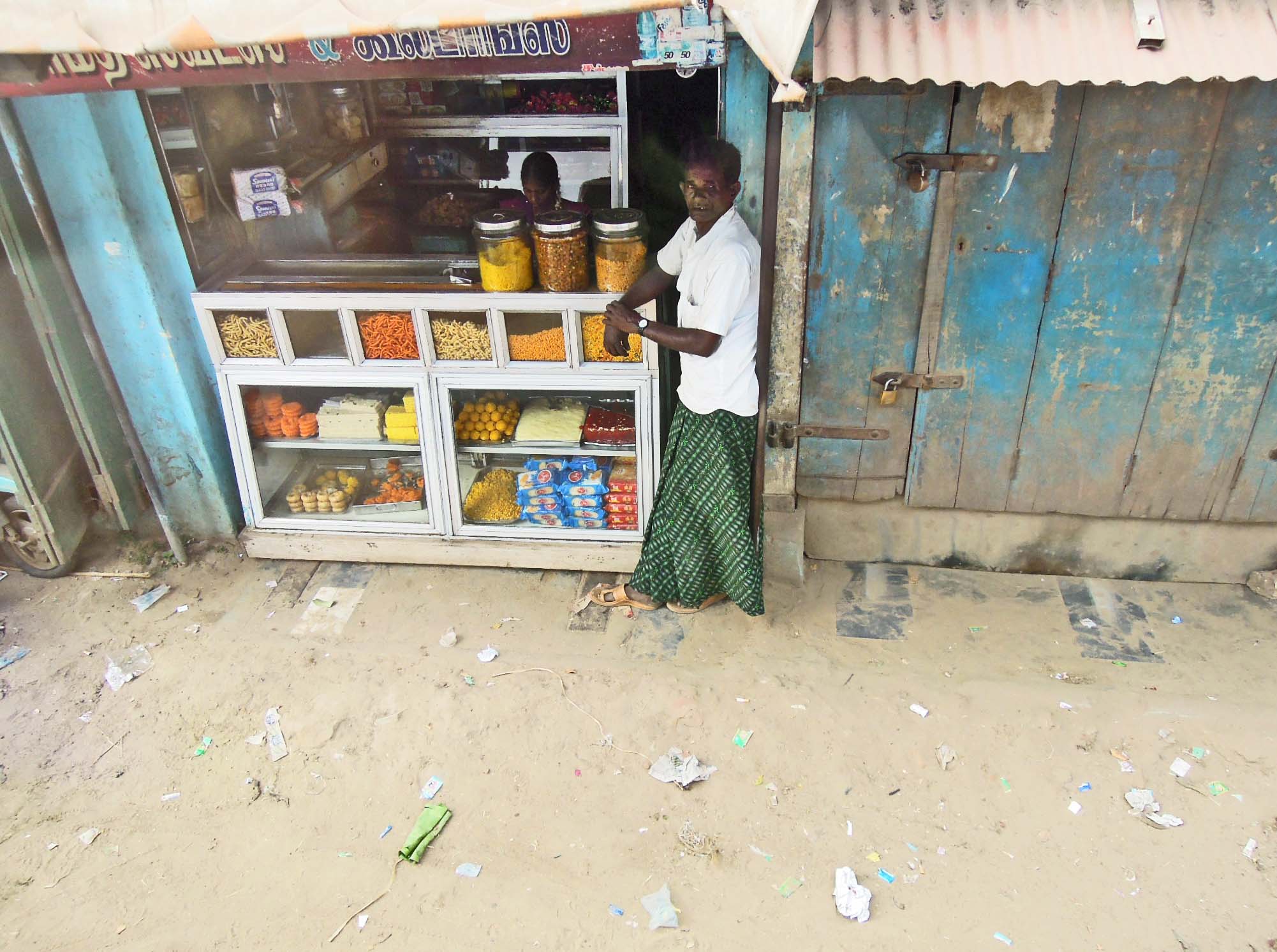
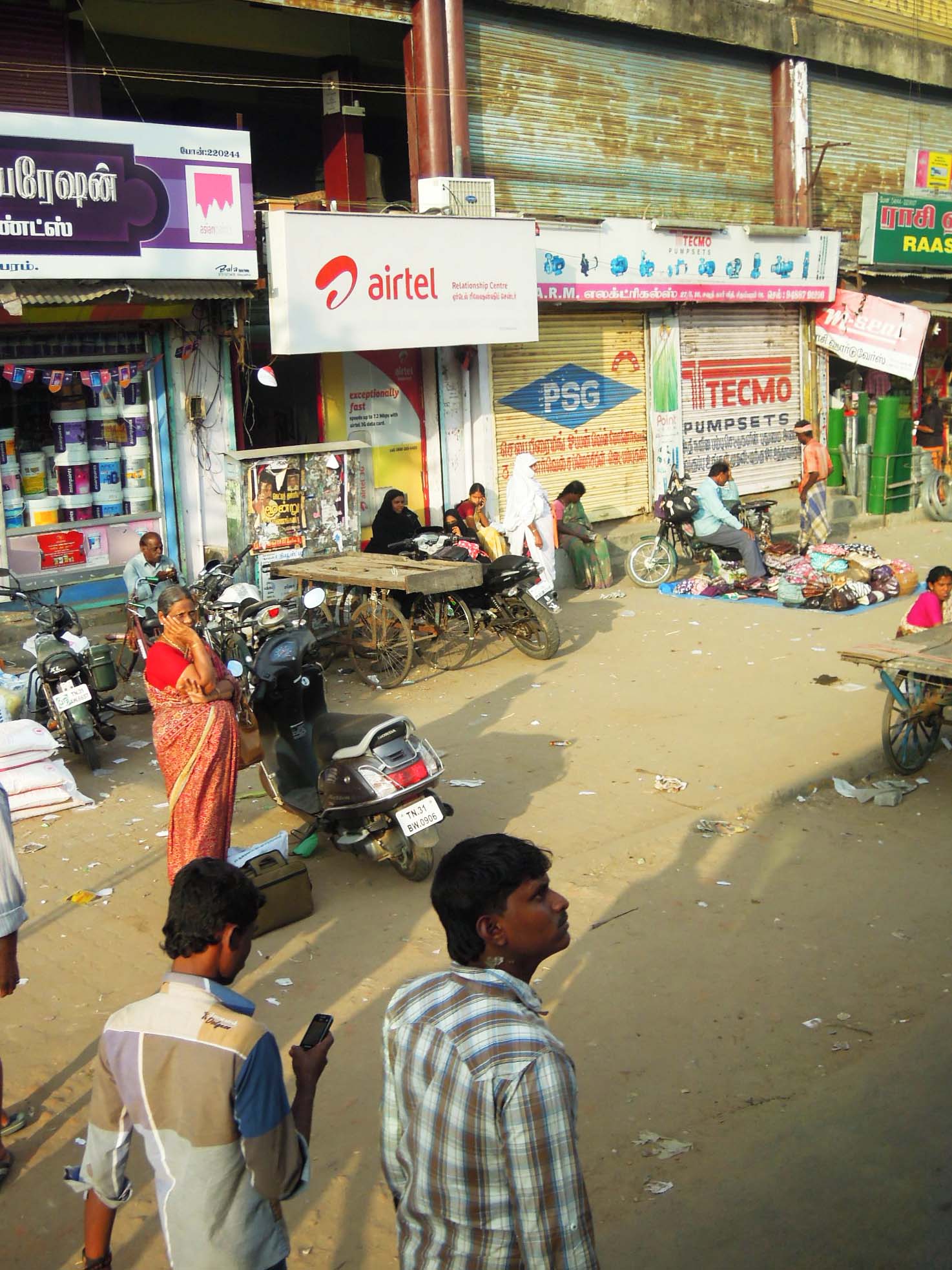
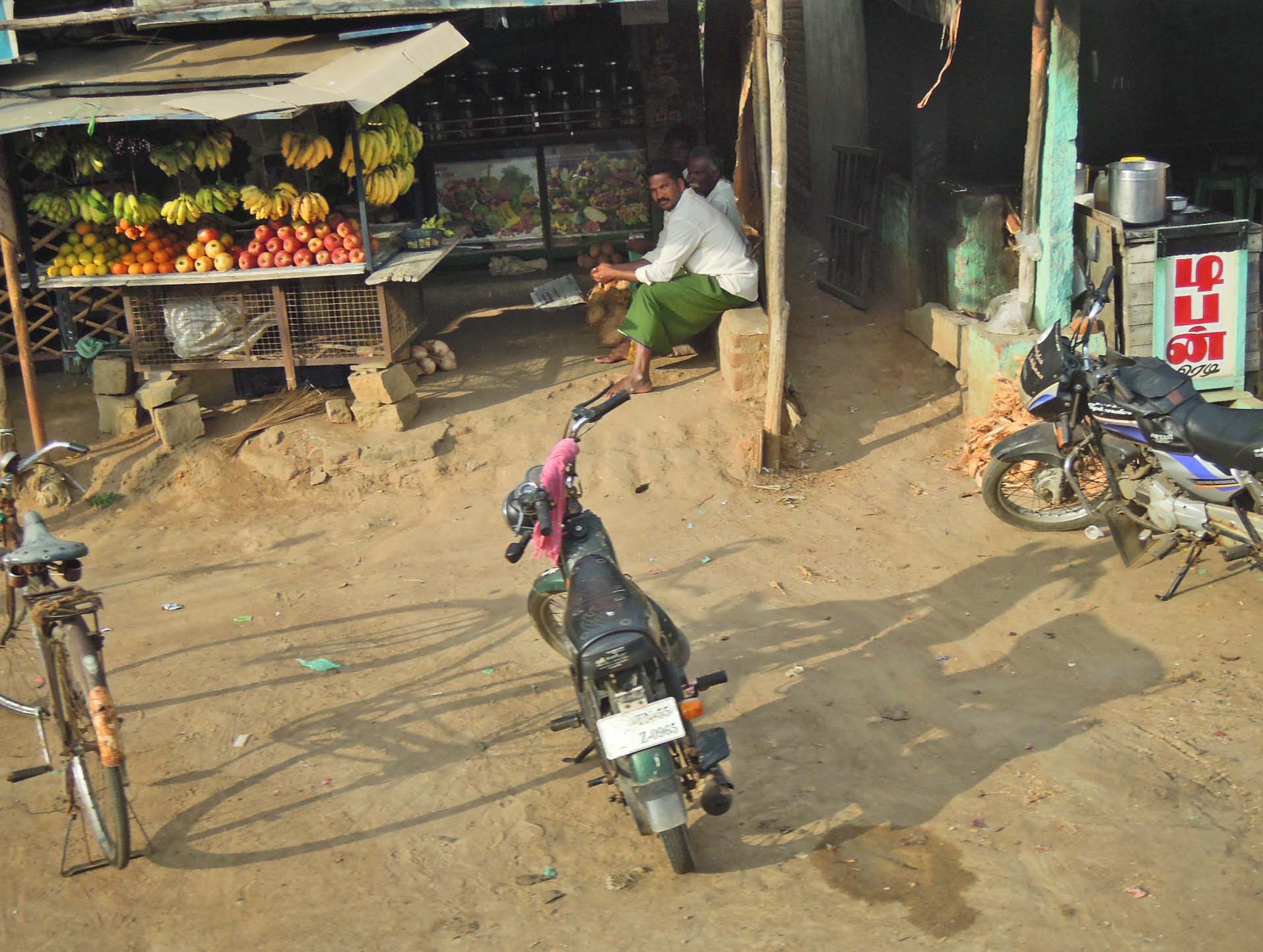
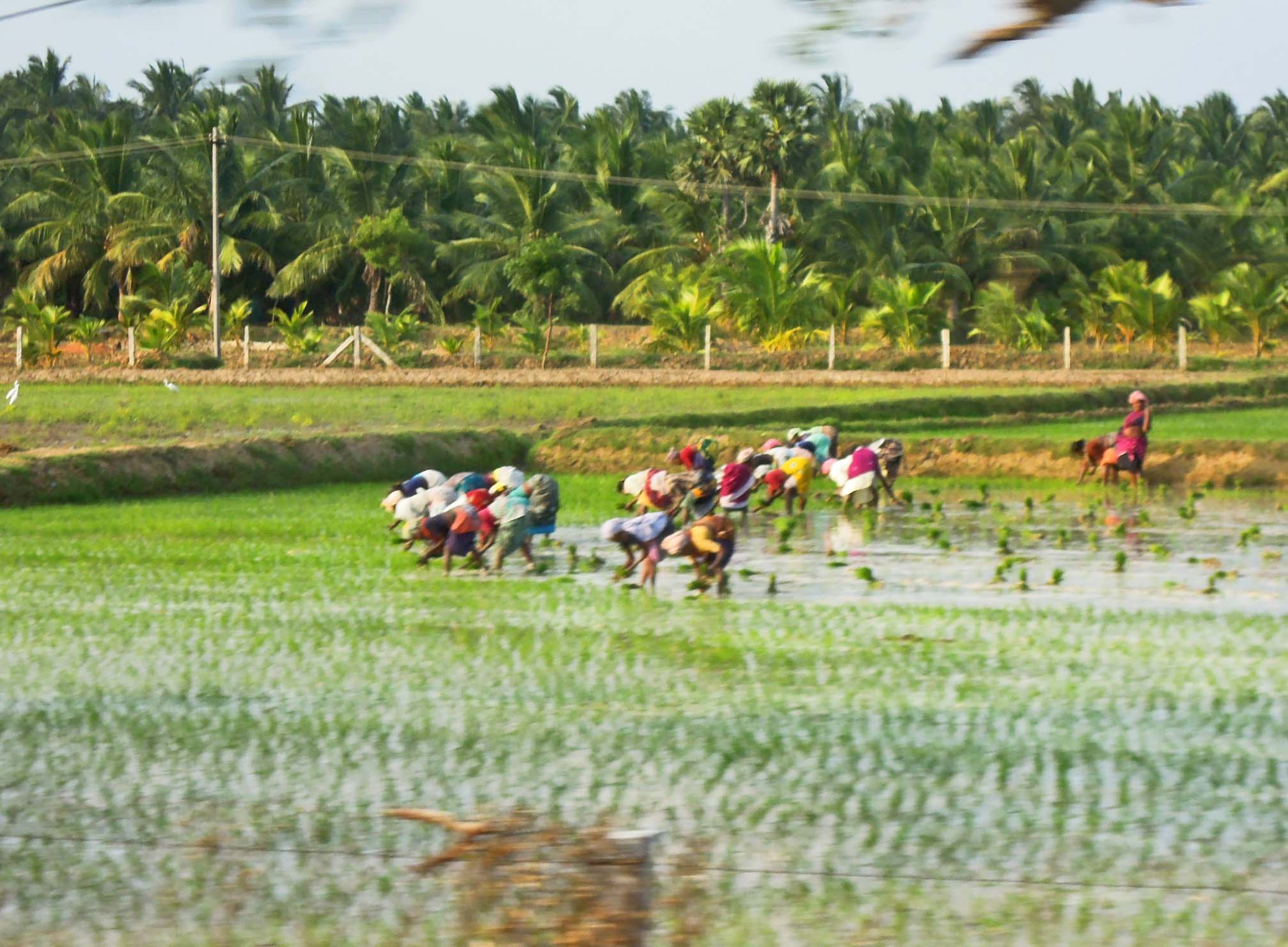
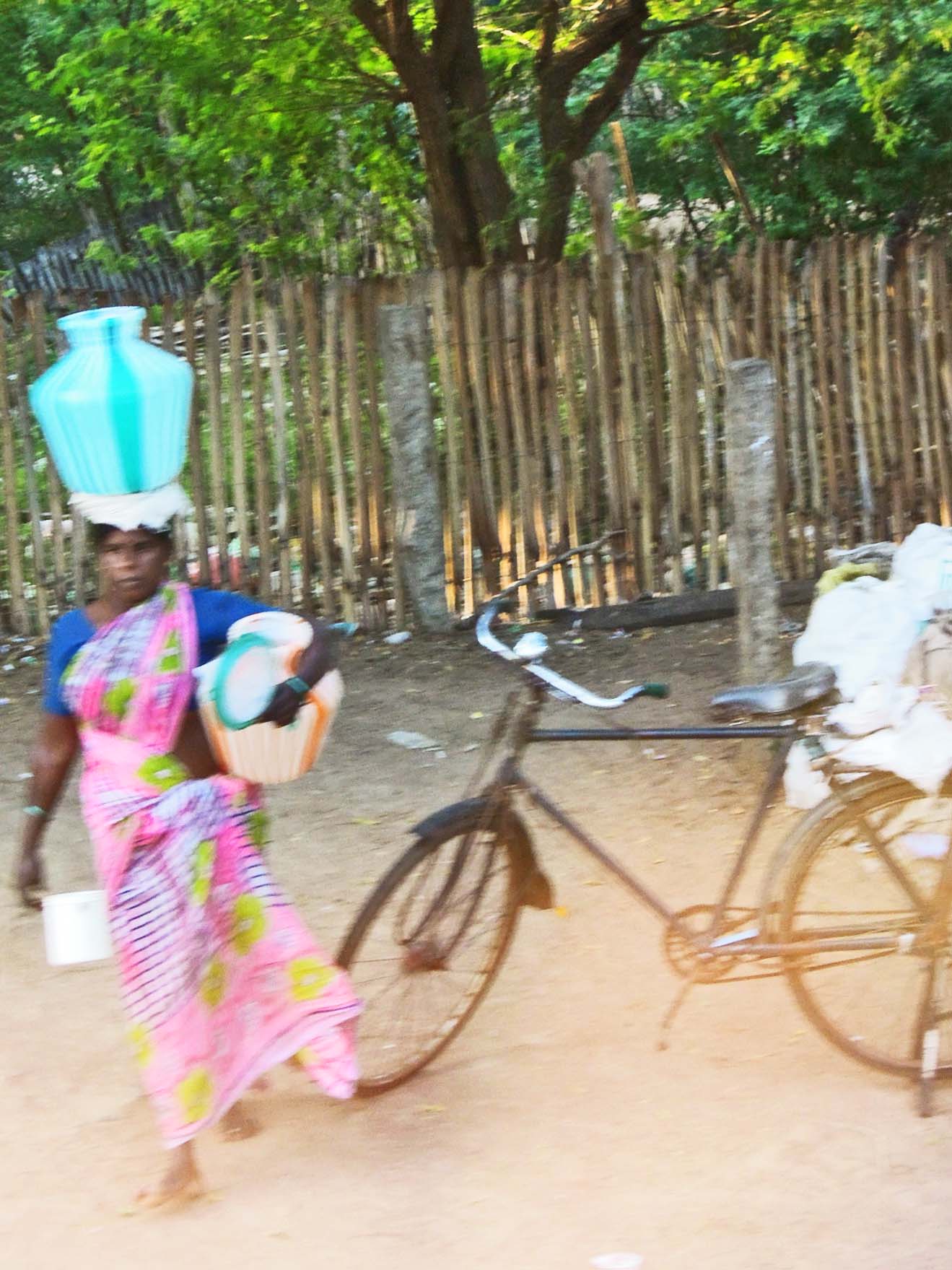
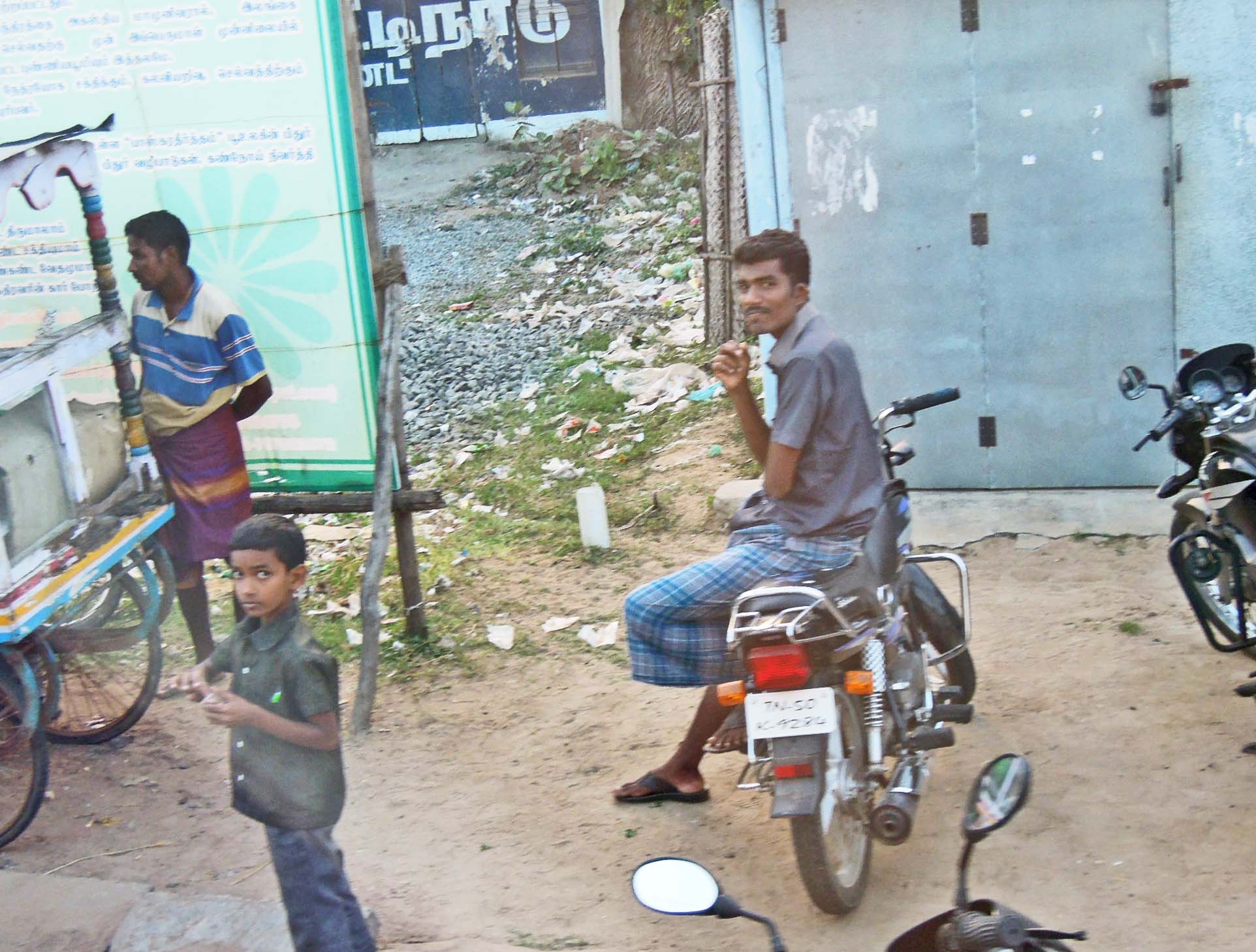
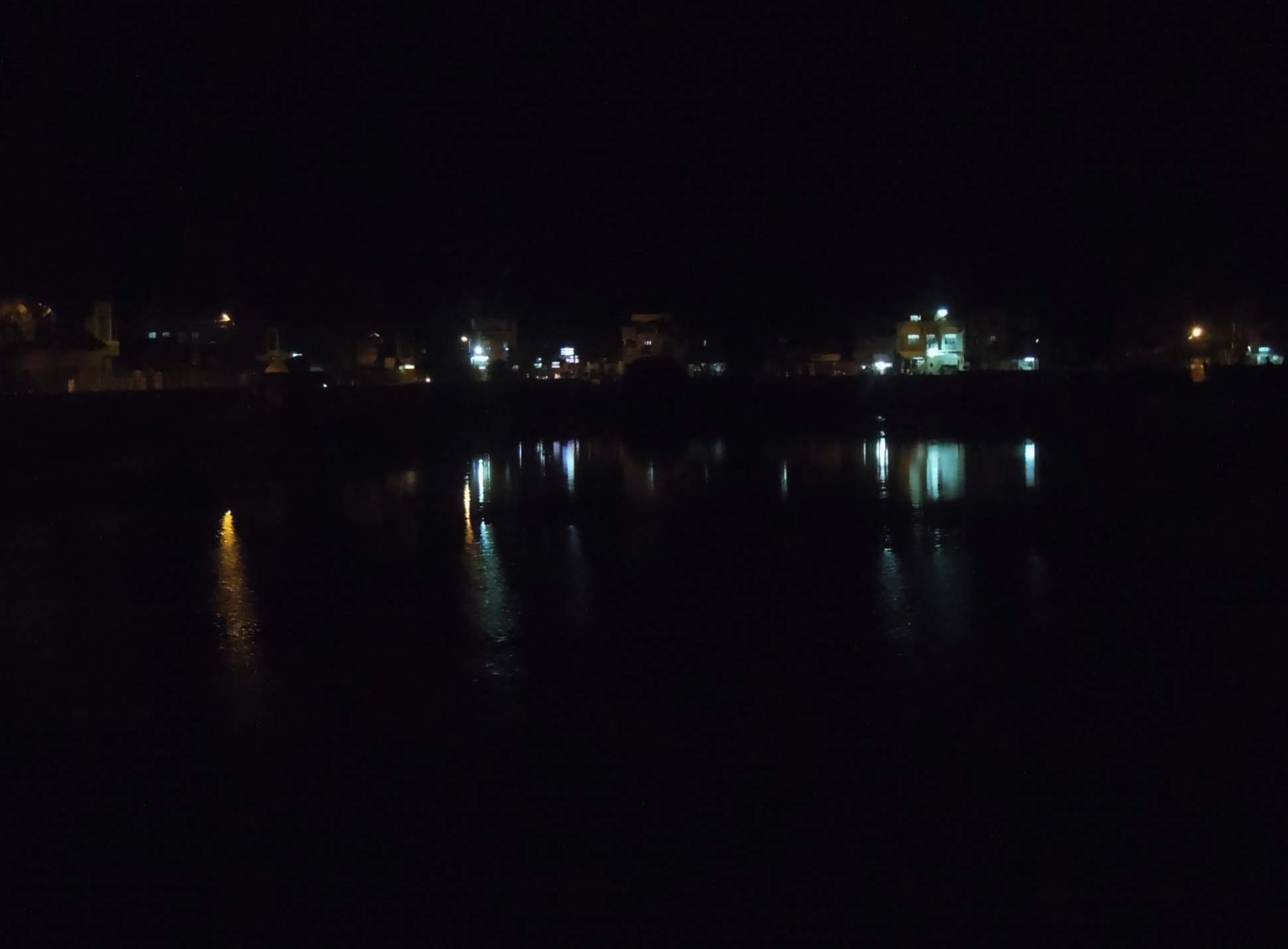
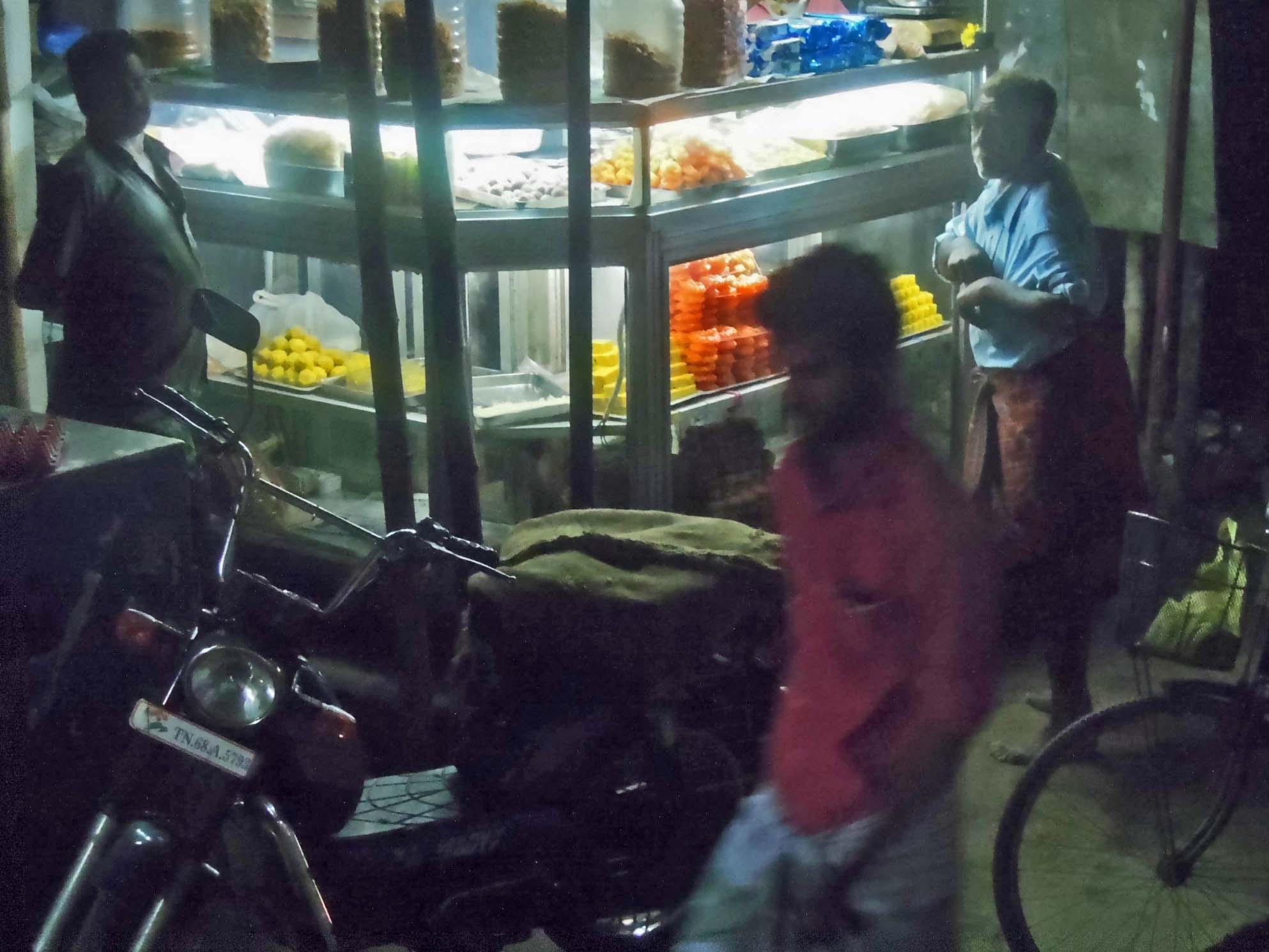
    It’s hard to believe that I’ve only been home from India for a little over two weeks given how busy I’ve been at work.  I found some time this afternoon to pick out some photos to share.

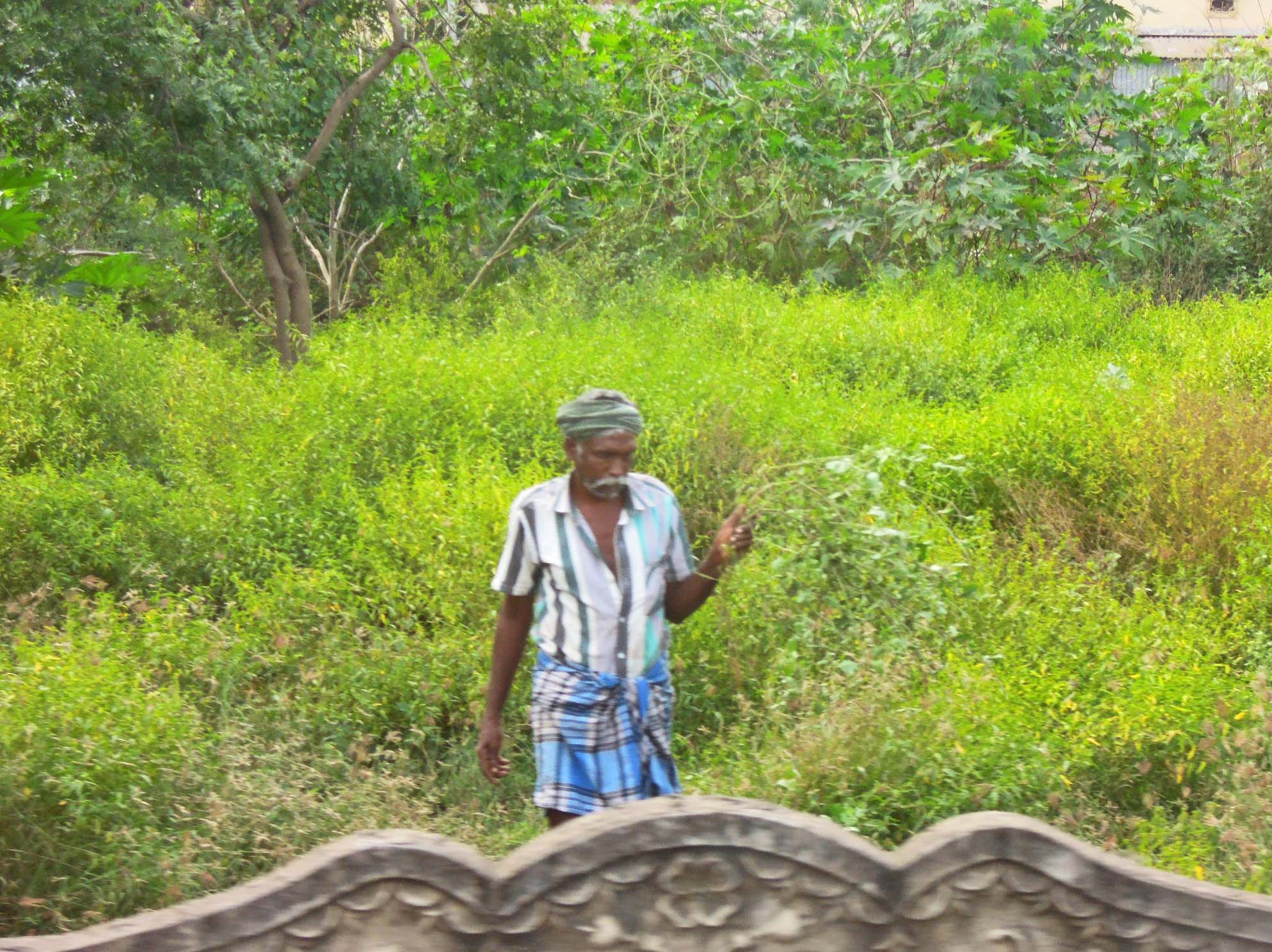
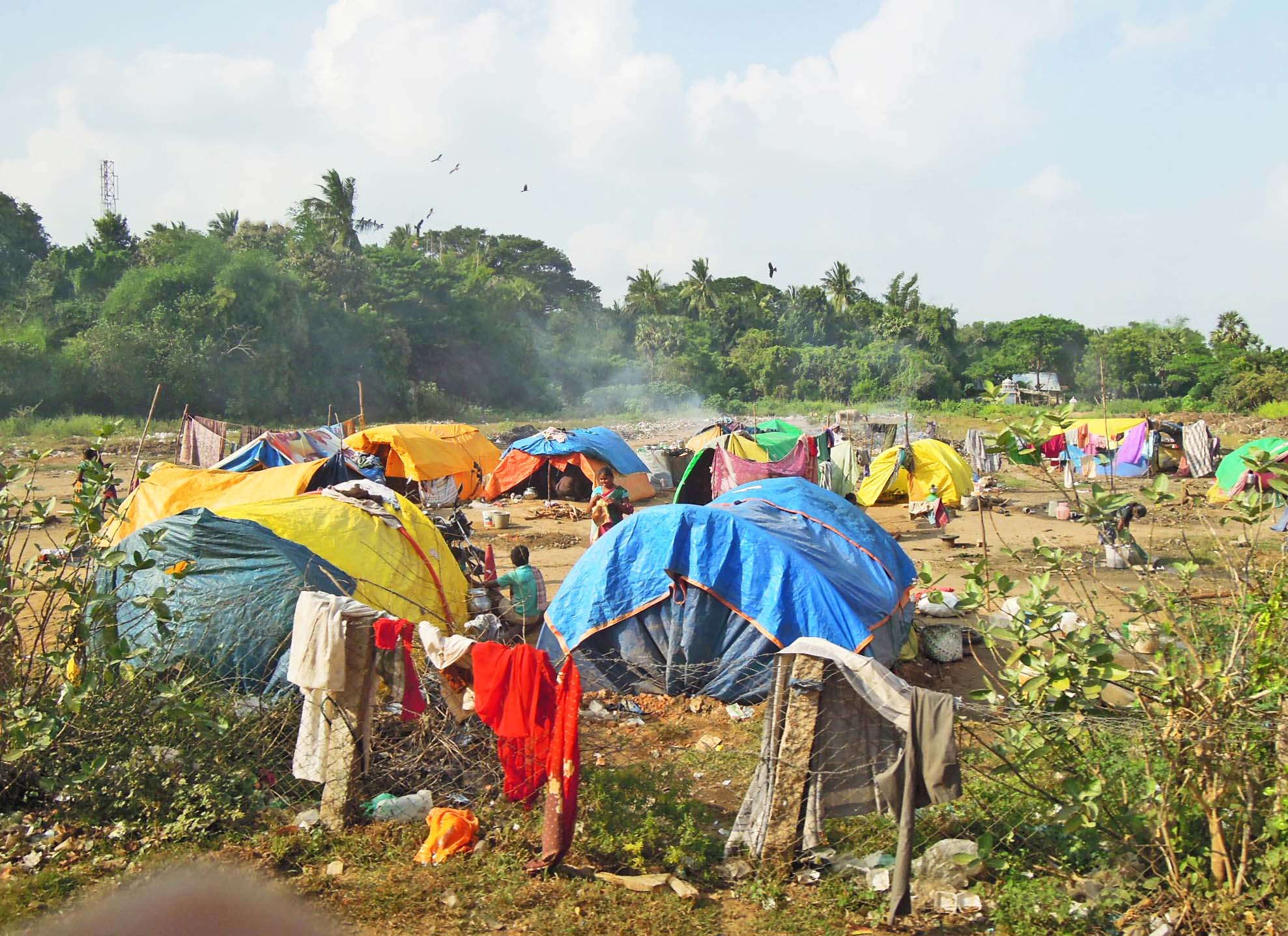
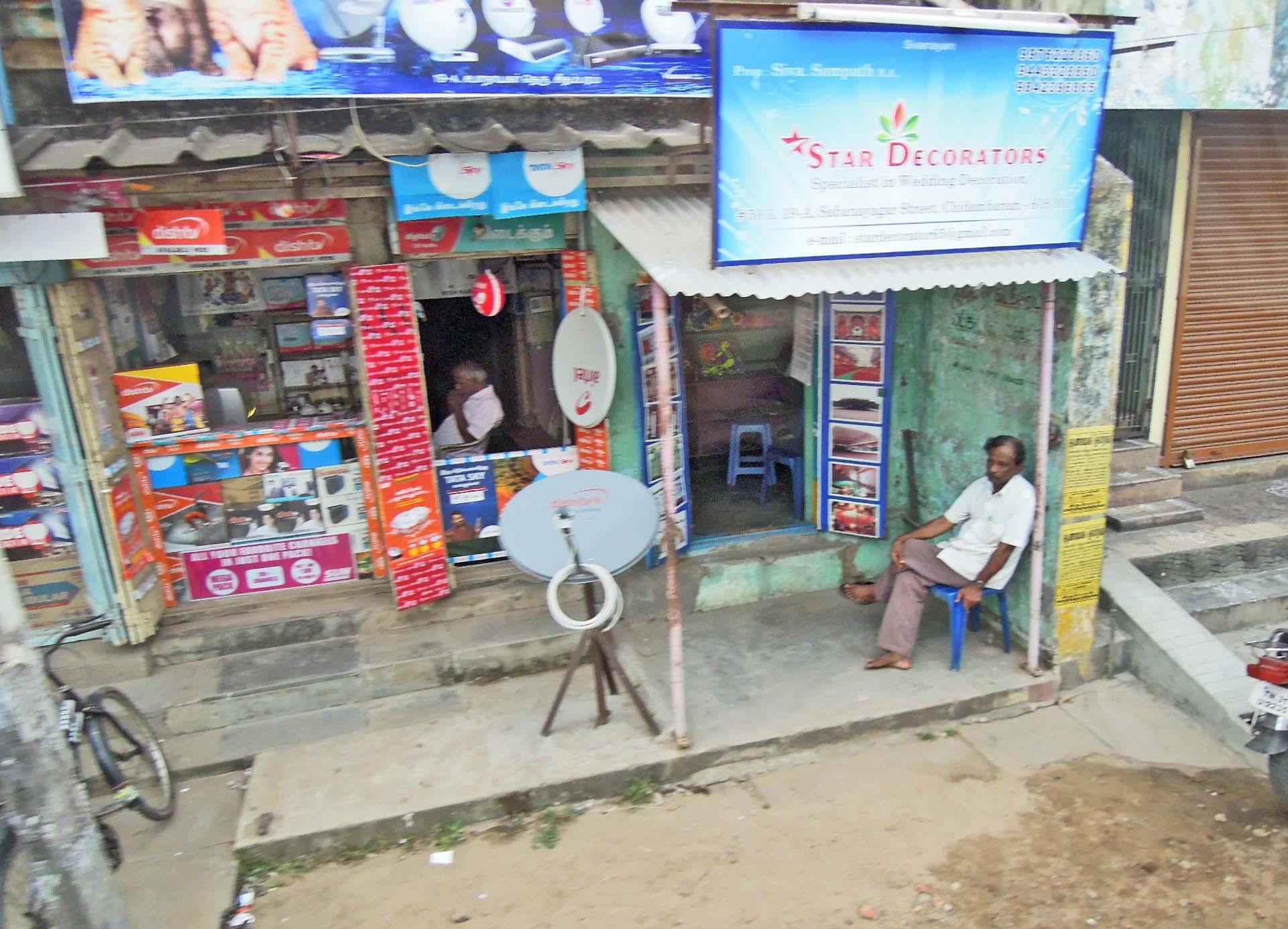
    On this second trip to South India, I was even more conscious of the protective bubble in which we traveled.  I am not afraid or ashamed to admit that some of the places through which the bus drove would have been a big travel challenge for me without the bus and knowledgeable, competent, supportive guides.

    These photos were mostly taken on a long day’s ride that became that much longer to encompass a detour to incorporate a last minute addition to the itinerary of an older and beautiful Shiva temple (I took the photo of the jackfruit vendor I posted last week after this temple visit).  The detour was one of those only 20 kilometers extra detours that turn out to add three hours to the trip because it shifted from the main road to tertiary roads–I’m sure you, like I, have done that in the mountains somewhere), and it was truly someplace else from where I am used to being.

    It was hard to be on the bus for those extra hours, but it was powerfully interesting to observe.  Do click on individual pictures to see detail and facial expressions and in some, of course, the signs.

    bus ride 1a bus ride 1b bus ride 1c bus ride 1d bus ride 1e bus ride 1f bus ride 1g bus ride 1h bus ride 1i bus ride 1j bus ride 1k bus ride 1l bus ride 1m bus ride 1n bus ride 1o bus ride 1p bus ride 1q bus ride 1r bus ride 1s bus ride 1t

  • | |

    Expanding Your Edge

    Thursday night,  I took a dance improvisation workshop at Dance Exchange, the second in a series of three workshops.  One of the exercises we did was in groups of two.  The game was to do simultaneous improvisation.  Without designating a particular person as a leader, each dancer was to try and stay in synchronized movement with his or her partner.   When we were done with the exercise, some of the dancers talked about their goal having been to be in control of the lead or trying to push their partner past his or her edge.  I had been innocently (or perhaps naively) unaware of these dynamics, as I had been seeking to find where the dance could be the leader rather than either partner.

    After the workshop, when I was walking to the metro with the teacher and another participant, both of whom are performers in their 20s, I raised the issue of people trying to push others past their edge (I’d held off raising it in the group as it seemed too many were in a different space).  I said that knowing that my partner was a lot less flexible than me, though lots stronger, and knowing his competitive edge, I never would have tried to push him beyond his physical limits.

    The teacher said he liked being pushed past where it seemed like a good idea; it made him get to another place.  I agreed that it is good to try to expand, to go beyond what we think are our limits.  I have been taught, though, by my teacher John Friend, not to blow past my limits.  Rather, in the practice of Anusara yoga, we seek to be intimately and exquisitely aware of our edge at every moment, and then expand it.  The game with the partner using this paradigm would have been to find the edge and then see if the dance could expand it rather than to try and exert control or see if we could push our partner past his or her limits at our partner’s risk.   When we operate in a paradigm of straining and striving, or we push for control or try to compete with ourselves or with others, that is where we get injured.  I’ve had my share of dance injuries, I added, but to continue dancing through the decades, I cannot be blowing past my limits, though I am still growing.  I was not sure that what I said felt relevant, but I could also tell that it was information that went into the thought mix for later.

Leave a Reply

Your email address will not be published. Required fields are marked *

This site uses Akismet to reduce spam. Learn how your comment data is processed.