A Binding
I wanted to share this article on “ecotherapy,” a term I had not heard before. I found the article interesting because for years now, I have gradually practiced all the elements listed in the article as treatment for depression, not because I had been told by a therapist to do so, but because, despite my feeling the repercussions of going against the grain, I felt happier and healthier settling in one place, traveling more slowly, connecting with my pets, and tending a small patch of nature.
These shifts in lifestyle simply feel to me more in alignment with my own nature and that of the earth. I found, incidentally, it gave me much more time overall to do things. People ask me how I do so much (usually referring to the day job, the yoga teaching, the gardening and cooking, the volunteer work). Thinking of the way they live, and what they do, they ask when do I rest? I say that my life is in fact rather slow and restful. I rest when I meditate. I rest when I am taking the time to make a home-cooked meal — every day when I am in town, often two or three times a day. I rest when I am tending the garden. I do not think of cooking and gardening as chores, but as ways to nurture myself.
I rest when I am commuting because it is on foot or sitting on the bus or metro (note: instead of getting anxious or angry when metro is slow, think of it as an opportunity to draw into yourself and meditate, contemplate, or read).
Not having moved or changed jobs in years, even though there have been serious challenges with both where I live and my job, I had the time, money, and energy that would have been used up in a major upheaval, to engage in the study and practice to become a certified Anusara yoga instructor, and before that, to study drawing and photography and to exhibit my art. Staying in place, I continue to have time to study and to read (not watching TV helps alot, too, for finding time). The choices are different with children in the house, but it is still possible to make choices that require less racing around for the family.
This, to me, is a larger aspect of vinyasa krama, the art of sequencing. When we sequence how we move in space and time in a holistic, sensitive way that honors the rhythms and cycles of our bodies and the earth’s, then we feel less trapped or overwhelmed. When I was trying to keep up with society, I was often sad and anxious. Now I am much less so. I have often attributed it to these choices. Now, I see, society has given us a word for it — ecotherapy. With a word coined for it and put in the press, will people feel more comfortable practicing it?
I hope this newsletter finds you all as well as possible. It’s been a time when I’m feeling oh so fully aware of the vagaries of fate, the wildness of being, the play between the wholly unpredictable and the ordinary and expected, and the joys and benefits of aligning with a sense of order to feel healthy, adaptive, and present to what comes our way. I’m feeling that I am at a crossroads (this is partly physical), but I don’t have particular plans.
This summer, I listened to my own teachings, and in the midst of tending to the responsibilities of work and home and community and relationship, I made sure to take the time to to study and practice, including time away with opportunities to see the stars, to watch the sunrise, to walk in the woods, to swim in a lake, and, on the way to and from, to enjoy New York City.
As always, I’ve been reading widely, much of the reading focused on how we communicate and relate, what we dream, and what tools or ideas we might consider for making more efficacious our web of living relationship. In the fall, I’m looking forward to attending a number of weekend yoga workshops to inform my own practice and also going deeper into studying nonviolent communication.
For now, in the midst of this outrageous dance of life and relationship, with all that we cannot control and the unfolding turmoil of climate and society, I think that what is most important to me is to work with dedication and with my best attitude, to do community service and engage fully as a citizen, to laugh and share food with friends, to make art, and to connect the broader ecosystem, even if it is mostly through my little garden and the trees and the sky of the city. I meditate and practice asana so that I can live such a life as fully, honestly, joyously, and with as much integrity as I can.
The Tuesday night yoga practice at William Penn House continues as an opportunity to nurture our embodies selves and to share conversation about how the practices can help us live more efficaciously. I love it when new people or those who can only come occasionally join us regulars. It is generally all level and suggested donation, with all proceeds going directly to support the work camp program at William Penn House. This summer, William Penn House work campers constructed dozens of vegetable gardens for neighbors throughout the city, sharing the joys of urban edible gardening with and making possible healthier eating for those who otherwise might not have had access. Do come join us on a Tuesday night if you can. More experienced yogis can inquire directly about the Wednesday night house practice.
If you want to get more regular communications, do consider subscribing to the blog to get an email version of what I post–most days that will come as a photo or a few words, every once and a while, something longer–mostly somehow about or informed by my own interpretation of yoga practice and philosophy. Feel free also to join me on Facebook.
Peace and light,
Elizabeth
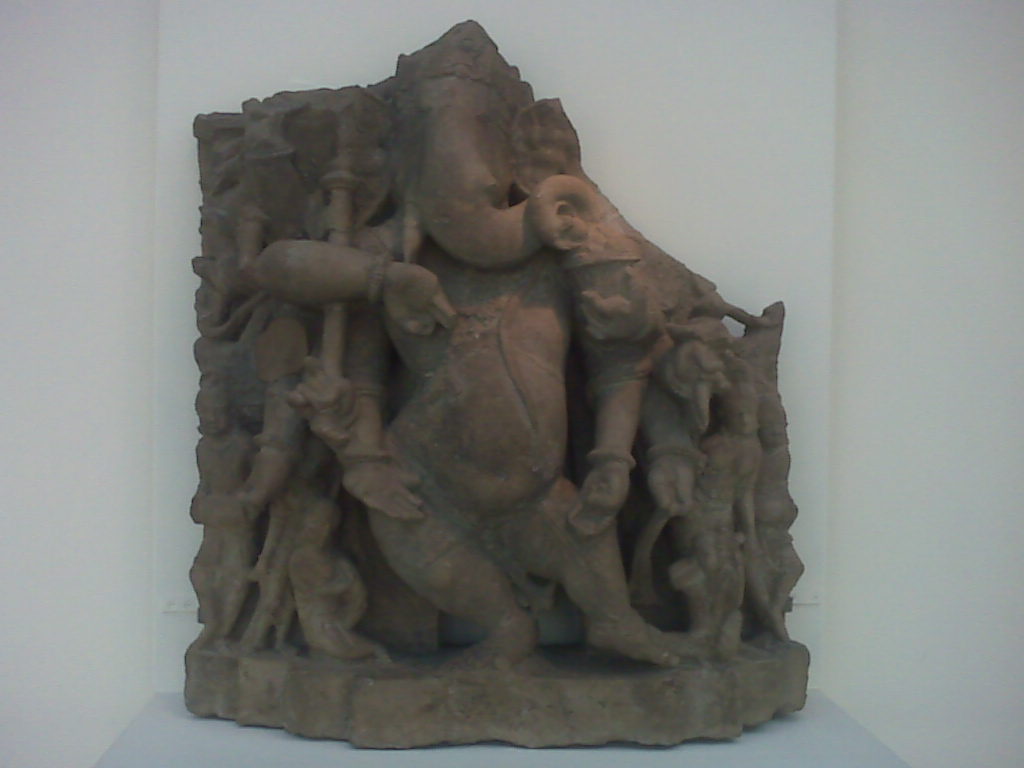
ps The murti of Nataraja was a present just given to me by a friend. He’d brought it back from India a couple of years ago and thought it belonged more in my home than in his at present. I hadn’t seen one that I’d want to bring home, but he’s dancing away on my bookcase.

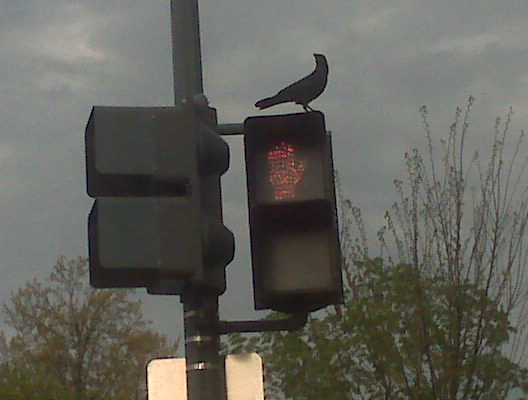
Crow gets on well with
Human, being by nature
Carrion eater.
Peace and light, E — Posted with WordPress for BlackBerry.
Ten years ago today I was in Peru”s sacred valley. I was walking the spiral meditation garden at the retreat center where I was staying when the owner called out to me, “America has been attacked! The others said you would want to know, that we should not wait until you were done with your meditation.” Completely shocked by this summons, I left the spiral by walking across it and followed her into her private home to see the news on CNN via satellite. I felt incredibly, intensely far from home, especially since by mere happenstance none of my fellow travelers were Americans.
Today, I am again thousands of miles from home, having flown on United from Dulles airport to San Francisco, though obviously, California is not nearly as far away from many perspectives. As with my journey to Peru, my trip to California this week is partly to serve my continuing inner journey, partly outward exploration and appreciation, and partly birthday celebration (not on the 11th).
One of the things that was so remarkable about the immediate aftermath of 9/11 witnessed from abroad was how friendly and sympathetic people were who otherwise were not disposed to think kindly of Americans. What an opportunity we had as a country to embrace global unity. What a chance we missed by instead going guns blazing into these obscene wars. We now have to live wih what we have done and start fresh. What can we do to seek peace now? I am working hard from a personal perspective, and I am much more at peace with myself than I was 10 years ago. I have a friend who would tell me that I am only responsible for myself and not for the whole of society, but I wish I could come up with a great and global workable plan of action that would move us towards peace and away from war, but I have not found one yet. In the meantime I will try my best on a personal level because that I can do.
Peace and light, E — Posted with WordPress for BlackBerry.