Last weekend I devoted most of my time to live-streaming the “Accessible Yoga Conference.” This conference, consistent with other workshops on this and related topics involved listening to many personal stories and careful examination of language—what language perpetuates harm and which fosters inclusion, recognition, nonjudgment, etc.
The fact that “accessible yoga” is a thing was observed to be evidence that for all that the yoga philosophy invites recognition and honor of the spirit in all, what is considered “yoga” in the “West”is another microcosm of cis, het, racist, patriarchal, colonialist capitalism.
When I enter into a contact improv jam, I make a commitment. I commit to paying attention with all of my being, to myself, to my partner or partners of the moment, to all the others in the room, and to a spatial, energetic, and creative attention to the dance itself and for the dancers as community and co-creators of the dance (and sometimes for the observers, too).
I think this is not unlike the commitment of the tantric yoga practitioner who ideally engages all of life with a simultaneous attention to the inner and the outer, to the dance between the self and all that to which ones self comes into relationship and to the dance of relationship.
Peace and light, E — Posted with WordPress for BlackBerry.
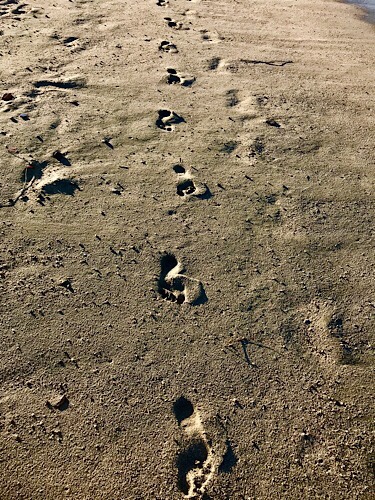
Walking on the beach is a wonderful way, not only to work your feet in a way that is not possible in the confinement of shoes, but also to witness the tendencies of your gait.
After years of paying attention, my feet are fairly straight, and my weight is reasonably distributed. I tend to turn out a bit, especially with my left foot and when walking is more challenging (here, in soft sand on an incline).
Do your feet turn in or out in a way that increases stress on all the joints above your feet?
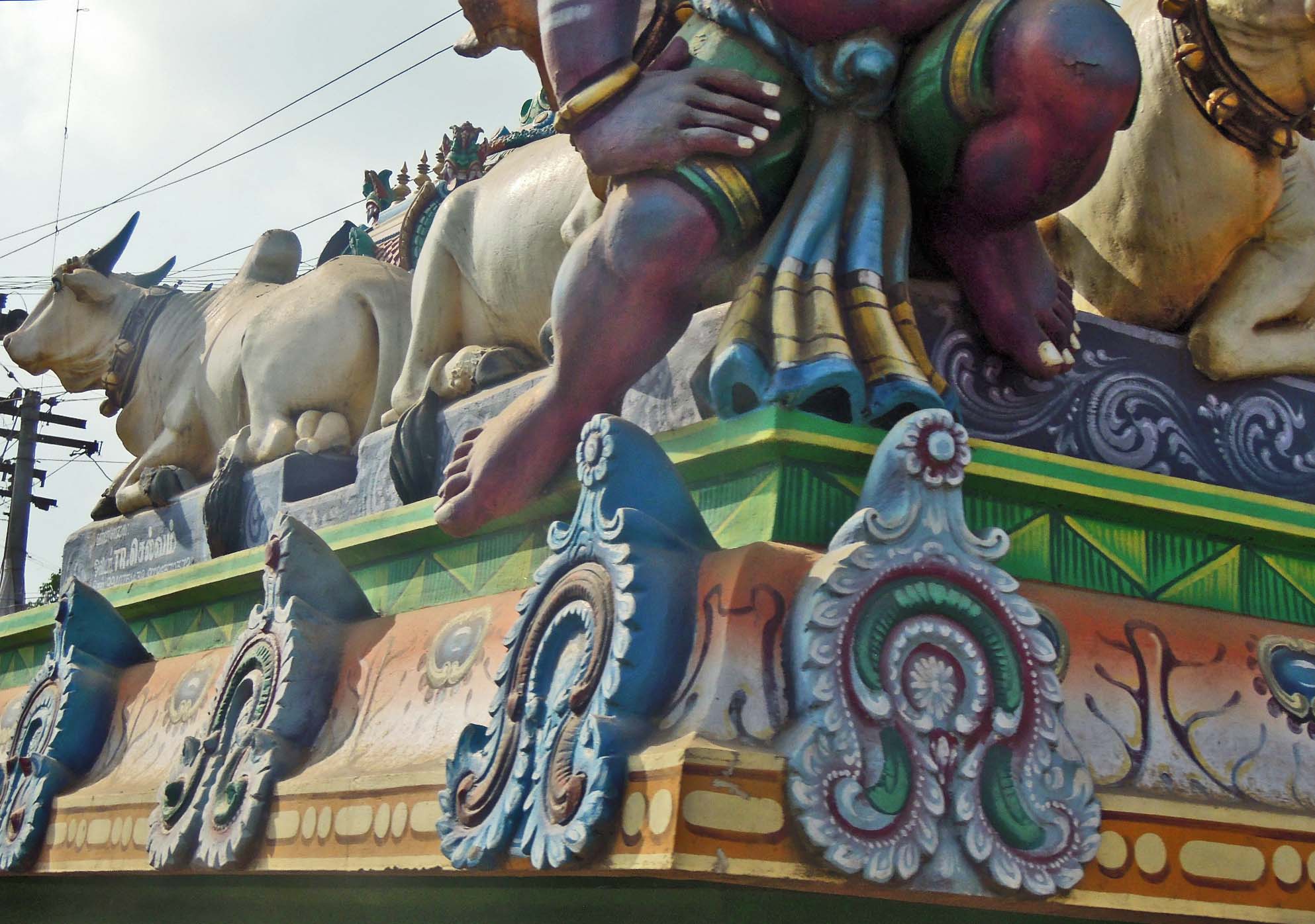
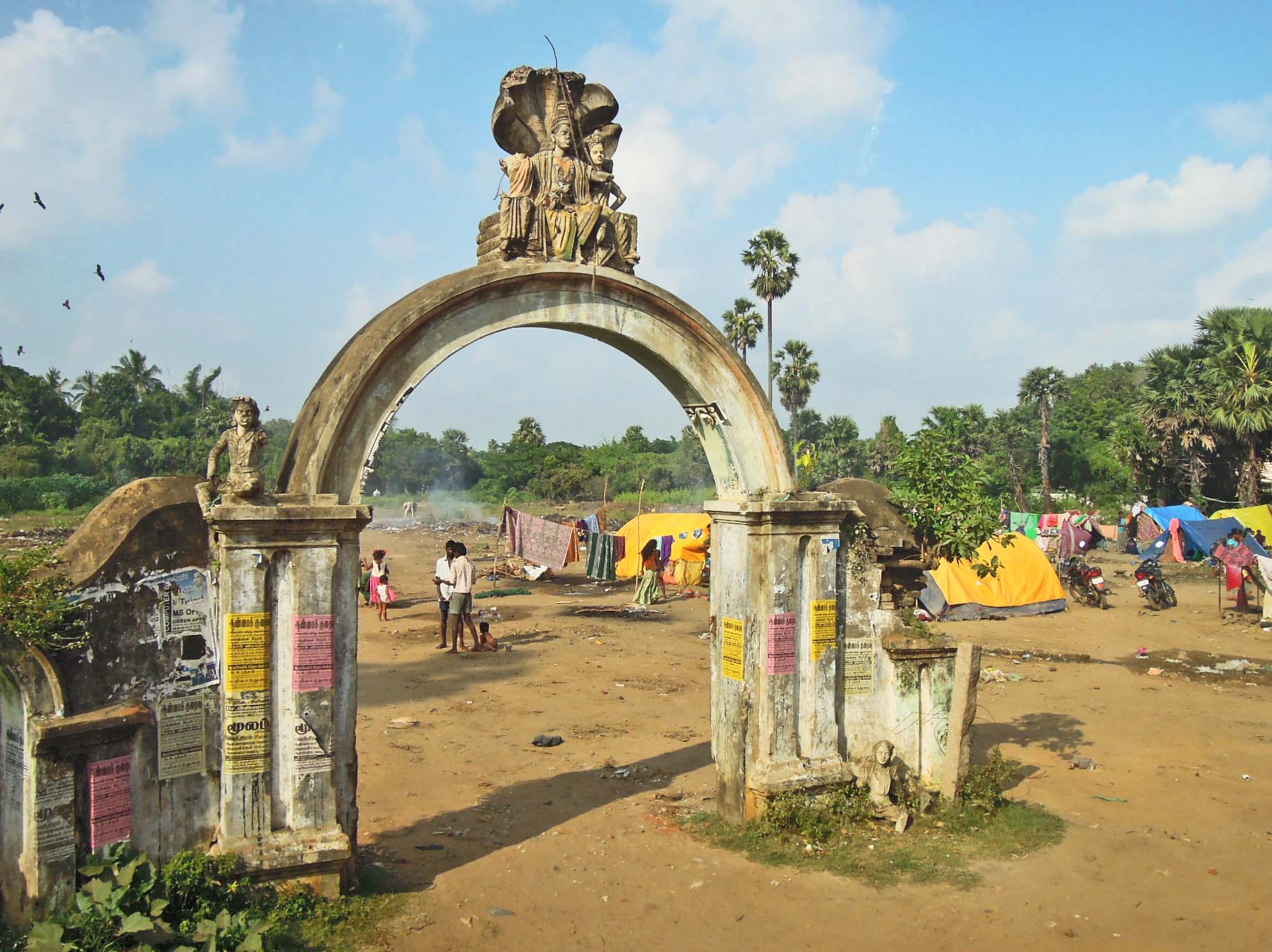
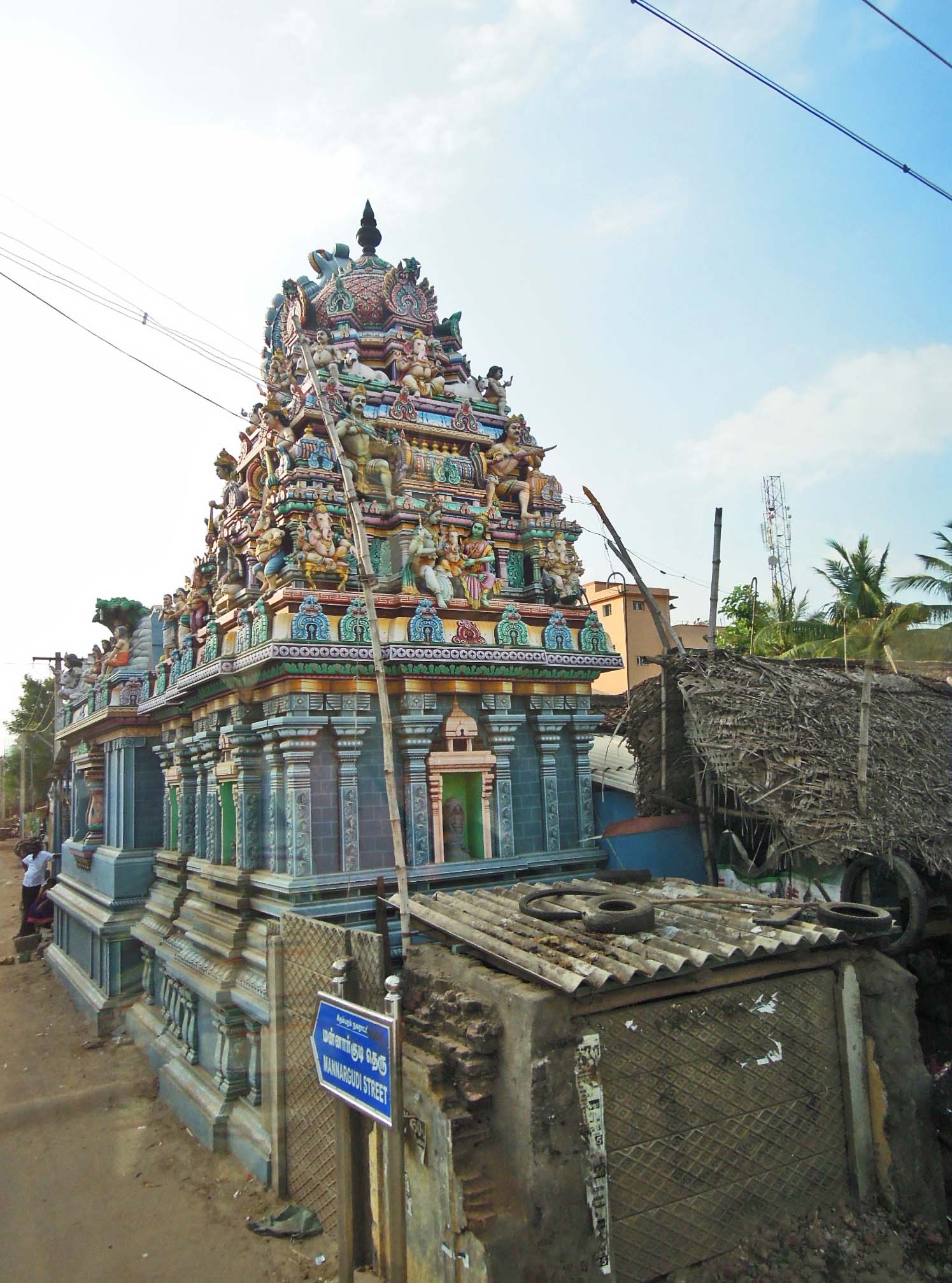
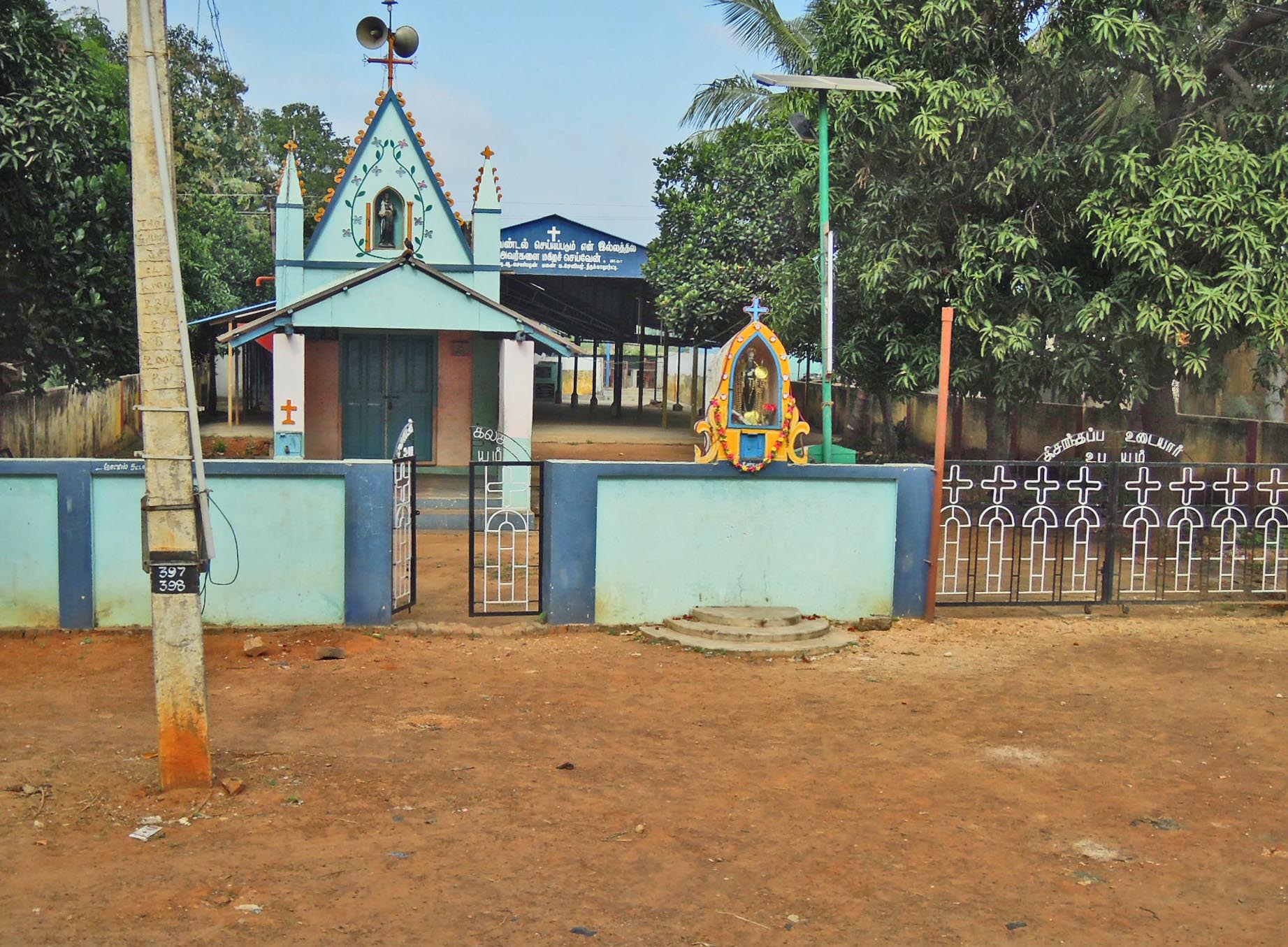
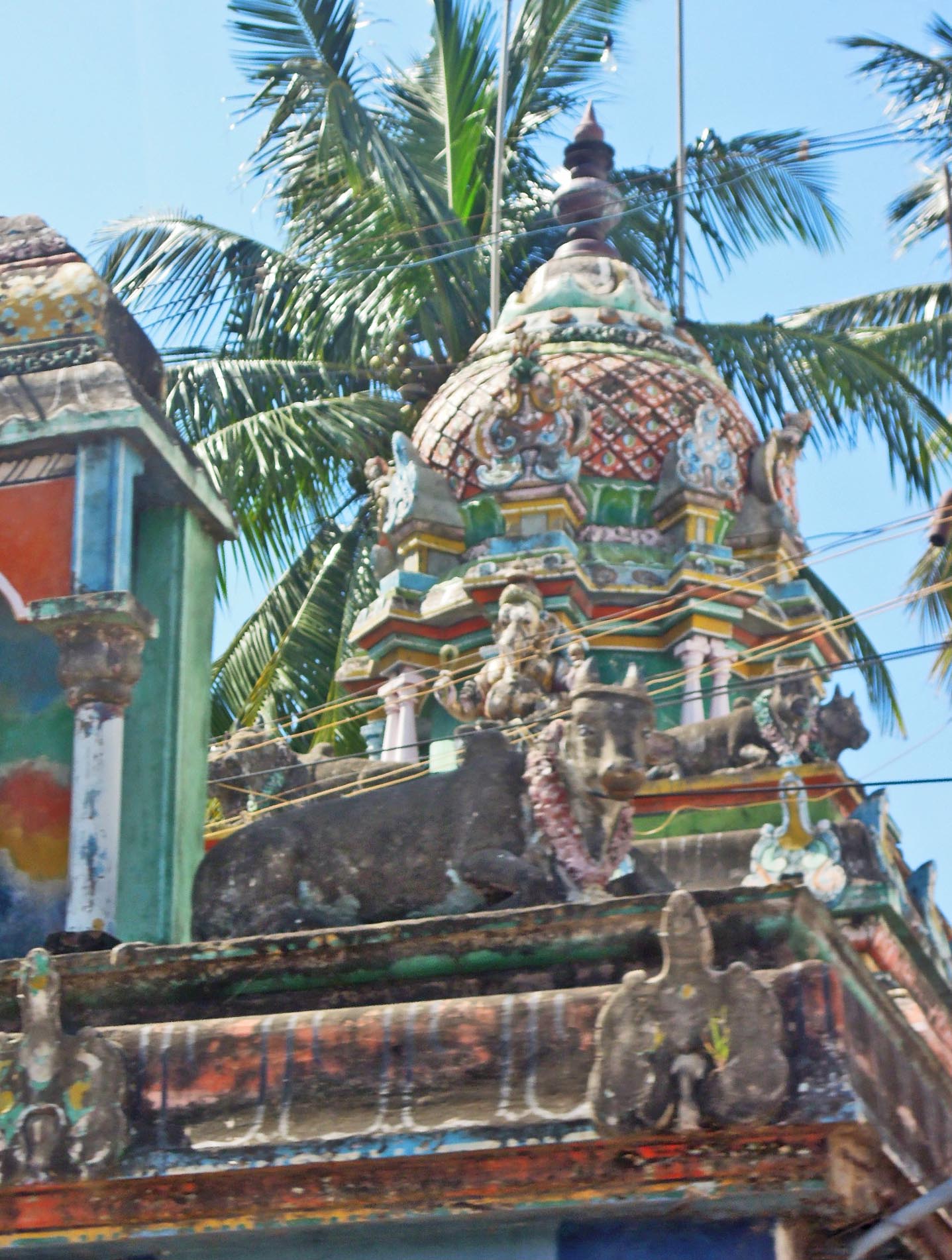
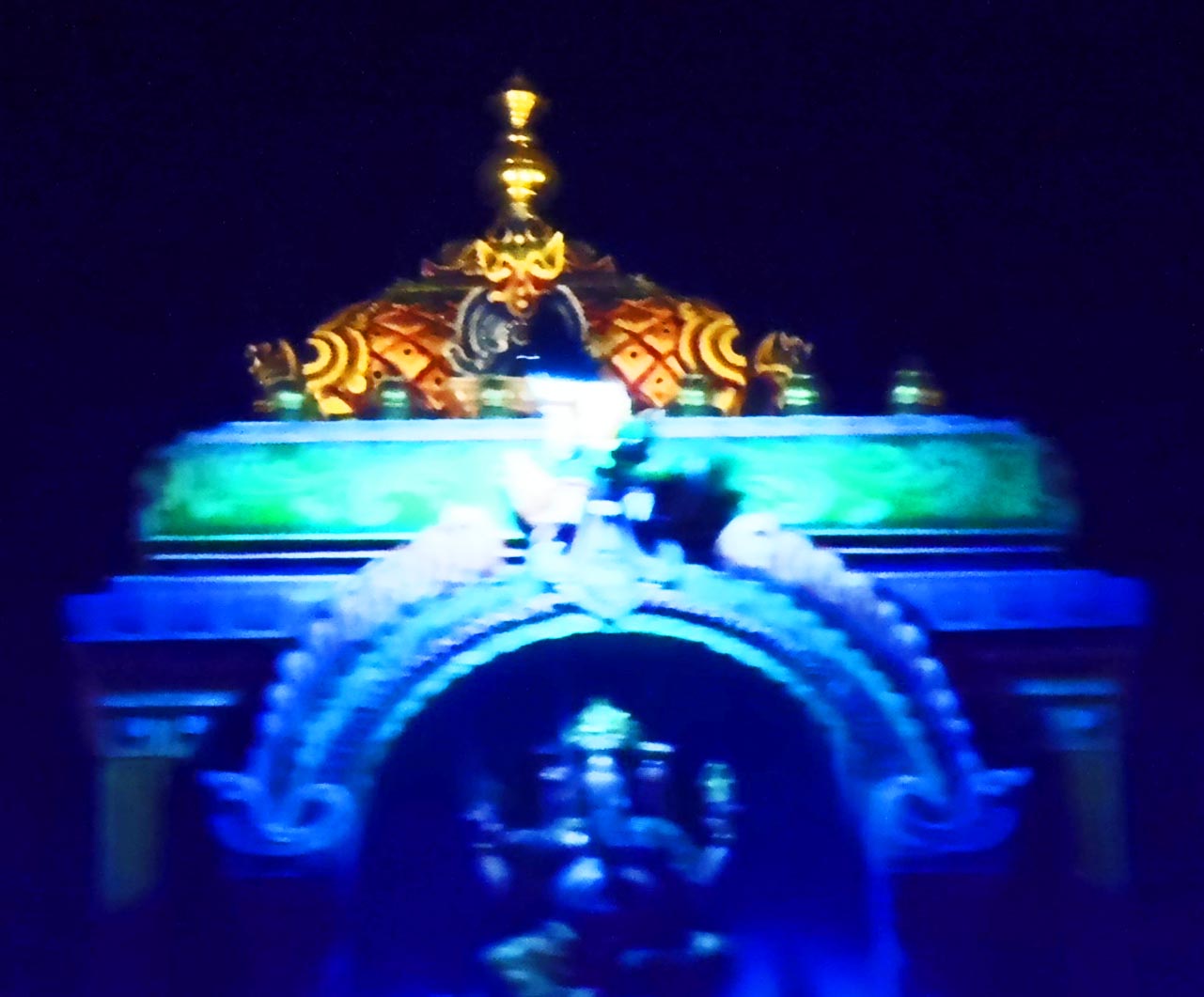
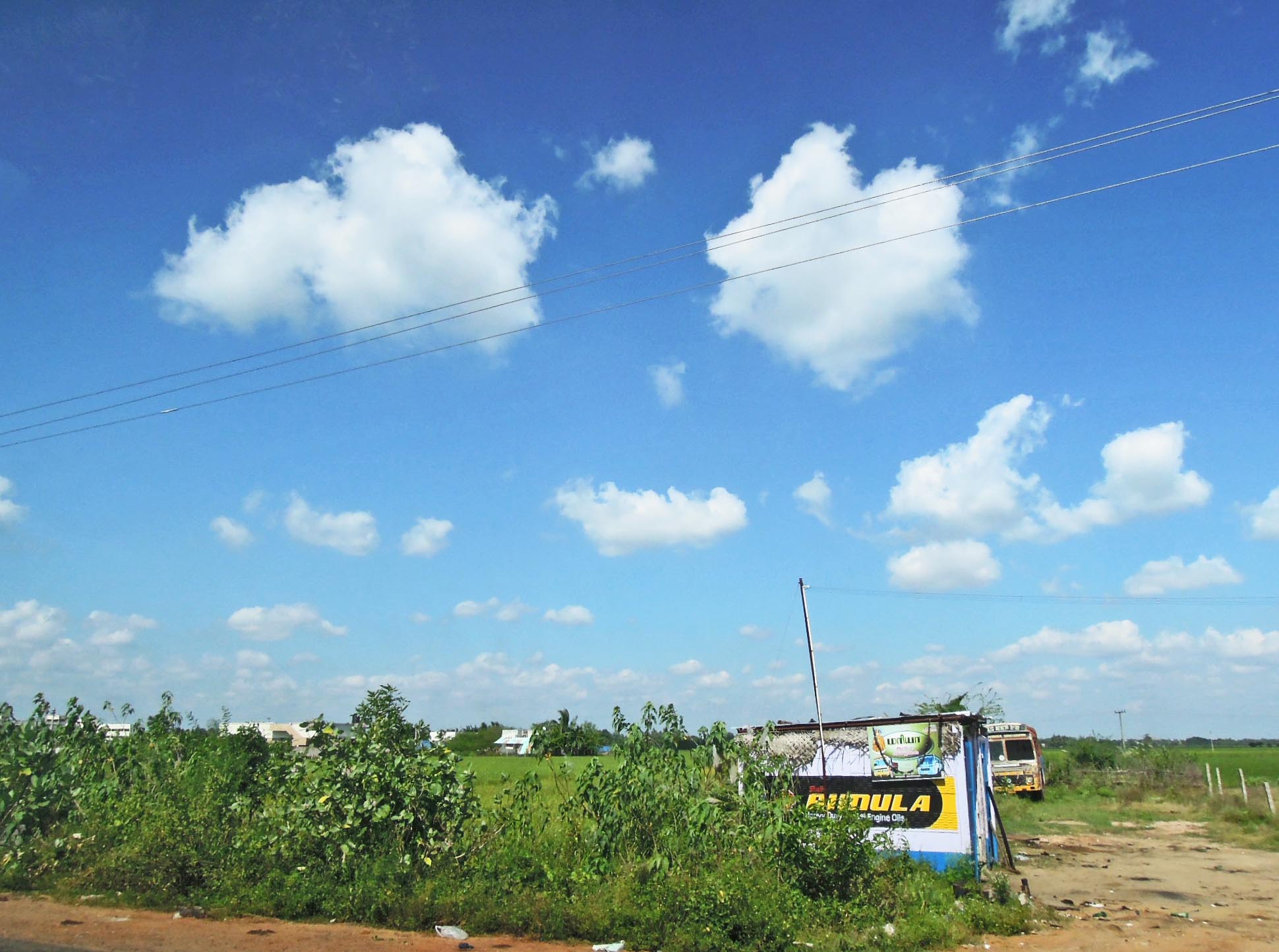
Another self-induced India photo flashback after a long work day reading and writing at the computer with breaks only for shoveling snow and for eating and cleaning up.
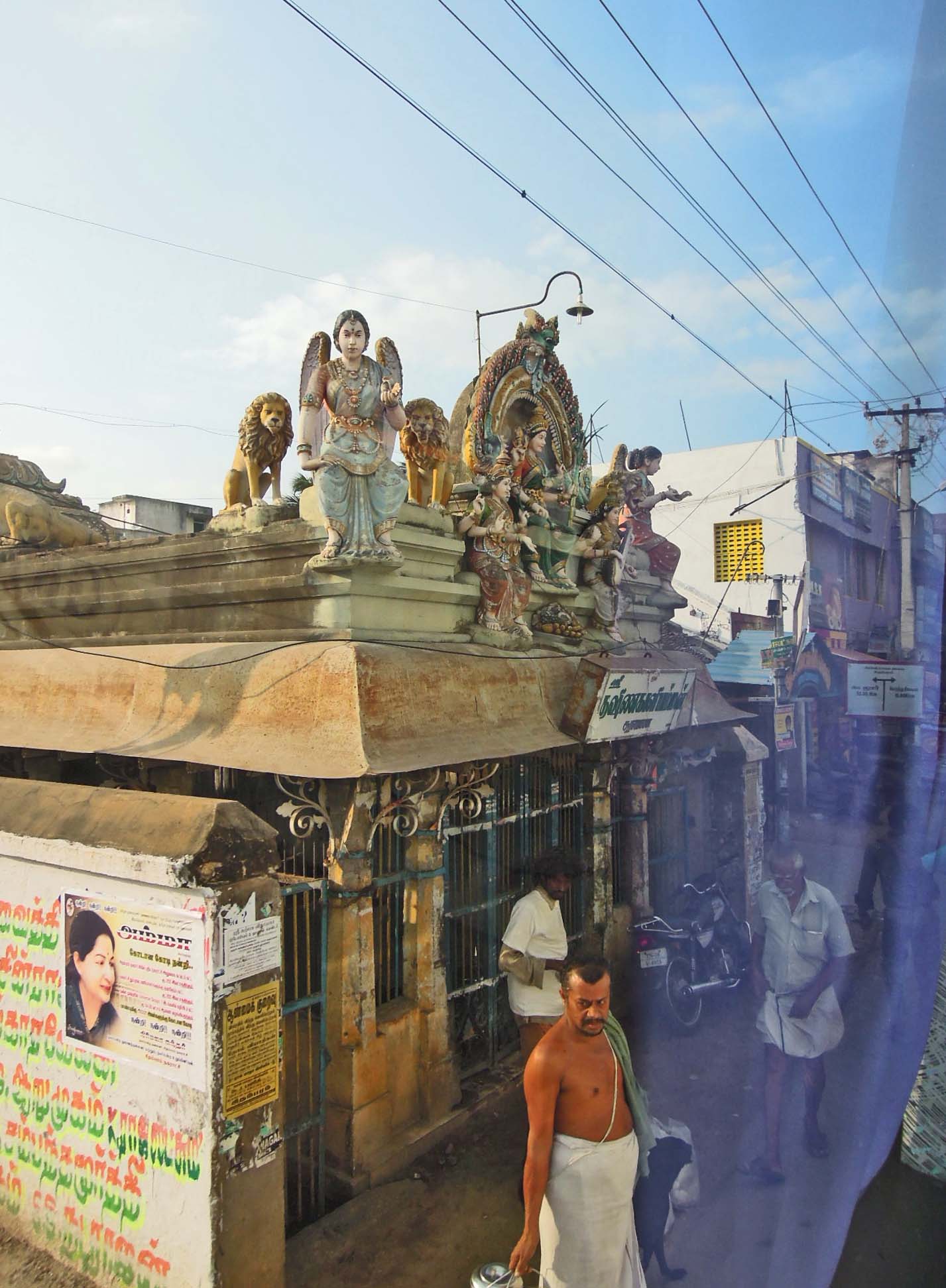
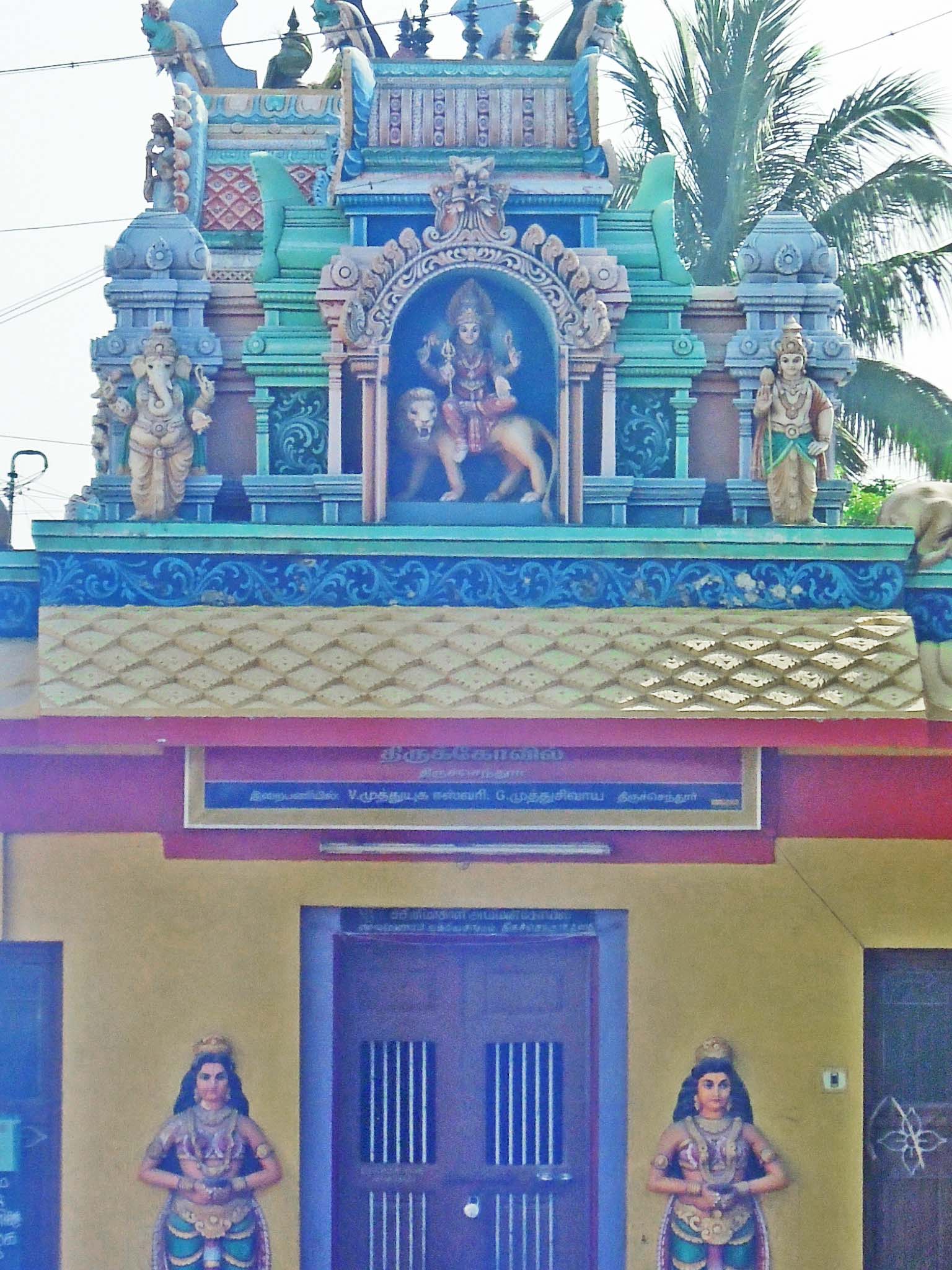
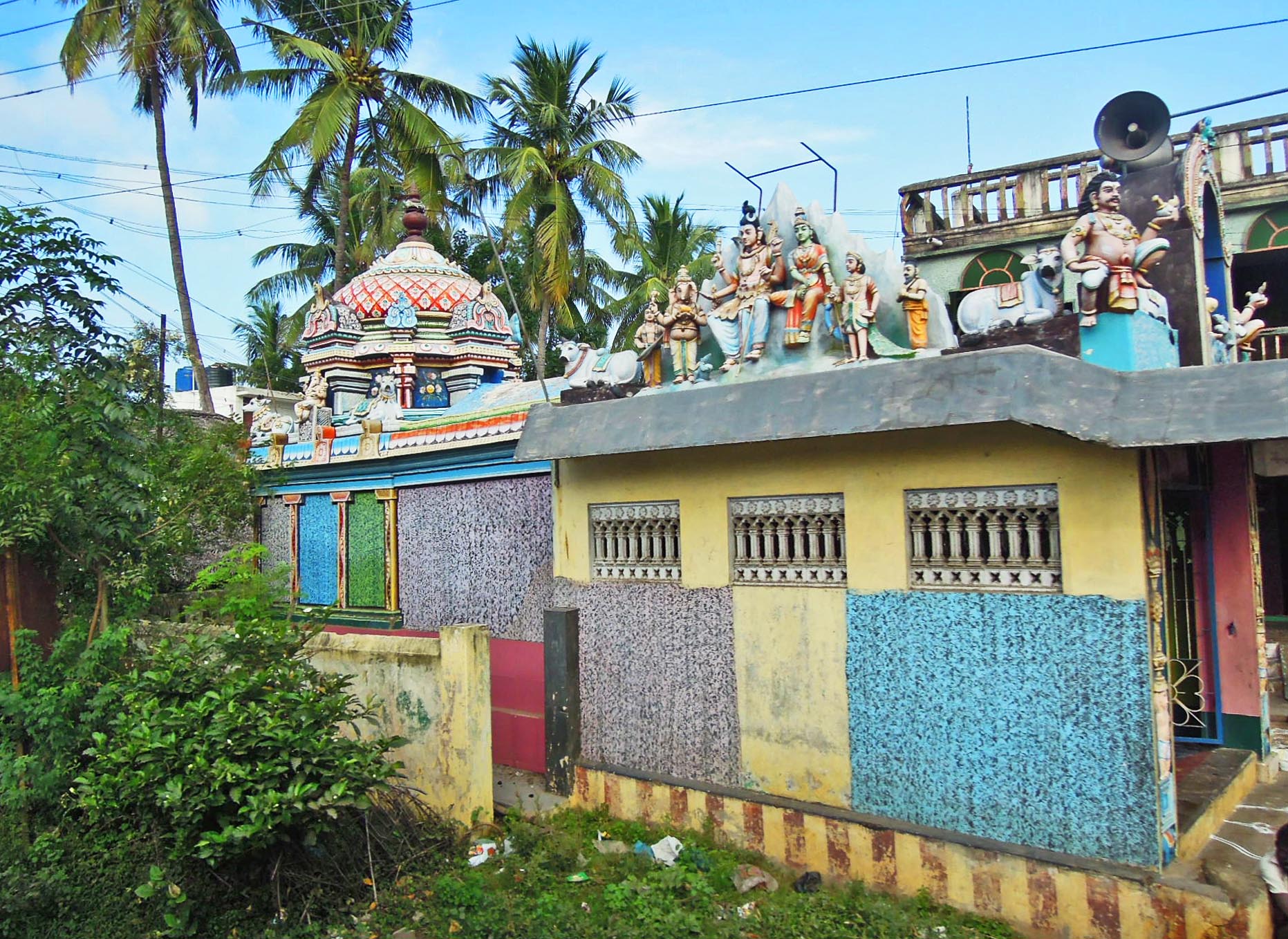
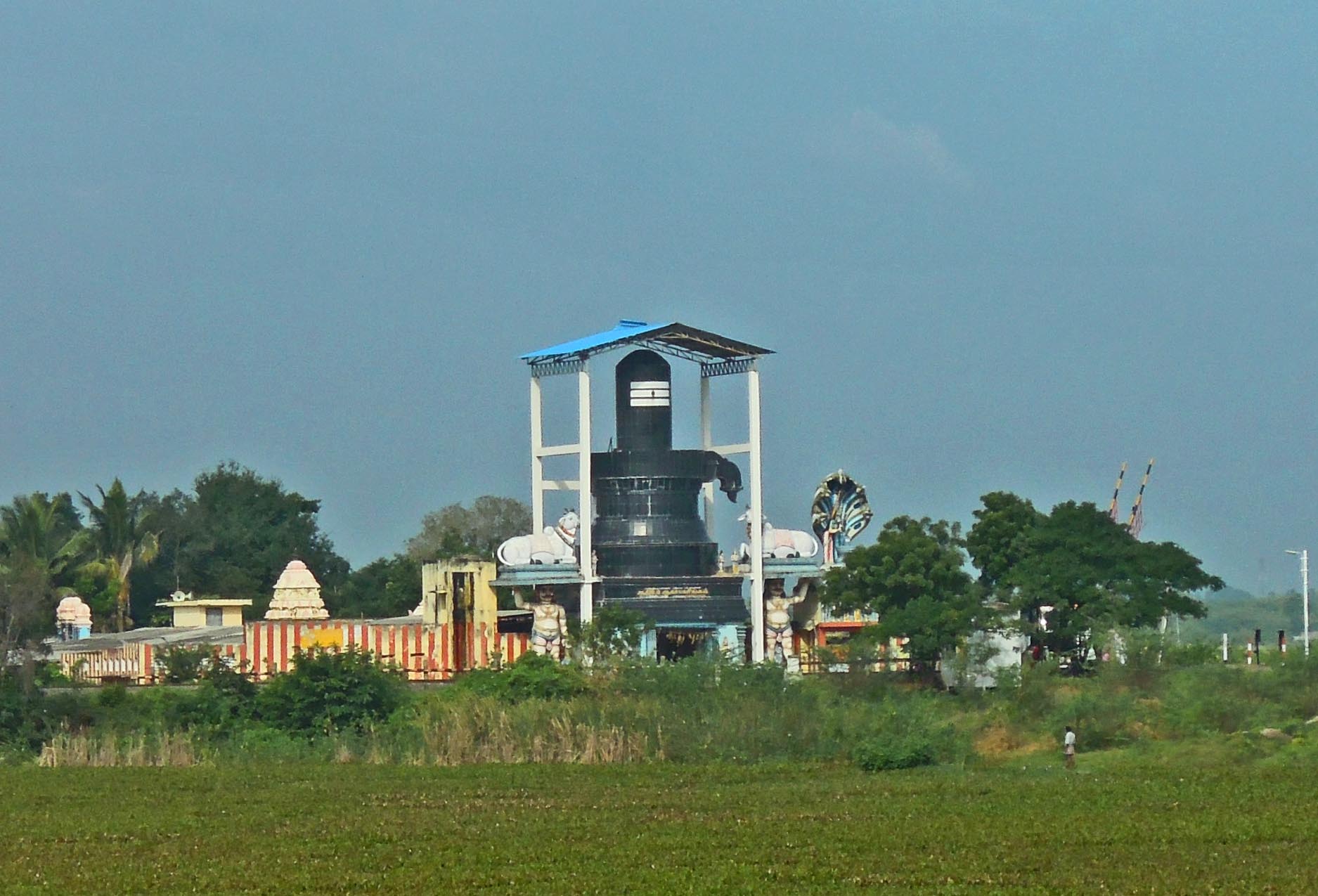
We were traveling on the bus when I saw the Durga temple (the fifth photo–the one with the white glare and flat sky, but an incredible Durga). I suggested to my seatmate that he take a picture with his better camera. I recall it quite reasonably and correctly being pointed out to me the flat, white heat of the midday, humid sky and the glare off of the window would make it impossible optimally to show the intricacy and vividness of the temple.
I snapped a picture anyway. I was seeing things at angles coming and going and with whatever the light was at the moment. I likely wasn’t ever going to be there again and certainly not any time soon.
Sometimes the bus would pause in just the right place for a perfectly composed shot, but mostly it didn’t. In this, the act of taking these photos was much like other aspects of life and practice. Our path is not always certain. Sometimes it is hard to see because there is too little light or too much. Sometimes we have something obscuring our vision. Sometimes we are going too fast and only notice just before it would be too late for that turning.
But even with vision turned or obscured, we are always experiencing something. How can we make the best of each moment of experience? For me, it is meditating and bringing the spacious awareness of meditation to what I am witnessing. Taking photographs helps me witness in a certain way, too.
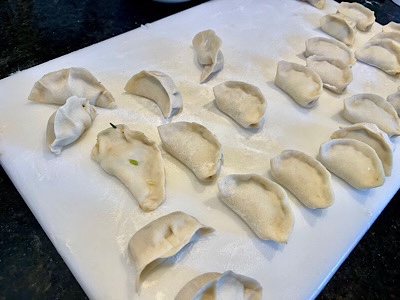
Last Monday I had the honor and delight to be invited to a multigenerational dinner of homemade dumplings at a neighbor’s house.
I was told it was customary for guests to shape a share of the dumplings; the hosts do everything else. As I have not grown up making dumplings as part of group family activity, that meant I needed first to be shown what to do with the already made dough and filling.
Skills used to make homemade noodles, tortillas, and pizza helped make dumpling shaping an accessible activity. It was tricky at first. Two people were showing me two different ways, which was somewhat confusing in an enjoyable way, and helped emphasize that for friendly dumpling making, ultimately, everyone needs to find their own method that works for them. Also, as with many hand skills, because it was the first first time I was being shown, I was simultaneously transposing it from right to left-handed.
It only took two tries to get a dumpling that wouldn’t explode in the pot and lose its filling. It took several more to make one that had nice pleats and blended in with the rest.
We had an interesting discussion about the difference between learning by eating several variations and then reading several recipes and then trying to replicate a version that resembled what I had eaten prepared by someone who learned from childhood as part of a multigenerational group process.
I have long contemplated, and continue to do so, how my comfort in learning anything from a book and then seeing if I can do it or something like it, has shaped my meditation and movement practices.
It’s pretty easy to see which dumplings I made. No difference in taste. I was also happy to contribute garlic chives from the garden.