Signs Around Town
Today I had the honor of leading an online practice for some of the staff at the Latin American Youth Center to give them some support for their incredible service.
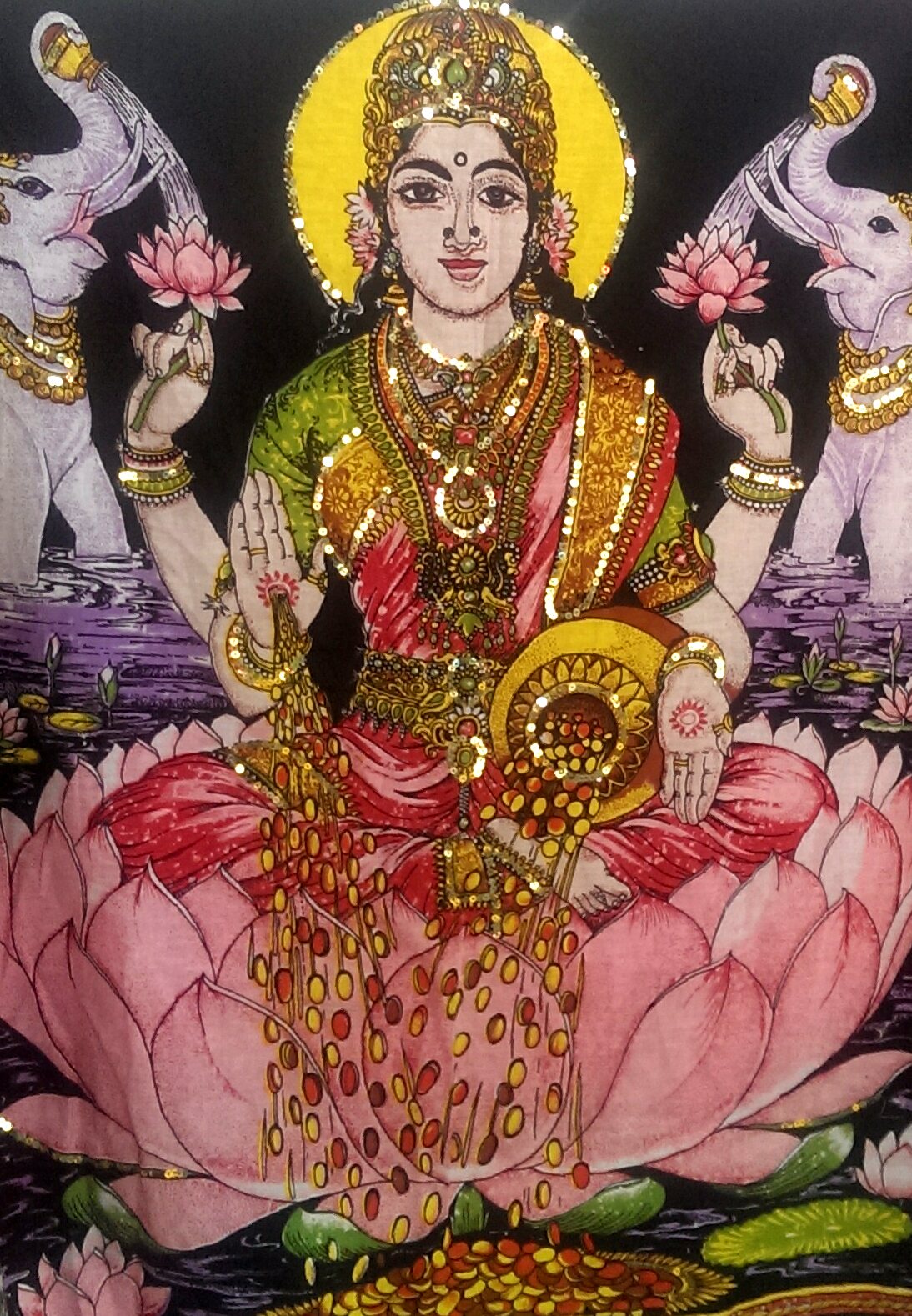
This was from a walk a few days ago.

Today I had the honor of leading an online practice for some of the staff at the Latin American Youth Center to give them some support for their incredible service.
This was from a walk a few days ago.
said the guy who is doing the exterior painting and repairs to me this morning, after we were talking about what needed to be done with the stairs, and we talked a little to the downstairs resident who was on his way out to work. Then he paused, after thinking about what he had seen of my house and garden and added, “unless it is cultivated.”
“Yes,” I replied, “it is cultivated.” I will never be completely easy-going, but at the same time as some might wish me more easy going, one of my strengths is my attention to detail and my ability to create order. I cultivate, though, an ease with necessary disorder — the disruptions that come hand-in-hand with construction, repairs, creation (art, kitchen, garden, home), growing relationships, and comfort where I am. We may not be able to change our nature, but we can make shifts that ease our being. Radical affirmation in yoga is accepting our tendencies, but then seeking shifts to make life even fuller.
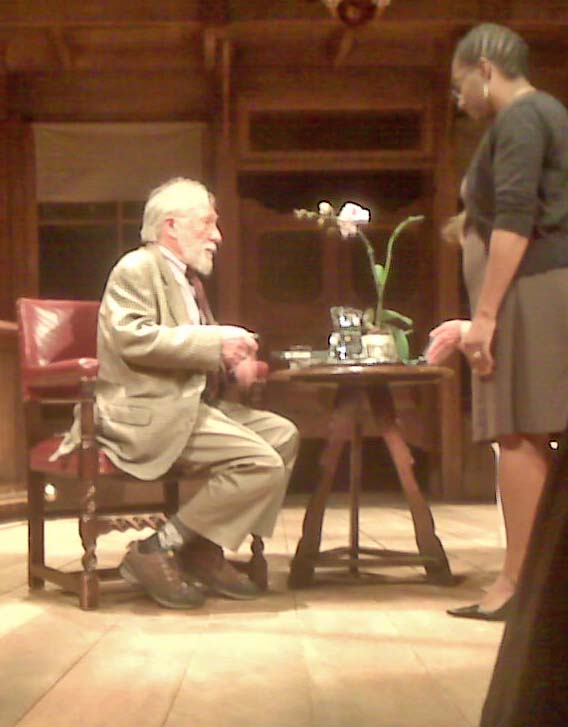
Last night I had the singular pleasure of hearing Gary Snyder read his poetry at the Folger Shakespeare Library. At the end of the reading, Mr. Snyder answered a few questions. In response to one question about advice he gives to aspiring poets, he said: “Don’t be journalists. Do hard physical labor that leaves y0ur mind open.” This is not surprising advice, coming from one who has chosen a life requiring regular manual labor. “Meditate only for its own sake,” he added, in an apparent non sequitur and without elaboration.
Gary Snyder’s poetry is evidently influenced by his dedicated study and practice of Buddhism. The insight and clarity of his poetry surely reflects not only his intellectual study, but the deep wisdom of a dedicated, long-standing, and steady meditation practice. The advice to “meditate for its own sake” seemed almost the offering of a koan by the master (poet) to his pupils. Meditation, in my experience, definitely enhances clarity, insight, creativity, and health. Meditation is not meditation, though, unless when engaging in meditation that is all one is doing and without any goal (like the “actionless action” of the Bhagavad Gita). It is the deepest of practices to engage fully, but not be doing except for the sake of doing itself (and in alignment with the deepest truths).