Open Sky Meditation
I spend a lot of words on this blog extolling the benefits I have perceived in myself and in my students from the various yoga practices. I also candidly admit (when asked) that not all practices are for every one and certainly not all of the time.
It probably seems obvious that challenging asana would not be right in the presence of certain injuries or illnesses, even if asana practice, which is good for our strength, balance, and flexibility, among other things, is generally beneficial overall. Being an advanced practitioner entails in good measure being sufficiently sensitive and aware of our edge day by day and even moment by moment in our practice so that we expand our capacity to live life to the fullest without blowing past our edge out of ignorance, carelessness, or ego and needlessly injure ourselves.
What is more subtle is finding the same edge in meditation. I am not talking about physical discomfort sitting for meditation. That can be easily remedied with appropriate props, for example a cushion or chair. There can be such a thing as too much meditation or not the right type of meditative practice for certain practitioners or under certain circumstances. Going deeply into the self beyond the surface level of thought can release things that had been buried. We may not be surprised if we have nightmares or anxiety dreams when life is presenting us with lots of challenges and difficulties. It may be more shocking, though, if negative thoughts or emotions come up when we sit for meditation. Meditation is supposed to be benign and health-optimizing.
One way to deal with the shock is to stop, but then we lose the wonderful benefits of meditation. What is more optimal is to learn where is our edge in meditation, just as we do for asana. As we get more proficient and experienced with meditation, if things are coming up that are difficult to handle, we learn when to shorten our time sitting, when to add in more physically comforting and boundary-enhancing asana, and how to release the negative stuff that is arising without it impacting our lives or relationships.
The challenge is that it is precisely the steady, intense practice over time that gives us the insight to know when the practice is too much at a particular time. For me, finding the edge where I can expand perfectly can be a challenge, but is ultimately and completely worth my while.
For some of the alleged dark sides of practice, try entering into your favorite search engine “meditation side effects.” Then read with appropriate skepticism; it is the internet after all, and you should be as skeptical about the claims of the negative aspects as you might be or once have been of the potential benefits of the practices.
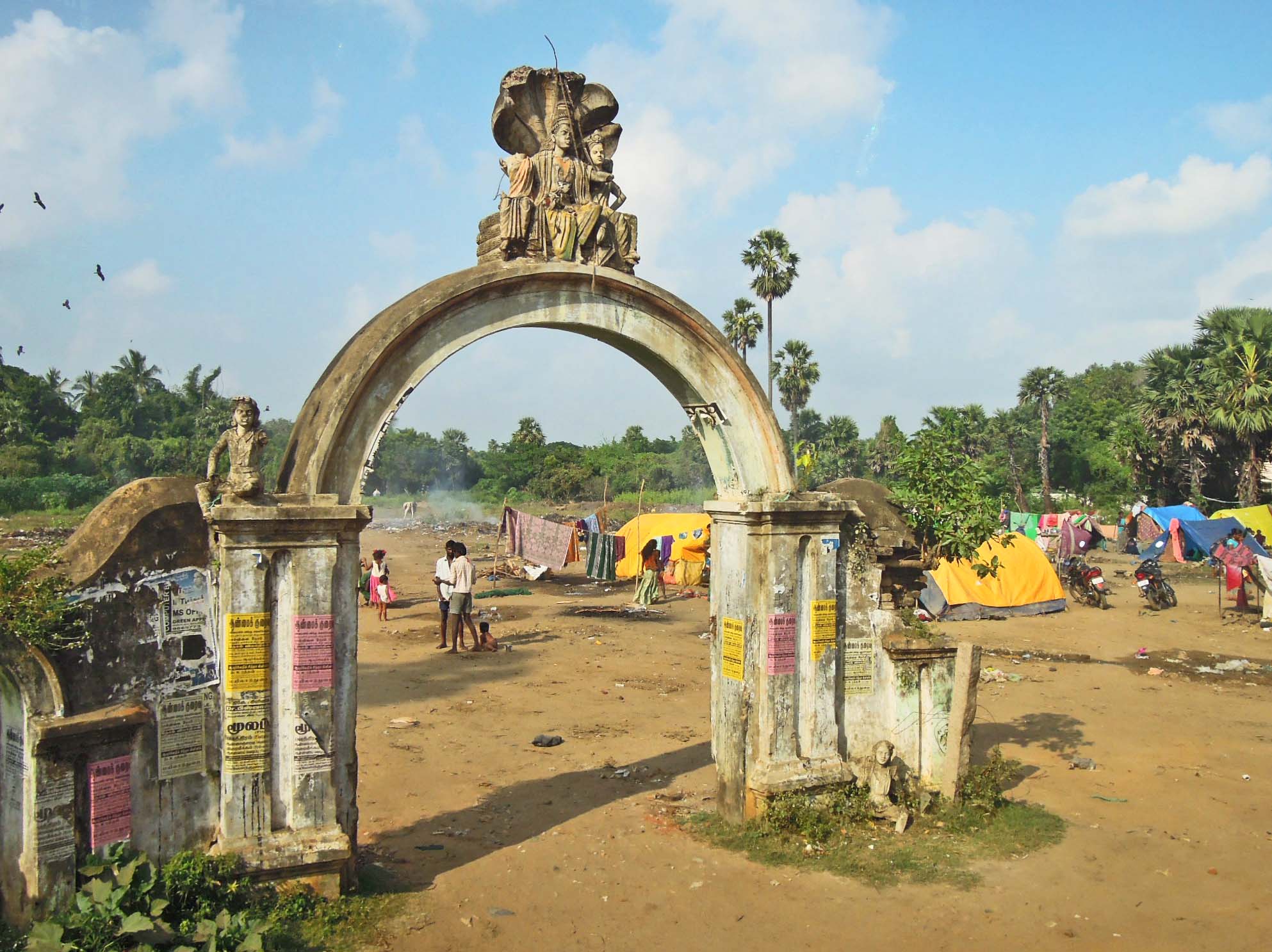
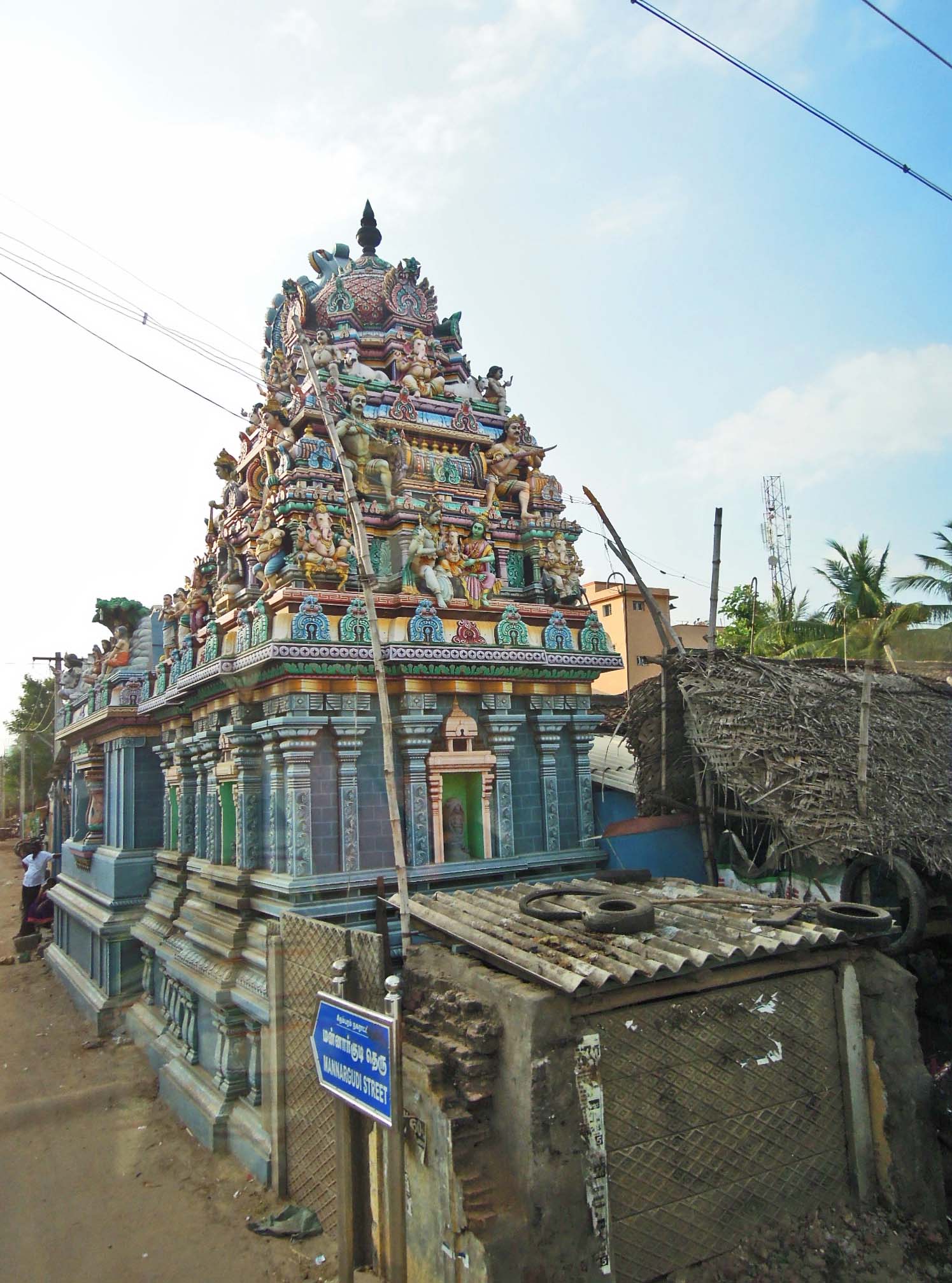
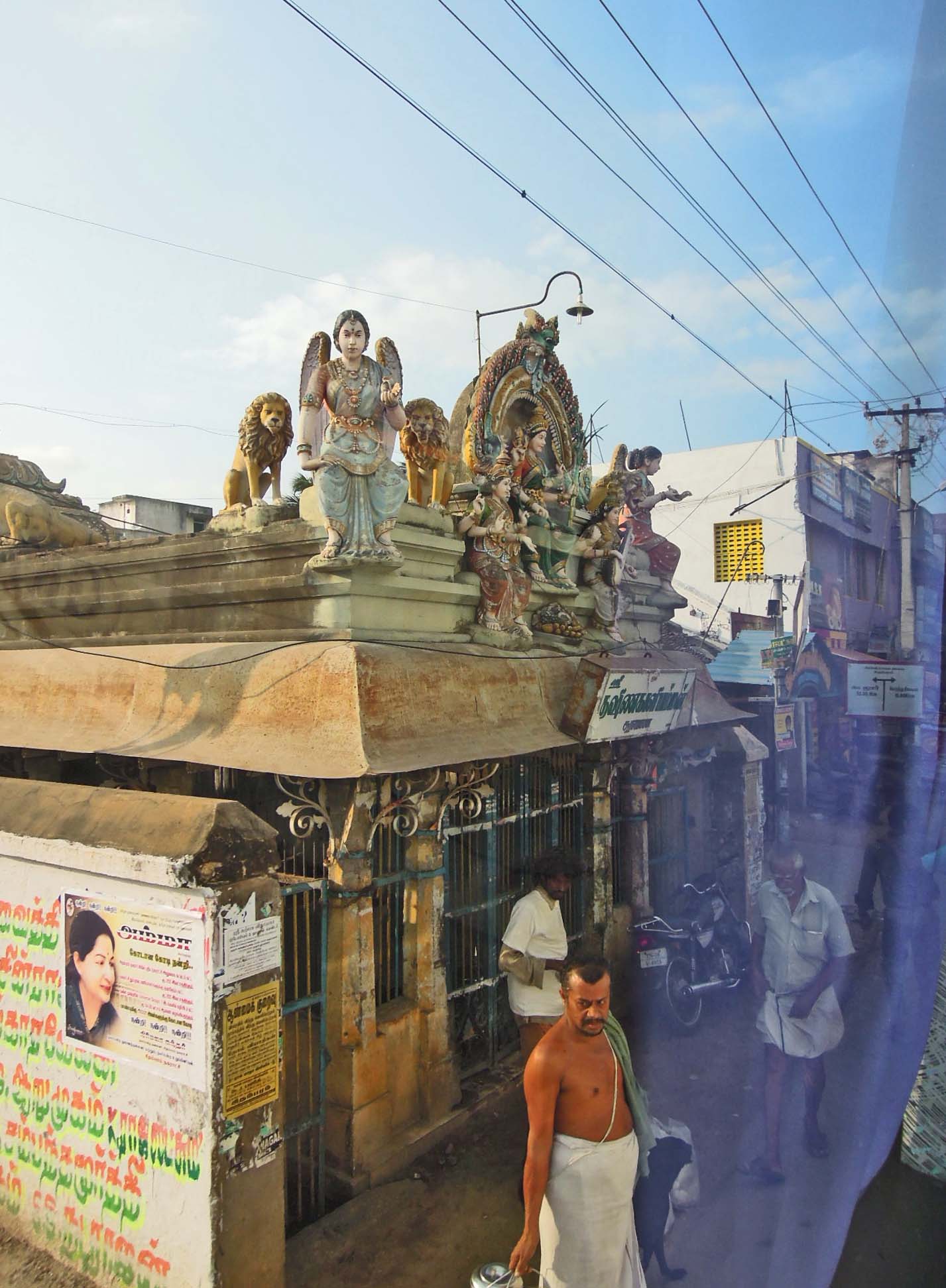
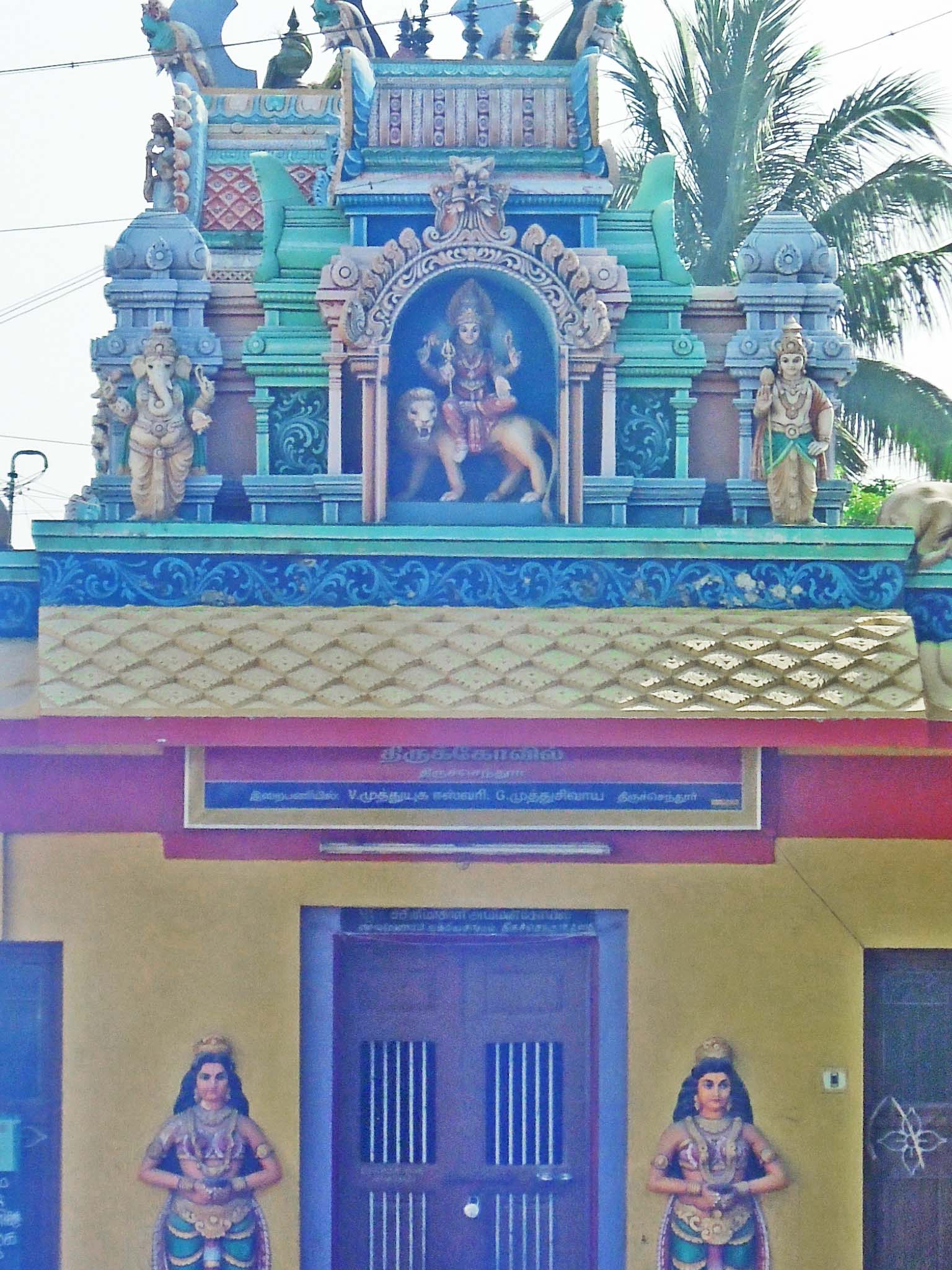
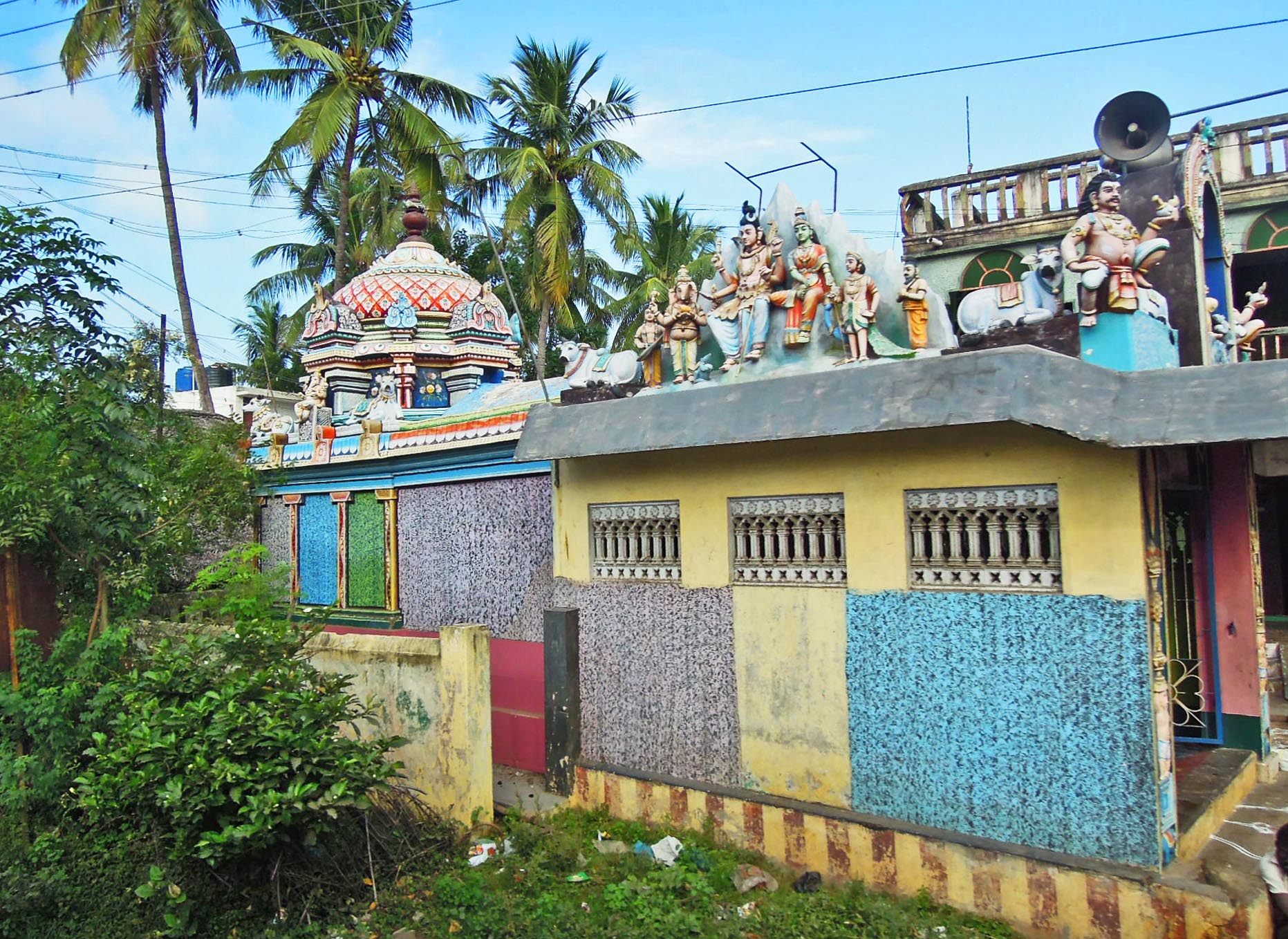
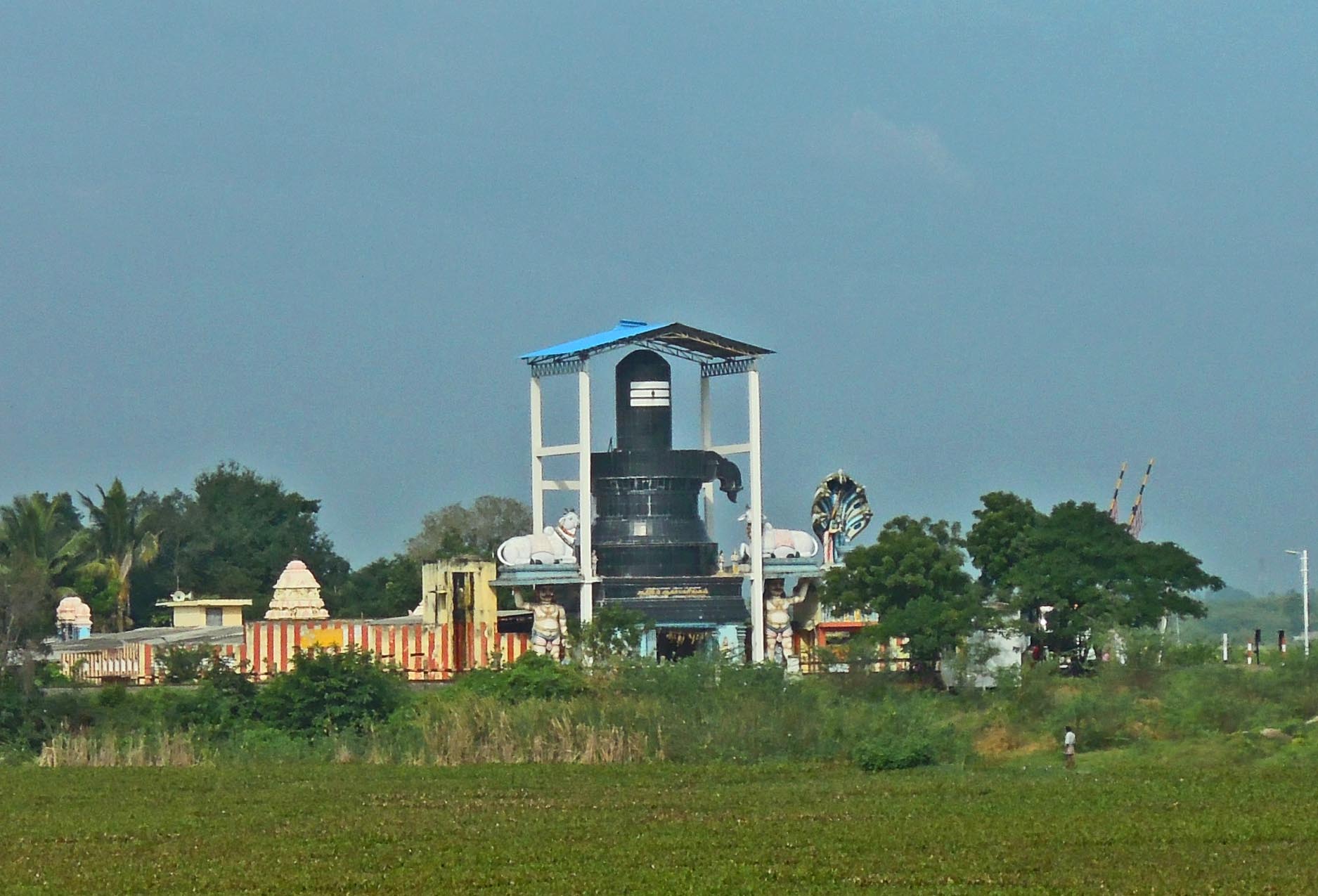
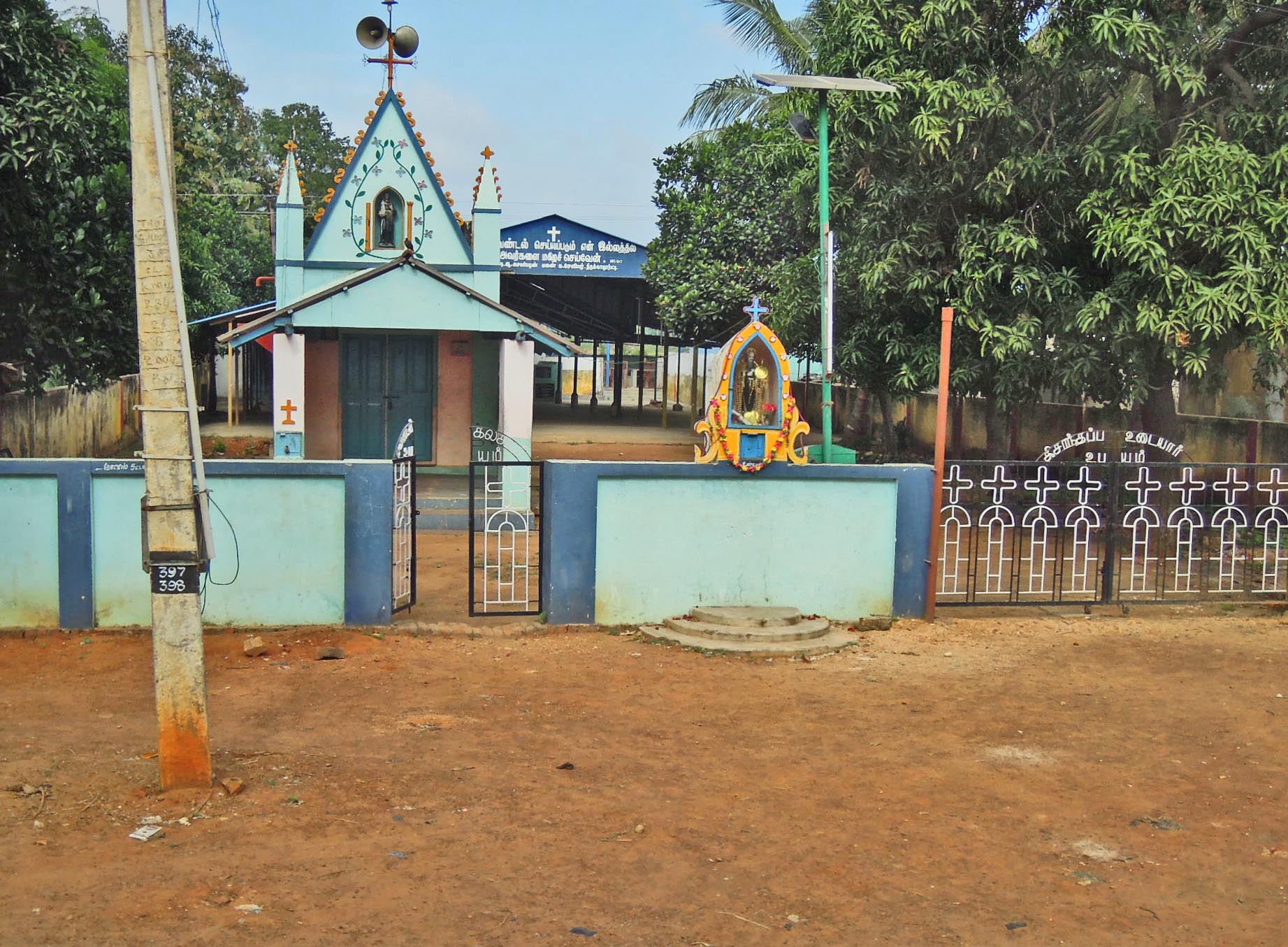
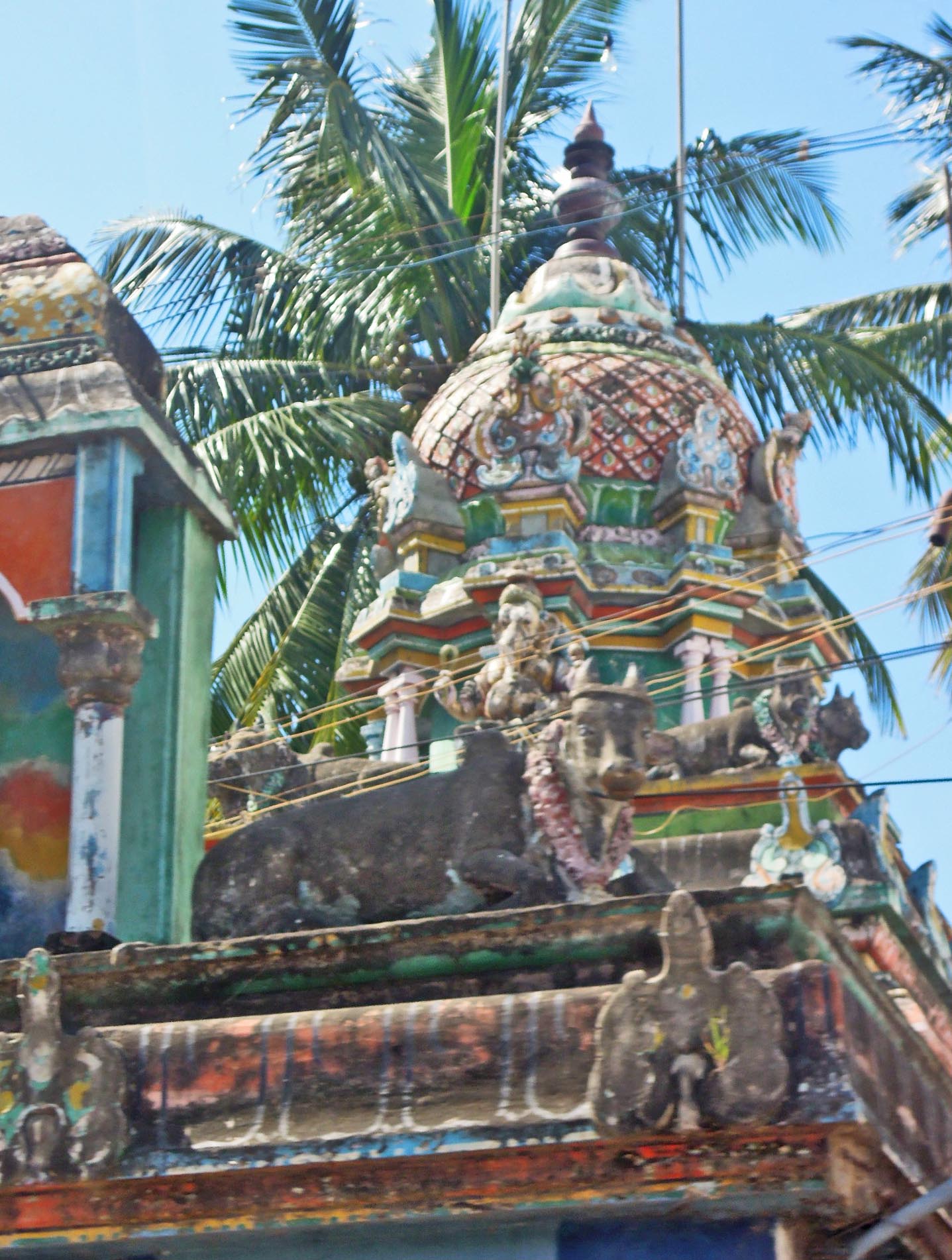
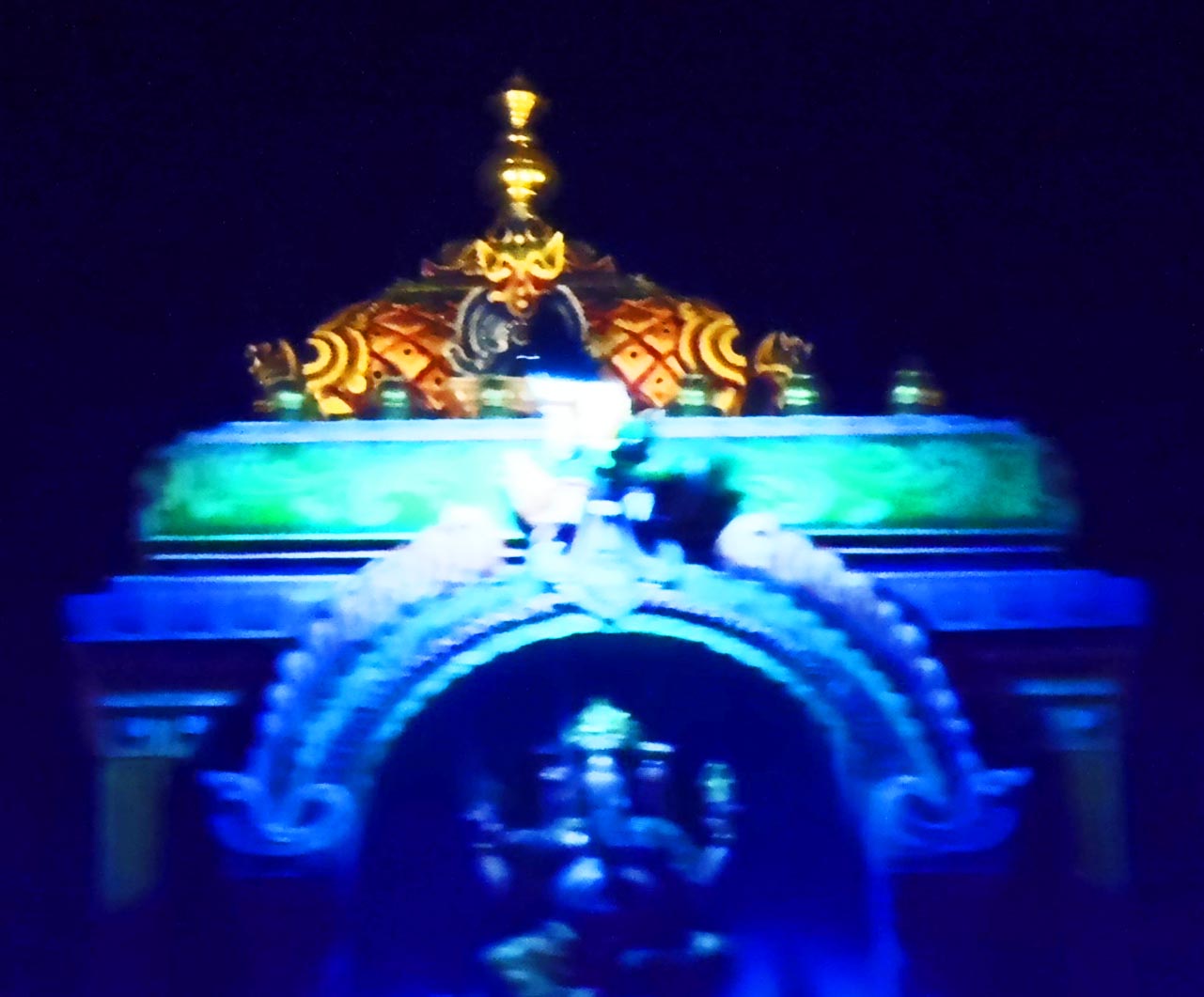
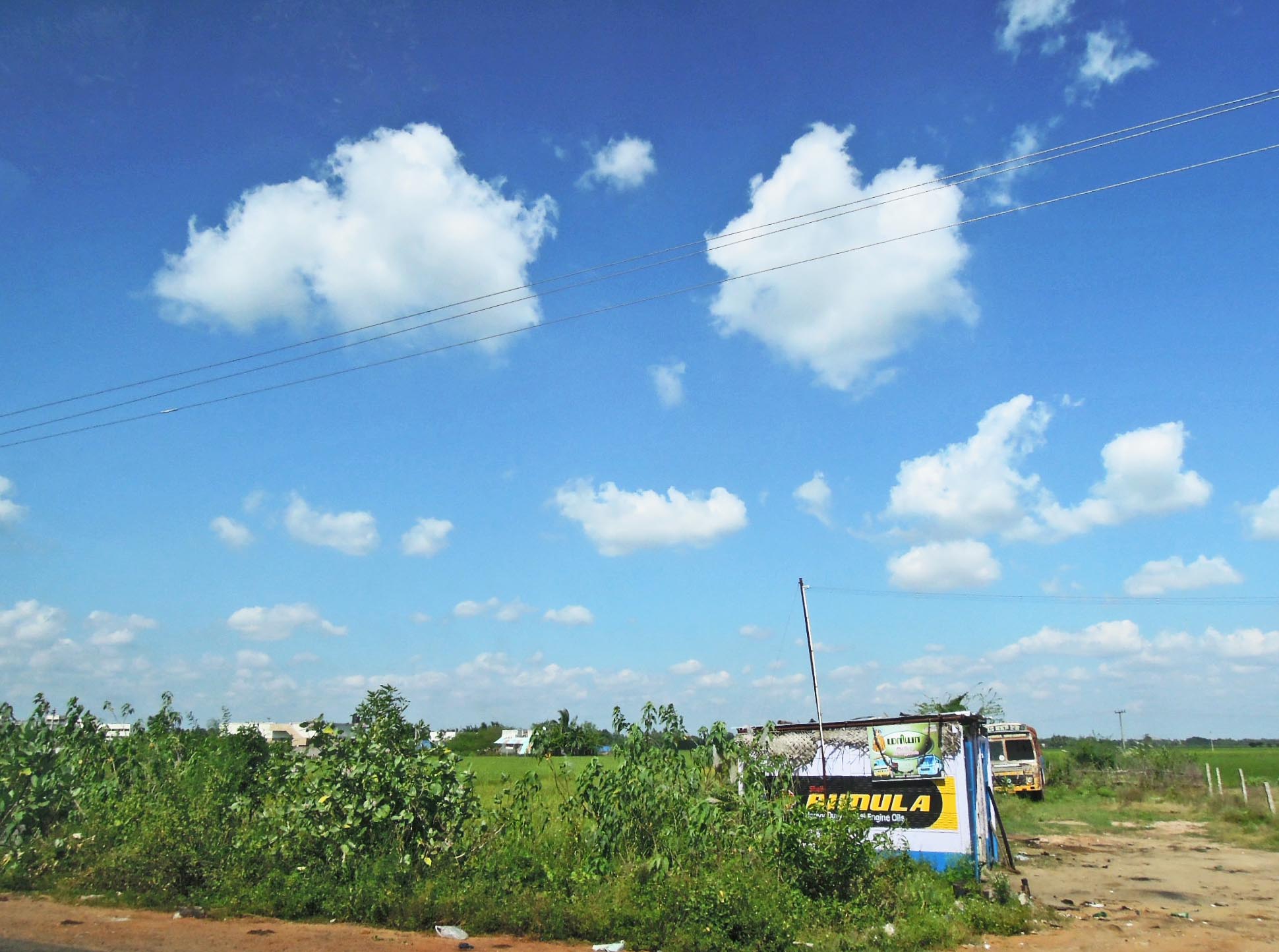
Another self-induced India photo flashback after a long work day reading and writing at the computer with breaks only for shoveling snow and for eating and cleaning up.
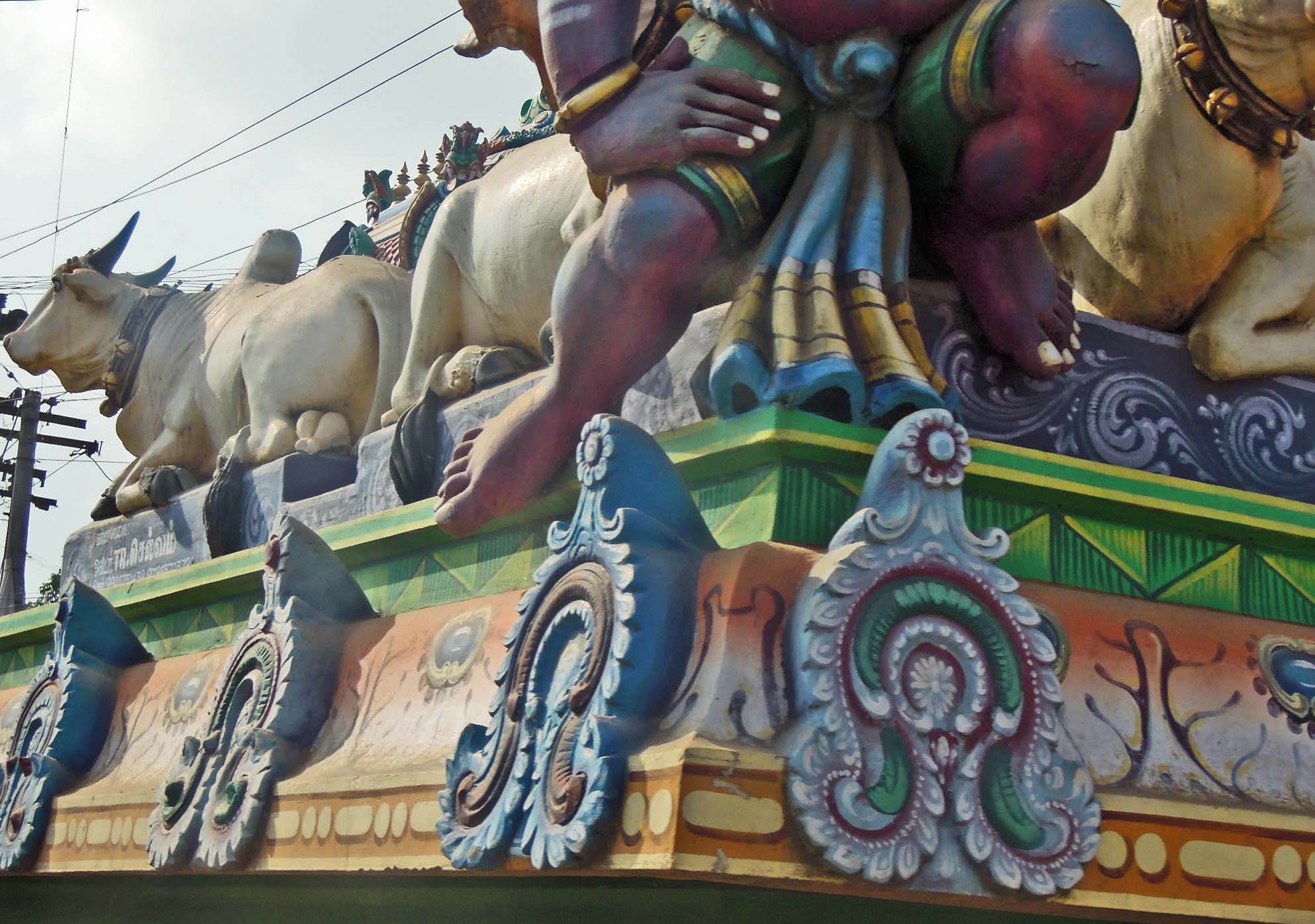
We were traveling on the bus when I saw the Durga temple (the fifth photo–the one with the white glare and flat sky, but an incredible Durga). I suggested to my seatmate that he take a picture with his better camera. I recall it quite reasonably and correctly being pointed out to me the flat, white heat of the midday, humid sky and the glare off of the window would make it impossible optimally to show the intricacy and vividness of the temple.
I snapped a picture anyway. I was seeing things at angles coming and going and with whatever the light was at the moment. I likely wasn’t ever going to be there again and certainly not any time soon.
Sometimes the bus would pause in just the right place for a perfectly composed shot, but mostly it didn’t. In this, the act of taking these photos was much like other aspects of life and practice. Our path is not always certain. Sometimes it is hard to see because there is too little light or too much. Sometimes we have something obscuring our vision. Sometimes we are going too fast and only notice just before it would be too late for that turning.
But even with vision turned or obscured, we are always experiencing something. How can we make the best of each moment of experience? For me, it is meditating and bringing the spacious awareness of meditation to what I am witnessing. Taking photographs helps me witness in a certain way, too.


Peace and light, E — Posted with WordPress for BlackBerry.