Sometimes Its Savasana and Sometimes Its a Nap
If you are too tired to do savasana, it is probably a good thing to be taking a nap.

If you are too tired to do savasana, it is probably a good thing to be taking a nap.
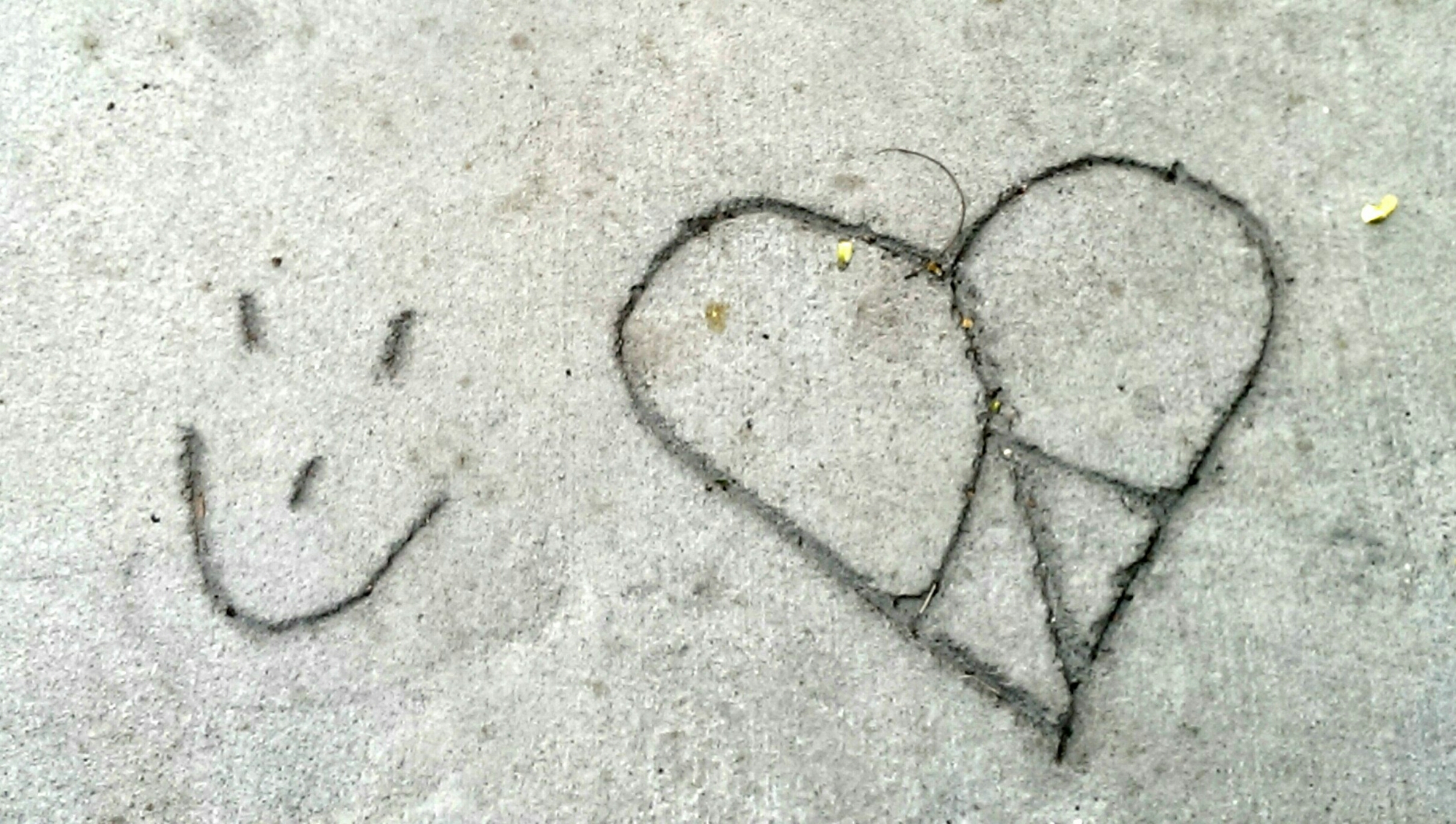
When I paused to photograph this marker on a DC sidewalk yesterday, I wondered how many hundreds of people have walked past it–once or hundreds of times–without noticing it at all. I connected this sense of acute awareness with a conversation I had with Douglas Brooks in India, in which he said to me that he guaranteed that at that moment he was seeing more than I was seeing. He had experienced the place before, studied it extensively and intensively, and was still open to seeing. I did not take offense and none was meant. I am one who notices, but it is a given that study and experience, if one retains an openness to new understanding, maximizes the opportunity to witness.
Paul Muller-Ortega describes the expanding ability to see and understand in terms of the essential interrelationship between jnana and vijnana–book knowledge and experiential knowledge. One without the other does not permit for complete understanding. The two together, with ever-expanding and present openness is what leads to wisdom.
Thus, though I am one who tends to notice much of what is in my field of vision, I could not, on my first visit, possibly have seen as much in the immediate landscape as one who has devoted much of his life both to studying and experiencing it.

Peace and light, E — Posted with WordPress for BlackBerry.