| | |

Wonder Here at Home

image

I have been pining for a great adventure that would crack open my heart and remind me of the exalted.

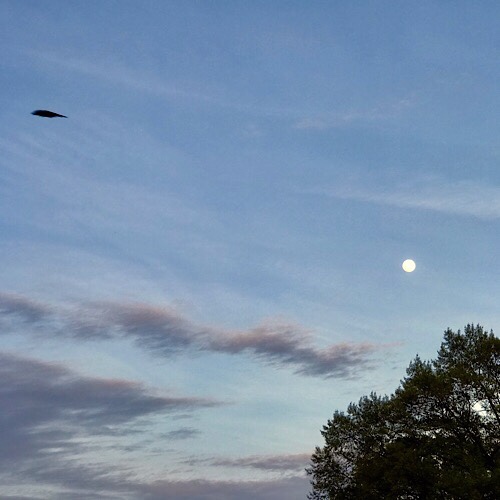
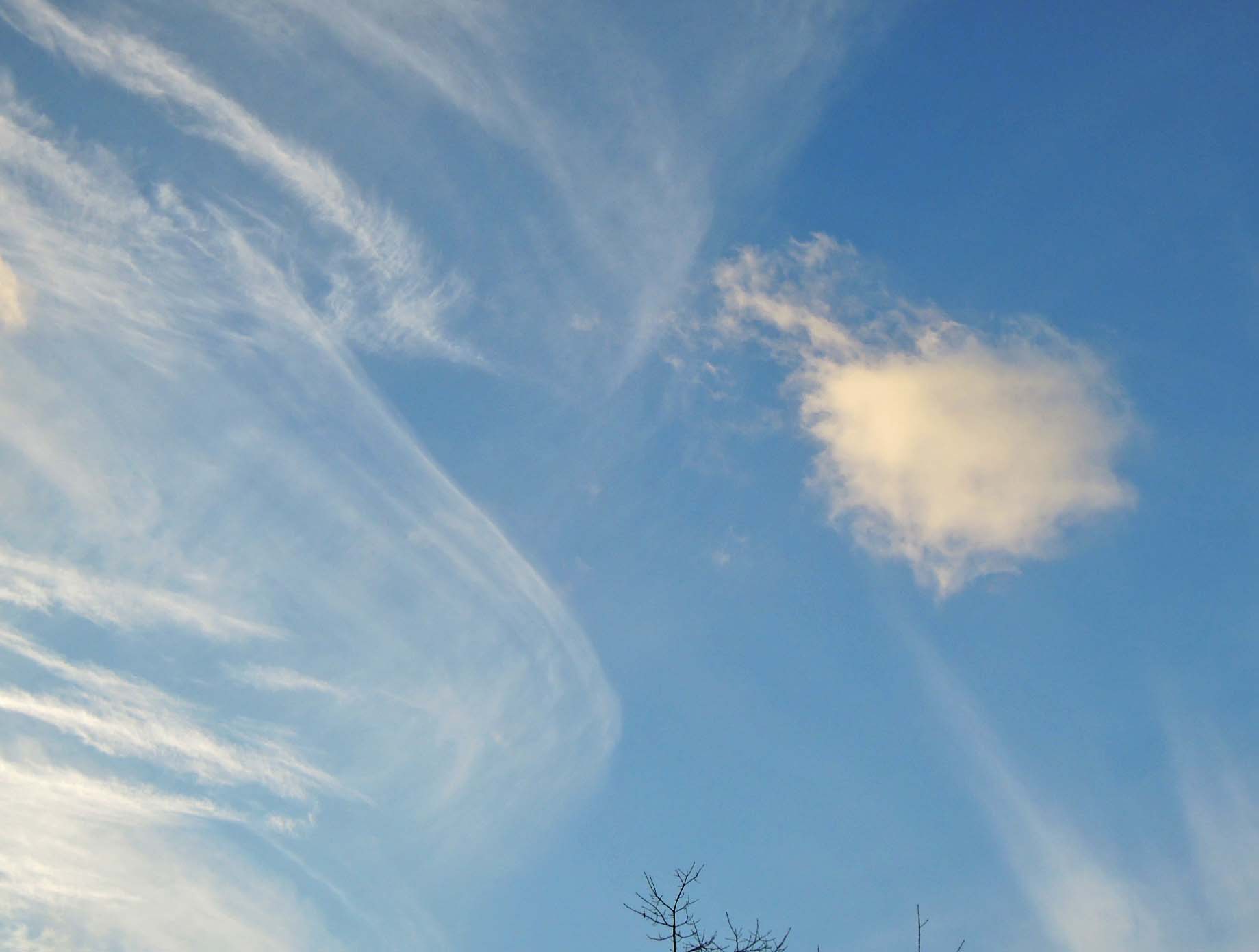
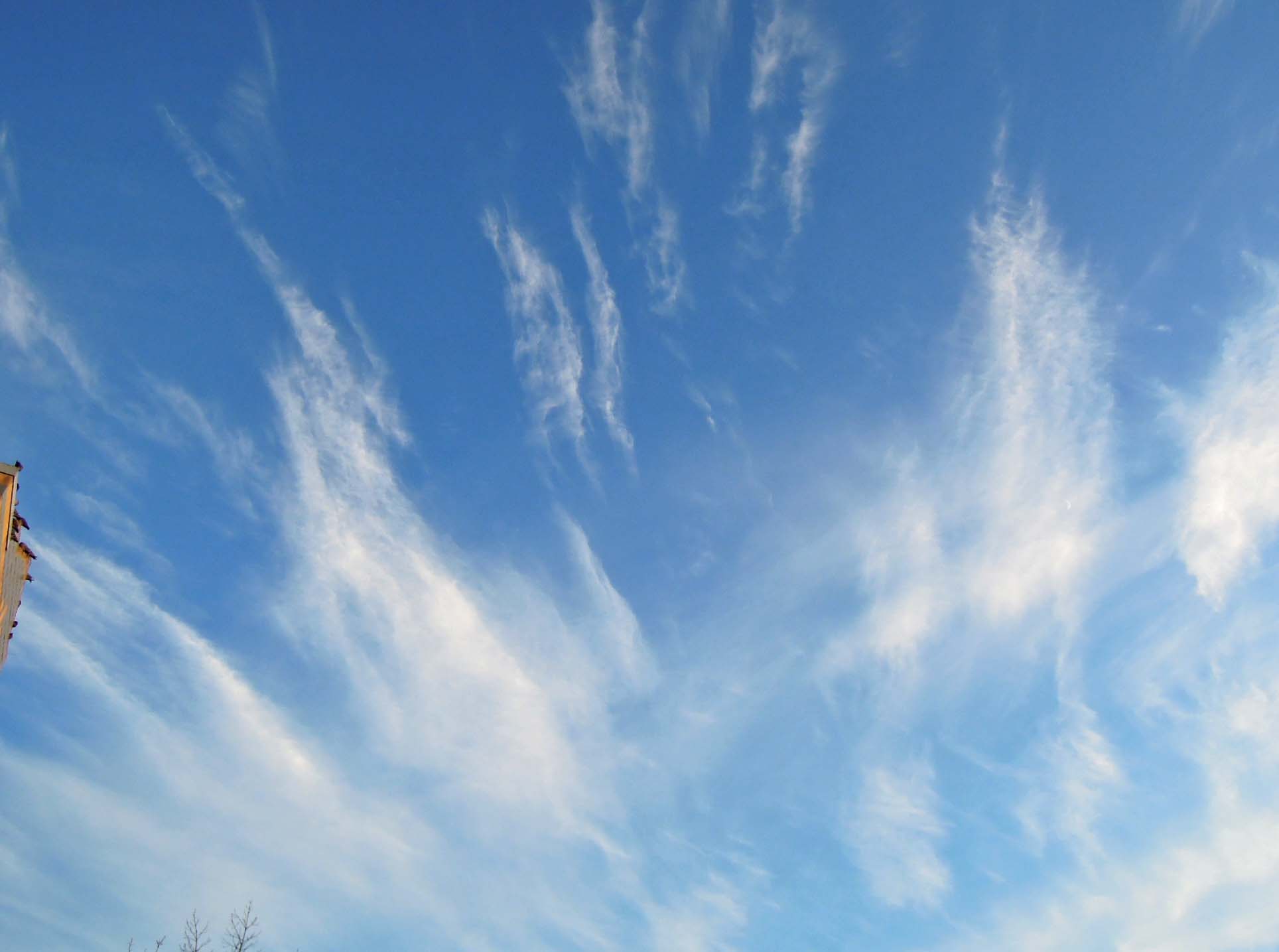
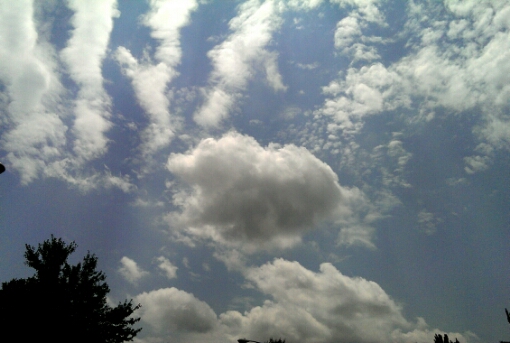
A look at the sky as I did errands in the middle of my work day reminded me that all we need to find that ecstatic sense of awe is to be open to it right where we are.

The sadhana is to stay filled with awe as we do our work and chores, no matter how prosaic or stressful.  Easier said than done, but worth every bit of effort (tapas).

Similar Posts

  • | | |

    It Takes a Snowflake

    It is almost inconceivable to my limited mind how many snowflakes it took to whiten our world yesterday morning.  This weekend, there will be far more snow (alas, it will be too cold to stick to the trees and create such a beautiful canopy; instead we will have howling winds and heavy going).  I might catch the first of the snowflakes tomorrow morning on my walk to work before the storm really comes in with all its wild fury.  When there are only a few, it is easy to see the individual flakes.  Once there is a storm, though, we tend only to see the storm.

    Just as it is hard to remember that the snow is about both each individual flake and the whole snow fall together, we forget about the simultaneous place of ourselves as individuals as part of the whole, or we get caught up witnessing ourselves as individuals and forget that we are all a part of a much vaster energy.  The reality is that we are all both all of the time — we are completely individual and part of a vast, interconnected web.  When we can remember and witness both aspects of ourselves, then we can most deeply witness, participate in, and appreciate the extraordinariness of being.

  • | | | |

    Bare Bones of the Trees (and Pratyahara)

    One of the things that I appreciate most about winter is being able to see the bare articulation of the shape of the tree in the absence of its leaves. A dormant tree looks very different from a leafless, lifeless tree. The dormant tree still has a vibrancy to it.

    As I enjoyed the beauty of the trees in Stanton Park this morning on my walk to work, I thought about pratyahara (withdrawal of or from the senses), which is the fifth step of Patanjali”s eight-limbed path of yoga and the bridge between life and physical practice (the first four limbs consist of ethical observances and restraints, asana, and breathing practices) and meditation. I have been led to contemplate the practice and meaning of pratyahara since the last meditation retreat I attended.

    From a renunciate perspective, pratyahara entails withdrawing from that which stimulates our senses. A renunciate would simplify and restrict what he or she takes into his or her system to free the mind from stimulation and make it easier to go into a space of meditation.

    Being careful to eat lightly, avoiding the stimulation of electronic entertainment, finding a quiet place to sit, and shutting our eyes before we begin meditating is part of the practice of pratyahara that all of us who practice meditation do as a matter of course.

    From a tantric perspective, I think pratyahara fits into our practice a little differently than for someone seeking to be on a reunciate path. We may definitely choose to minimize undue or excessive stimulation because certain types or amounts of stimulation feel out of alignment with our practices. For me, more than a certain amount of sense stimulation and certain types of stimulation can numb my celebration of and experience the spirit. Refining what I take into my system so I feel better able to live fully and celebrate and see the play of consciousness is different than renouncing objects that stimulate the senses or sense impressions themselves, as being less real than spirit. It is not renouncing things as unreal; it is picking and refining what to experience to better recognize and remember spirit. For the great siddhas, withdrawal from stimulation would not be necessary because they do not lose sight of spirit by either the cravings of the senses or being overwhelmed by reactions to stimulation of the senses.

    The trees seemed to me this morning to help elucidate this principle. The trees aren’t acting out of ego or greed or yearning to find happiness from the outside because of an emptiness on the inside. They are always open to the light and the rain. In winter, when they are dormant, they are not reaching for the light and rain or hungering for spring. They are there in all of their beauty open to receive nourishment when it comes. In spring, when the leaves start to bud and open, it is because of the light and the rain, but the essence of being a tree does not change or get distorted by going inward and resting or by opening to burgeoning growth.

    When we can simply open to all that is around us as spirit (beyond my capacities except at the rarest of times), then we can be open to the fullness of what stimulates the senses and still be practicing pratyahara. As long as we are swayed from the recognition and delight of spirit by stimulation of the senses, then we need to practice withdrawing on a grosser level to help us find the space of still being where we can be in the world of the senses without being tangled up and bound by it as such.

  • | |

    Archimedes

    “We all know that distance gives perspective. Archimedes said that if he had a lever long enough and a place to stand, he could move the world.” Anodea Judith, Waking the Global Heart.” (Willow Street Yoga book club reading for March–meets the third Sunday of each month; I will let you know what is the reading for April).

    Peace and light, E — Posted with WordPress for BlackBerry.
Leave a Reply

Your email address will not be published. Required fields are marked *

This site uses Akismet to reduce spam. Learn how your comment data is processed.