Dance of Opposites?

Peace and light, E — Posted with WordPress for BlackBerry.
Peace and light, E — Posted with WordPress for BlackBerry.
My friend Reya, who is an extraordinary healer and massage therapist, one of my teachers, and, like me, is one who enjoys walking around the neighborhood observing, thinking, and taking photos, has just started a new blog with her thoughts on healing. It is sure to be mind-expanding.
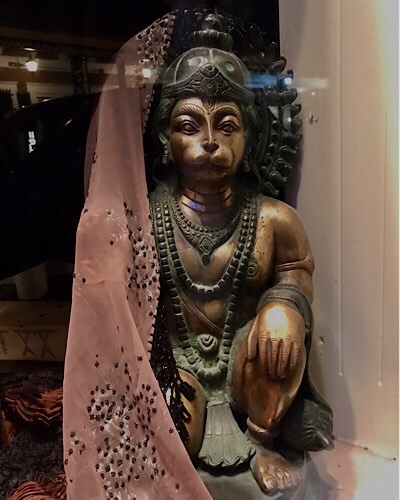
Since arriving in Santa Fe late this afternoon, I’ve encountered many of the Hindu pantheon, almost more prevalent than who is indigenous or long settled here, but that’s probably just due to the first places I walked. Fitting perhaps since I’m mostly on this trip to bathe in the yoga practices.
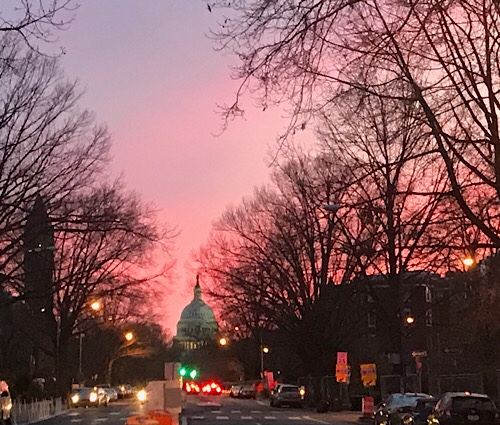
I was grateful to be able to walk to my comfortable home with plenty of food and to notice the beauty, but still engage in discussion and action to address the current situation. I choose as my role models those who inspire me to think and work and engage more fully. What are the responsibilities that come with privilege–as much as one has (at this point I have more than most,whatever it took to be where I am)?
I just received the following email that makes it easy for you to comment on the DC Council’s proposed tax on yoga classes. If you believe yoga should not be taxed, please take action as moved:
Dear Elizabeth,
We just learned that the DC Council may impose a 6-8% sales tax on yoga classes and gym memberships. This Friday, May 7th (tomorrow!), they’ll consider the new tax. And, they’ll vote to approve or reject it soon thereafter.
Before this vote happens, please tell the DC Council: “Don’t tax yoga!”
Washington, DC is no stranger to the challenges of modern life that yoga is so well-designed to address: stress, stress-related illness, depression, anxiety, and the secondary impacts of these ills that make it harder for people to simply “get along”. Why put yoga — a potent antidote to these problems — further out of reach for District residents?
Some advocates of the new tax argue — mistakenly — that people who practice yoga and attend gyms are wealthy enough to afford the additional tax burden. The truth is that most yogis and gym members are middle income-ers who’ve simply made it a priority to invest in their health and well-being.
The DC Council should reward their behavior, and encourage more people to take responsibility similarly for their own well-being. Doing so will have direct upsides on the DC coffers. Why? Because when people are healthier, more balanced, grounded, and happy they’re also more productive, more self-reliant, and better able to function in our interdependent society.
If you agree, please tell the DC Council now: “Don’t tax yoga!”
We respect the DC government’s need to increase revenues in a time of economic recession. We just feel that taxing yoga and other health and wellness services is one of the worst ways to do it. Services that support people’s health and well-being are not luxuries. They are essential – just as much in the District of Columbia as anywhere, if not moreso.
Please make sure the DC Council gets that message. Tell them: “Don’t tax yoga!”
Many thanks,
Ian
—
Ian Mishalove
Co-Owner & Director of Flow
Flow Yoga Center
This site uses Akismet to reduce spam. Learn how your comment data is processed.



Prayer flags and breakfast detritus as dancing opposites? I am not so sure…
Rather I see this as an odd juxtaposition of the sacred and the ordinary commingled just as they so often are in our consciousness.