From the Perspective of the Gods
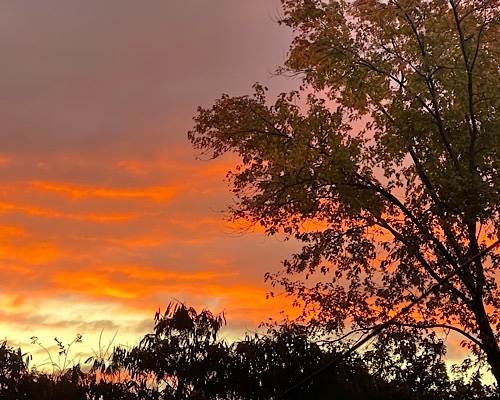
From the perspective
Of the gods and of science
One life is but ephemera,
However much loved.

Peace and light, E — Posted with WordPress for BlackBerry.
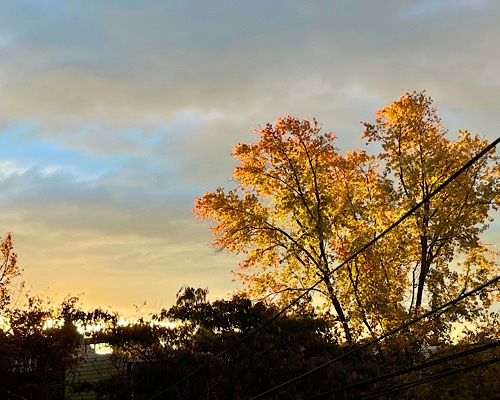
From the perspective
Of the gods and of science
One life is but ephemera,
However much loved.
Peace and light, E — Posted with WordPress for BlackBerry.
I don’t think anyone ever feels better for being told they ought to–whether emotionally or physically. To help someone else or our self to feel or get better, it is far more productive to offer well wishes or offer loving or healing energy or to take action the likely result of which is to improve health or mood.

Peace and light, E — Posted with WordPress for BlackBerry.

Peace and light, E — Posted with WordPress for BlackBerry.
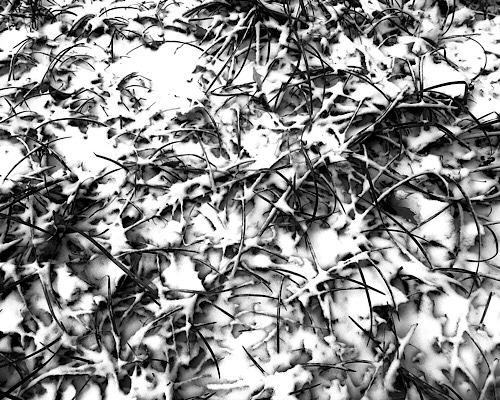
It was not really a pleasant day to go for a walk, but I found enjoyment in seeing everything as art.
The first of Patanjali’s niyamas (part of the ethical precepts that are precursors to the practice of asana, pranayama, and meditation) is sauca — purity or cleanliness. The practice of sauca includes in it a literal exhortation to be physically clean. I think it also carries with it a sense of order, a cleaning out of physical, mental, and emotional clutter, so that we have more clarity. When we find more clarity, we can be more in the flow with the inexorable sequence of time and space.
Experiencing how we fit into the pulsation of time and space is one of the exquisite joys of gardening. This time of year, avid gardeners are eager to get int the garden, and it is tempting to get started to soon, to start new things without cleaning out the old. When we are more experienced (and know better the optimal sequencing of starting the garden with the shifting of the seasons), we also know that we might have gotten a few days in the 50s F, but it is still winter.
Emphasizing the practice of sauca now will serve the whole gardening season. When it is still cold, but the heart yearns for the garden, is the time to be planning, reorganizing, and cleaning to get ready for the days when it will stay warm enough for growing outside a cold frame or protected area. As I use a lot of containers, now is the time for me to see what containers need repairs, removal of perennials that did not make it through the winter, and new soil. It is the time to prune what is better pruned now than in the fall. This is not just trashing everything, but seeing what should be preserved, what should be repaired, what should be cleaned, and what should be discarded or given away. It is cleaning out what gets in the way of an optimal flow of energy to experience the greatest effulgence of nature. By practicing the cleaning and clearing out phase with intention and enthusiasm, I am present with the garden and also in sequence with the light and the temperature. In this way, just as I am when I practice these principles on the mat, I get the bliss of yoga.