| |

Can One Be Shy and a Successful Yoga Teacher?

I have wondered over the years, as I see the emphasis on being buoyant, outgoing, and cheerful as the hallmark of a fun yoga teacher, whether it is possible to be a successful yoga teacher in today’s society if one (like me) tends toward introversion and shyness.  I recently heard an internationally recognized teacher say that the way to know if you are a successful teacher is if your classes are consistently doubling in size.  Ever-growing classes are certainly important to help the teacher and the studio pay the rent, but is that the key measure of individual success?  I think part of the sense that the measure of success is a burgeoning group of people attracted to the teacher is our societal premium on extroversion.  A more introverted teacher may not seem as cuddly and fun outside of class, but may have other things to offer that in fact grow from his or her tendency towards introversion.

Check out this article for some perspective on introversion in today’s society.  What are your thoughts about this in the context of yoga?

Similar Posts

  • | | | |

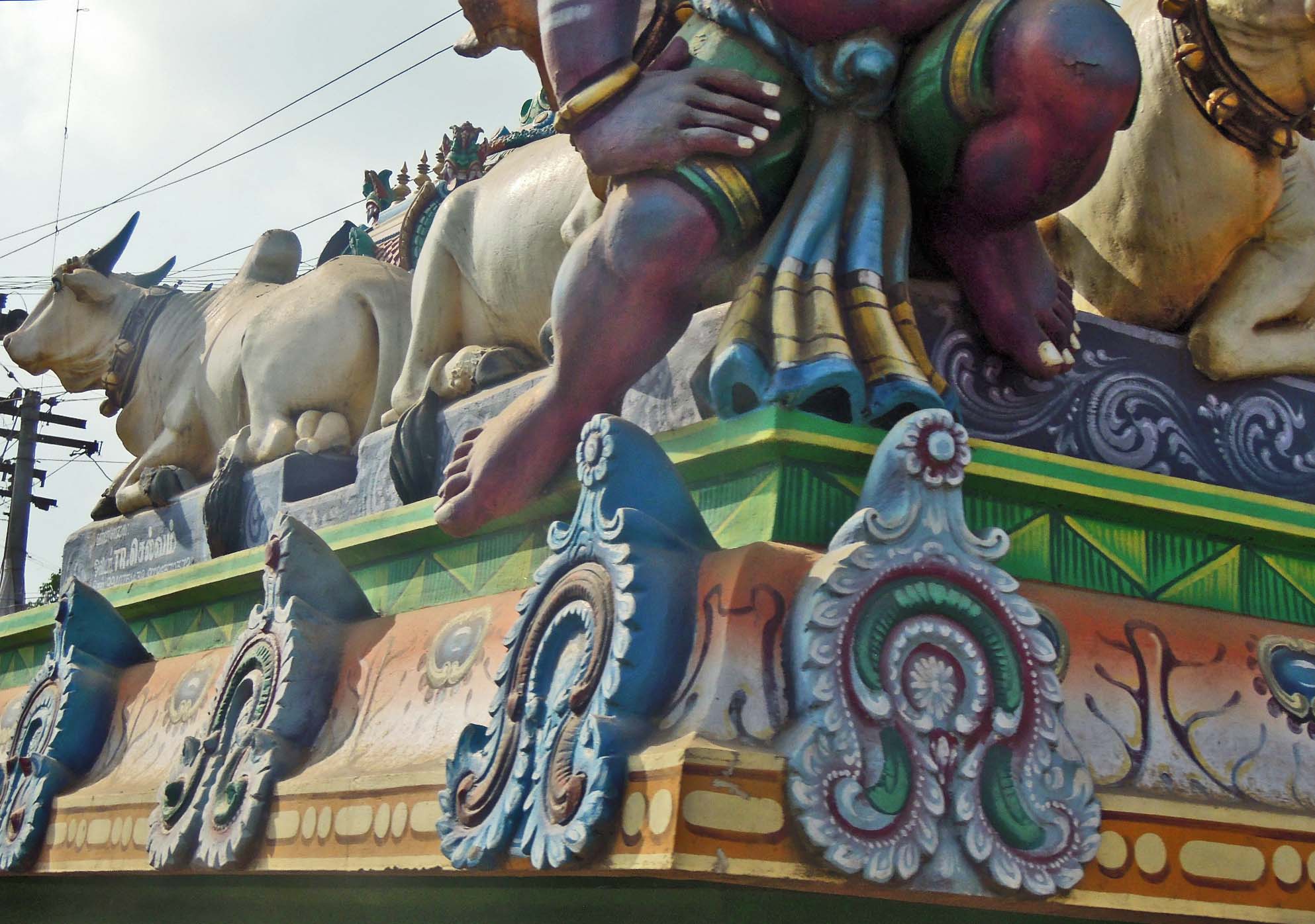
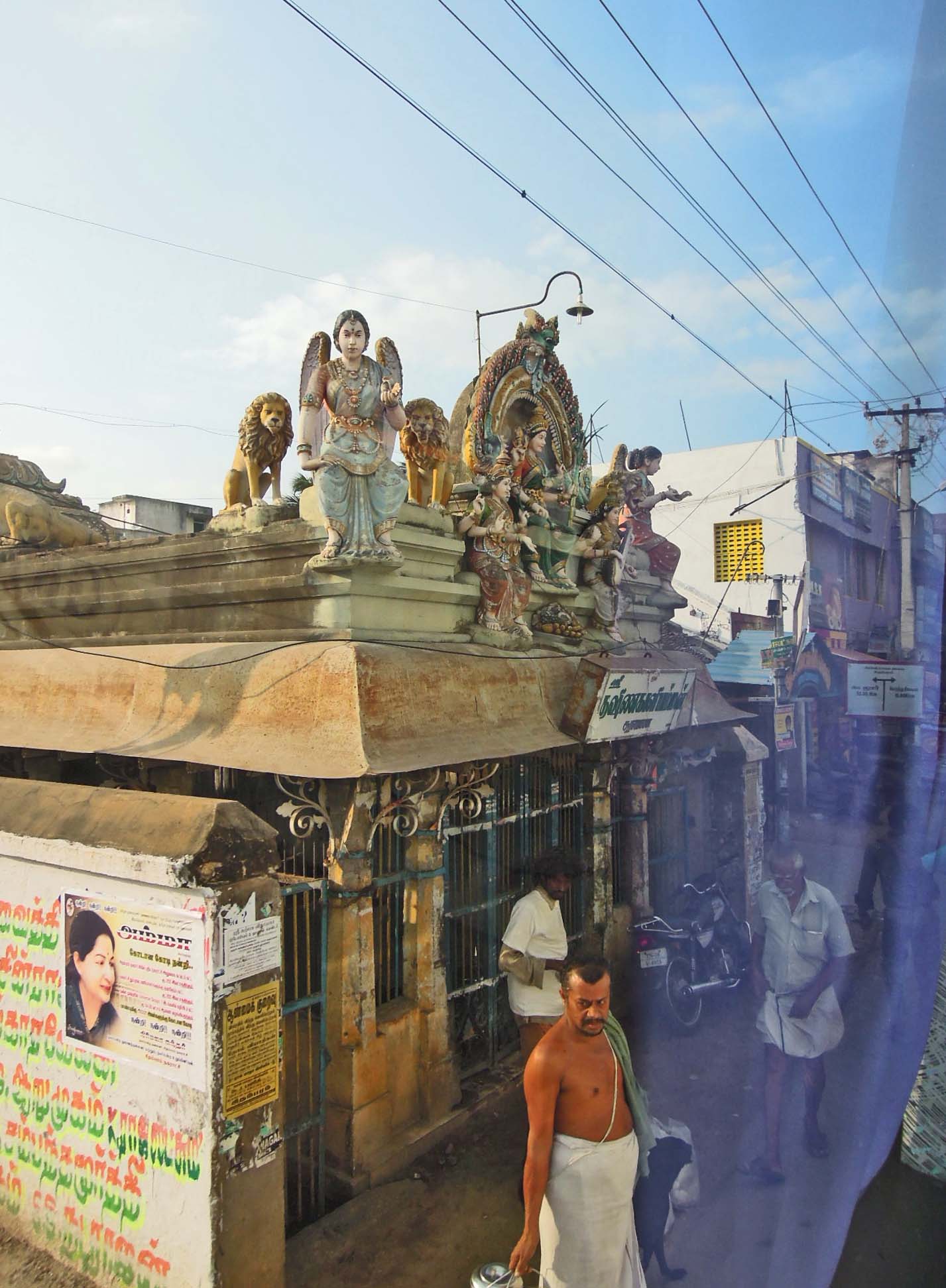
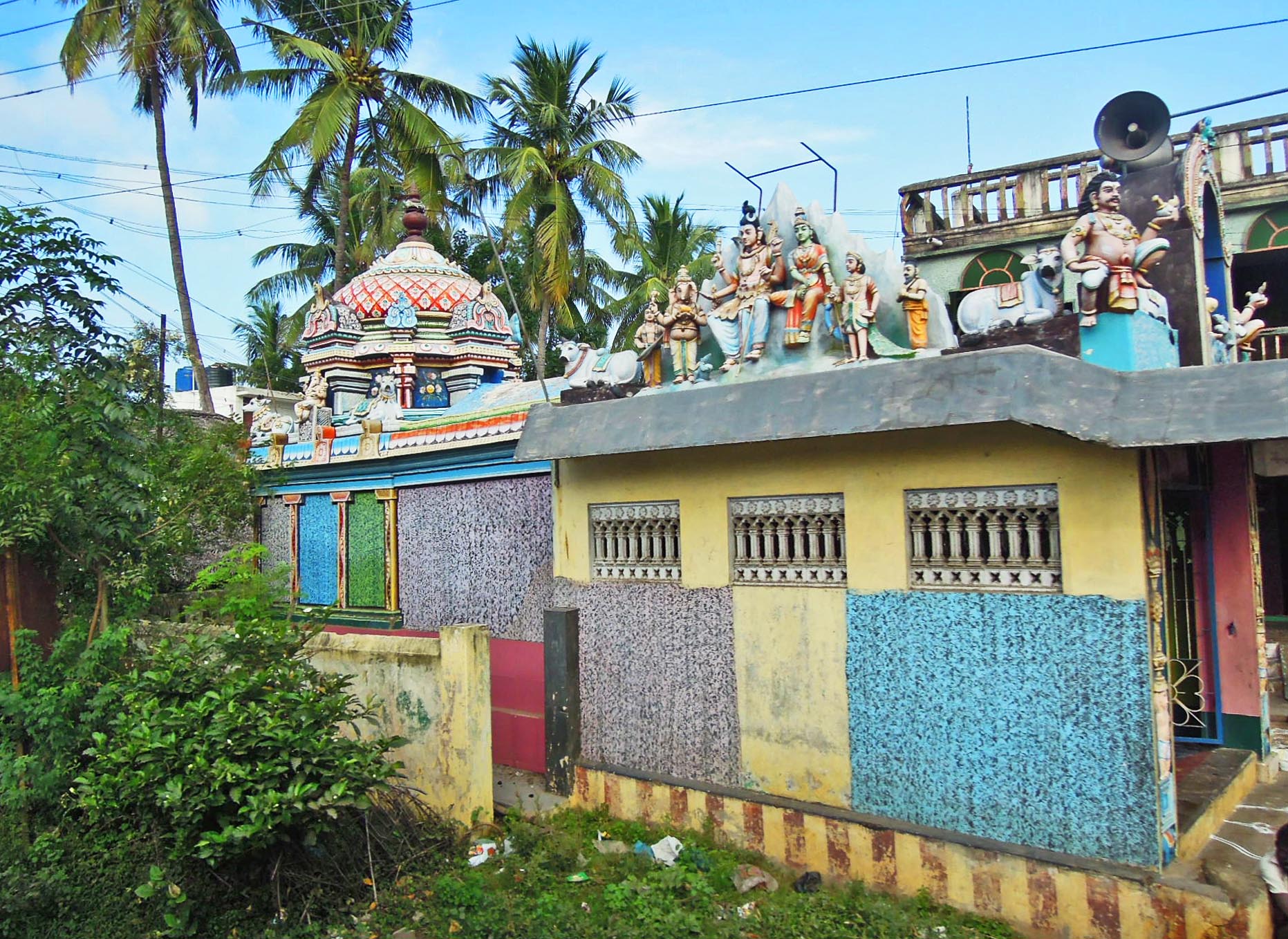
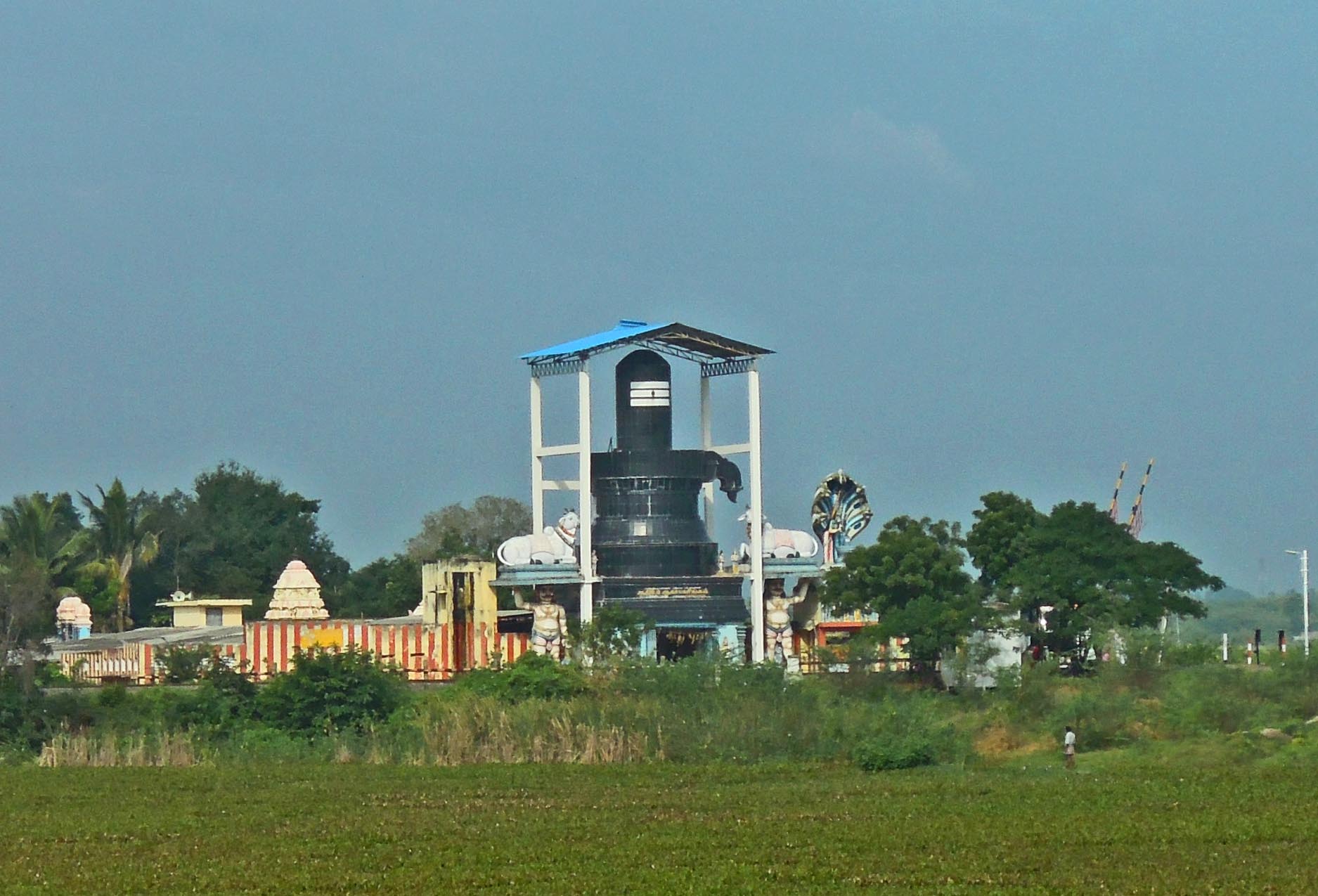
    Another Self-Induced India Photo Flashback (Roadside Temples)

    Another self-induced India photo flashback after a long work day reading and writing at the computer with breaks only for shoveling snow and for eating and cleaning up.

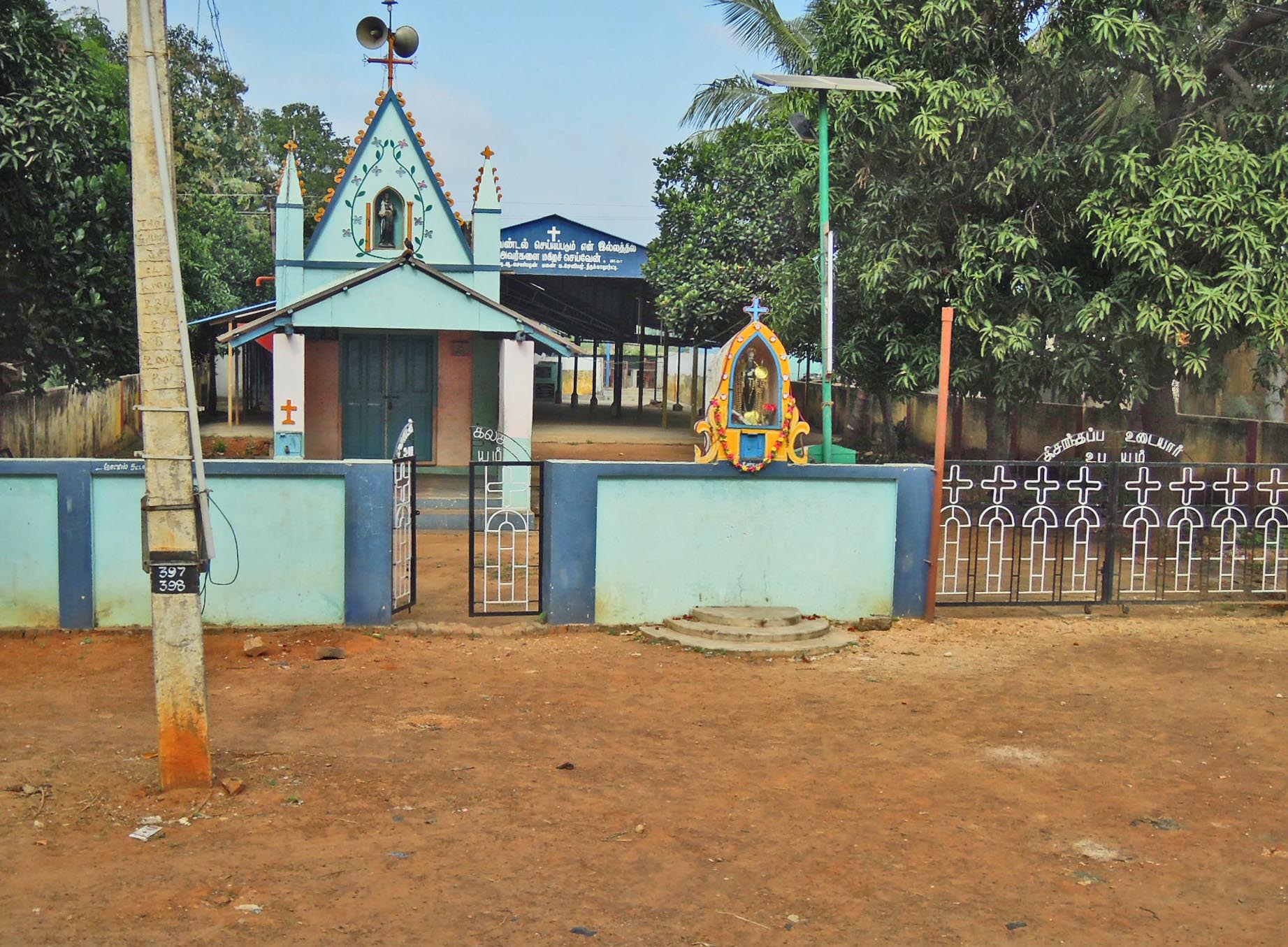
    We were traveling on the bus when I saw the Durga temple (the fifth photo–the one with the white glare and flat sky, but an incredible Durga).  I suggested to my seatmate that he take a picture with his better camera.  I recall it quite reasonably and correctly being pointed out to me the flat, white heat of the midday, humid sky and the glare off of the window would make it impossible optimally to show the intricacy and vividness of the temple.

    I snapped a picture anyway.  I was seeing things at angles coming and going and with whatever the light was at the moment.  I likely wasn’t ever going to be there again and certainly not any time soon.

    Sometimes the bus would pause in just the right place for a perfectly composed shot, but mostly it didn’t.  In this, the act of taking these photos was much like other aspects of life and practice.  Our path is not always certain.  Sometimes it is hard to see because there is too little light or too much.  Sometimes we have something obscuring our vision.  Sometimes we are going too fast and only notice just before it would be too late for that turning.

    But even with vision turned or obscured, we are always experiencing something.  How can we make the best of each moment of experience?  For me, it is meditating and bringing the spacious awareness of meditation to what I am witnessing.  Taking photographs helps me witness in a certain way, too.

    roadside temple 1a roadside temple 1b roadside temple 1c roadside temple 1d roadside temple 1e roadside temple 1f roadside temple 1g roadside temple 1h roadside temple 1i roadside temple 1j roadside temple 1k roadside temple 1l

  • | |

    Plugging into the Source (on and off the mat)

    John Friend talks of “plugging into the source” when we need more power to serve, to offer, to fulfill our responsibilities, and also to find our own connection to the greater consciousness in asana practice.  I understand this to mean to understand that we are not alone, that when we tap into the strength of community and spirit, we are empowered to do more.

    In asana, as in anything else we do, I believe this means moving and acting with integrity and deep integration, rather than just powering through things for the sake of ego or other external goals.  This means softening and opening to a greater purpose before moving or acting (opening to grace).  We then use the other Anusara principles of alignment — especially muscular energy — to integrate muscle and bone into our core, so that we reach from an informed place of strength.

    These principles help us stay healthy when we engage physically outside of ourselves, whether it is offering someone else a hand, lifting and carrying, gardening, or doing housework.  When we slow down and steady ourselves with purpose and then plug in by using our own power as leverage, we will not only be healthier ourselves, but will have more to offer.

    Plugging into ourselves in this context means not reaching out before stabilizing ourselves, moving from the core not the periphery — not “telescoping” to some goal without staying grounded and steady.   To plug in mentally, we remember our ultimate purpose and stay connected no matter how diverse the issues.  To stay plugged in physically when we are doing physical activities off the mat such as gardening or housework, we start aligned and stay there and then use our own body as leverage, for example, bracing one arm against our side or thigh before using both hands together before moving, pulling, or shifting something.  If we can keep with this practice with whatever we are doing, we are not guaranteed to be free from injury, but we are much more likely to stay healthy and strong.

2 Comments

  1. I have always loved my more quiet teachers. There is a stillness that emanates. Although even my teachers who consider themselves shy are very good at speaking up and welcoming people, I would never consider them boisterous. And I love that they aren’t. Their quiet enthusiasm is a nice balance in a world that does all too often prefer boisterous. It reminds be that it is okay to be quiet or loyd, okay to be outgoing or introspective. We all have shy days, we all have loud days, and it’s all good.

Leave a Reply

Your email address will not be published. Required fields are marked *

This site uses Akismet to reduce spam. Learn how your comment data is processed.