Untitled

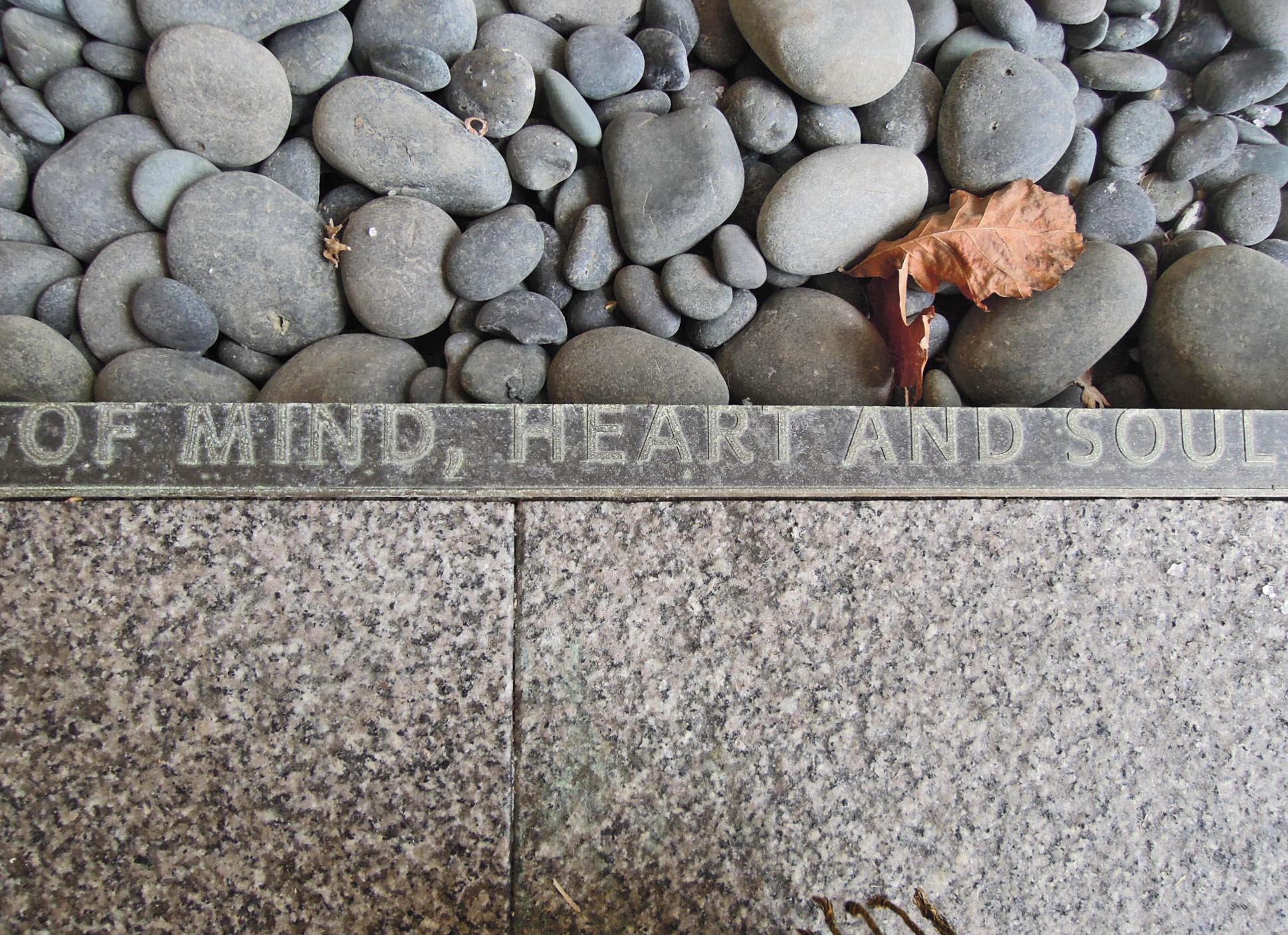
Outside the Barnes Foundation, Philadelphia, PA
The other day in group practice, someone said they wanted to work on a particular pose; another teacher had people working on staying present with pain.
I questioned whether they should trust someone who suggested that they intentionally put themselves in a painful position and then stay there to learn to be with pain.
I questioned whether creating and staying with pain was in any way healing.
I questioned what they meant by pain. I think it is useful to stay with discomfort, for example staying safely with a strong posture that requires muscular and attention effort to maintain.
But pain is an effective warning system. If the pain is sharp or abrupt or sudden or is in tendon or ligament, etc, there will be no benefit to overriding your body’s message to stop.
Better to build strength of attention and focus and body and then apply the practices when life supplies pain that you have no choice but to remain until it heals.

Most of us are happier and more productive for a midday break. Did you take one today?
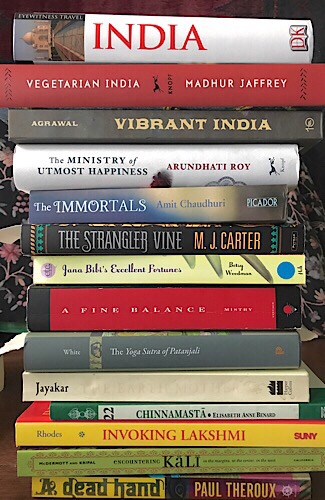 Current stack of to be read in anticipation of upcoming travel. Though I’m on a brief detour into a reread of “Harry Potter and the Deathly Hallows,” which appeared the other day in a nearby “little free library.” The Arundhati Roy is so finely wrought, I can only read a few pages at a time. The Madhur Jaffrey, by serendipity, has a bit about one of places I will be eating.