The Spell Check Alternative for Satcitananda
is catsitting. Hmmm.

Peace and light, E — Posted with WordPress for BlackBerry.
is catsitting. Hmmm.
Peace and light, E — Posted with WordPress for BlackBerry.
The extraordinary blossoming of Spring is springing! Witnessing this great effulgence can help us understand the potential of practice, all of which is intended to lead us to an inner effulgence of bliss so that we can bring it out in all we do.


Peace and light, E — Posted with WordPress for BlackBerry.
This month’s recipient will be the Environmental Defense Fund. Why? Because in his State of the Union Address to much applause by Democrats (Republicans don’t clap for a Democratic President even if he is giving them everything they want), President Obama announced that part of the support for “clean” energy would be for nuclear power plants, “clean” coal (an oxymoron if I ever heard one), and off-shore drilling.
You might wonder why not have the February cause be an organization that is doing work in Haiti? I feel it is important to support organizations such as the American Friends Service Committee and Doctors Without Borders, who are doing yeoman-like work to ease suffering in Haiti and other places around the globe, and I have given some support. Following disasters or major incidents, though, society as a whole often experiences “donor fatigue.” I want to make sure that in the aftermath, the other changes I seek in the world do not go unsupported by me. So I try to give extra, and I try to remember all the things about which I care.
I hardly glance twice at the squares of sidewalk that are unmarked. But those that have fissured attract my eye–the beauty of the patterns and to the potential need to step more carefully.

Peace and light, E — Posted with WordPress for BlackBerry.
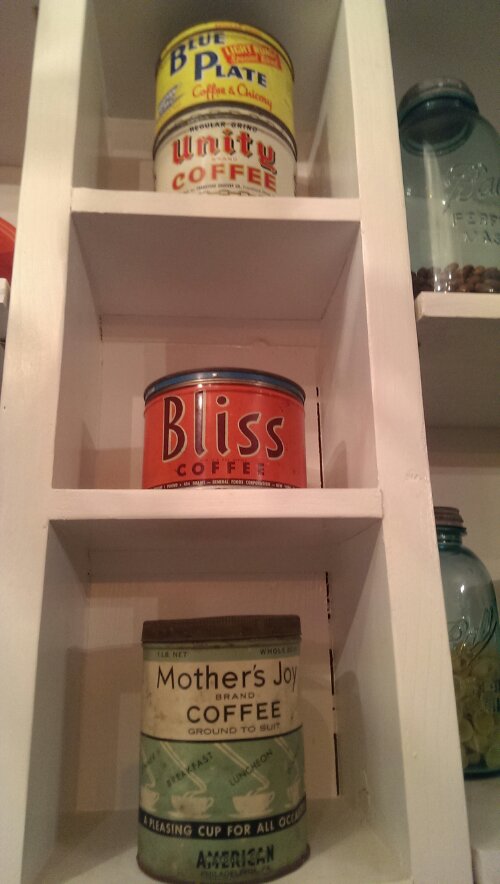
If only it were so easy. Perhaps it is.
