Maya
What is real? What is illusion? What is real and also distorted by the illusions unique to our individual perspective?

What is real? What is illusion? What is real and also distorted by the illusions unique to our individual perspective?
Why is it that I feel more ready to face the outside world now that I have had a decent haircut?

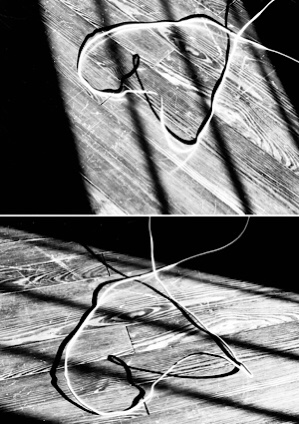
How curious that the shadow makes the open shape of the wire look twisted.
It is the limits of the phone camera abilities that makes the moon appear more full and also less defined than it appeared to my prescription glasses enhanced vision.
This as metaphor for my individual perception of our shared experiences.

What does it mean to see what is illusory? To see the illusion or to recognize that it is an illusion?
Cultivate doubt, especially where you might expect illusion and delusion (such as political information on social media). Or when you encounter promises of enlightenment or salvation or the perfect thing.
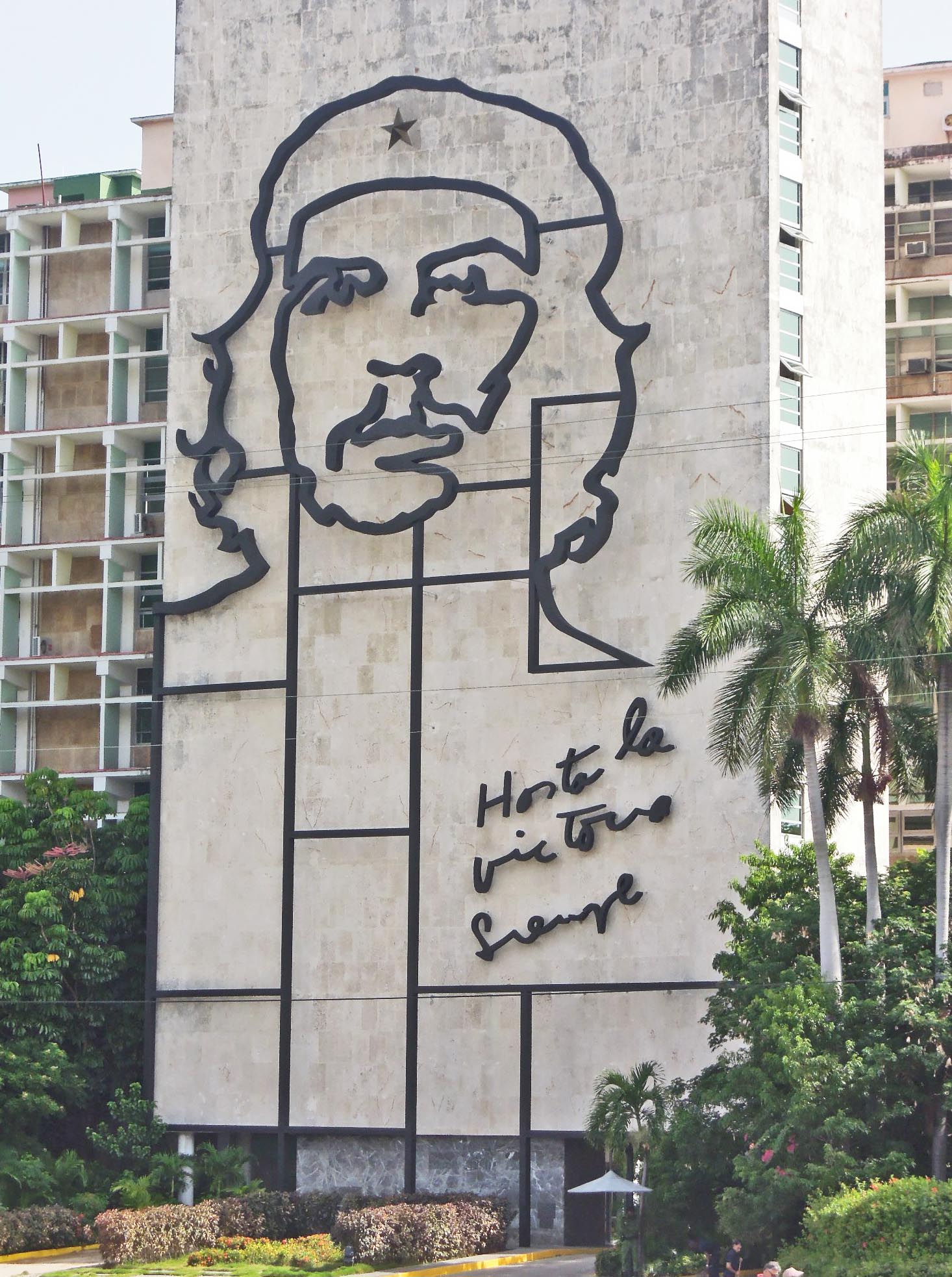
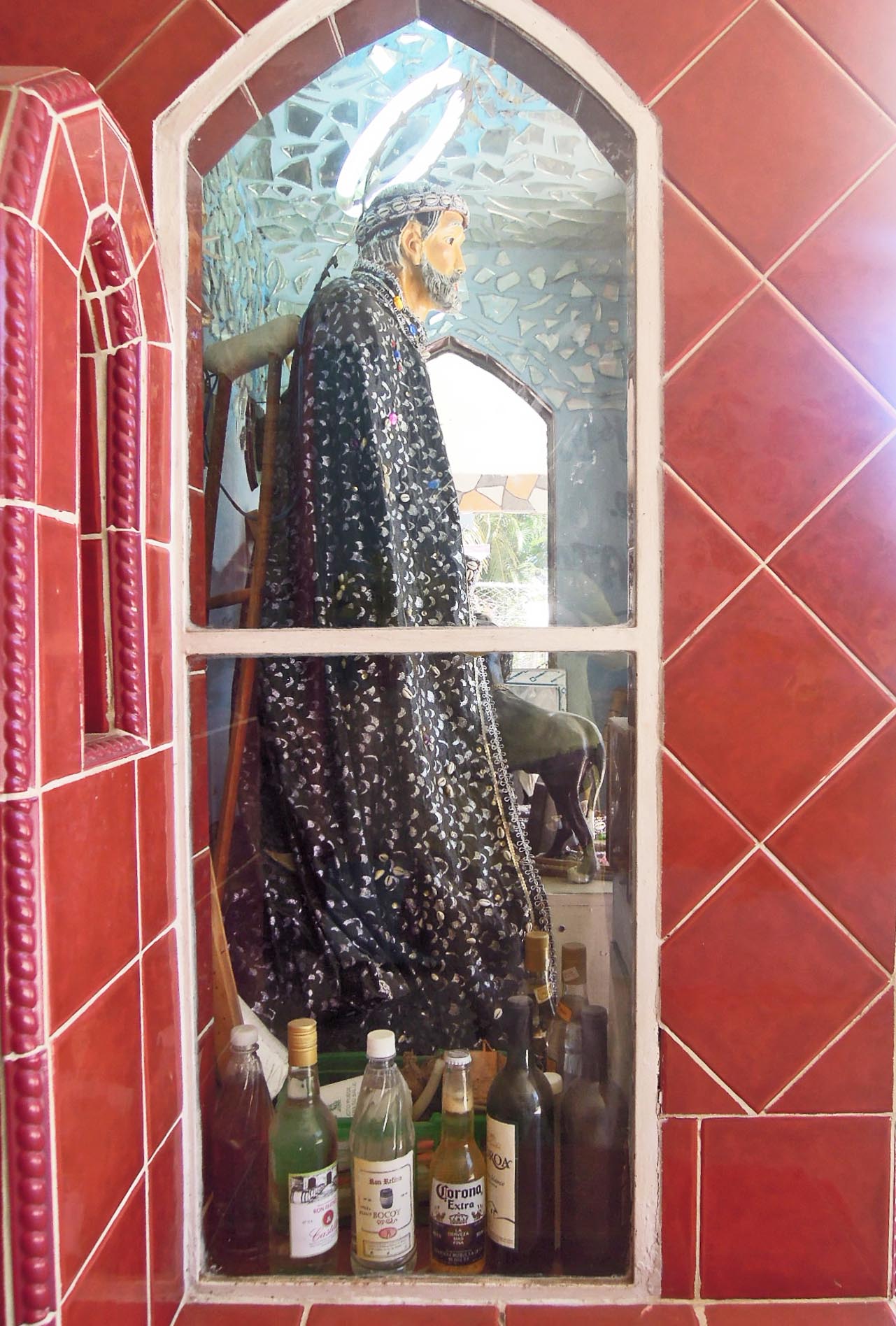
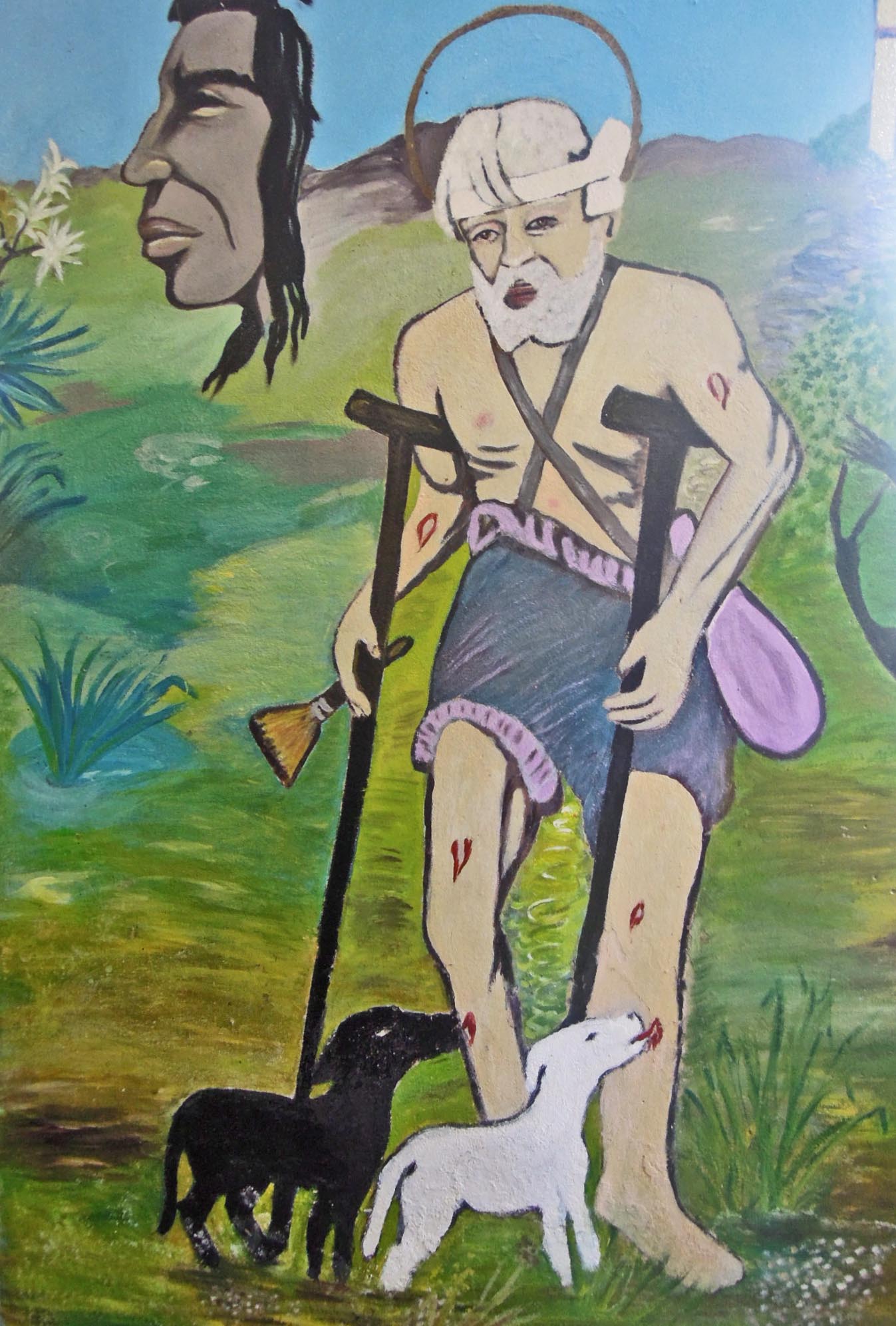
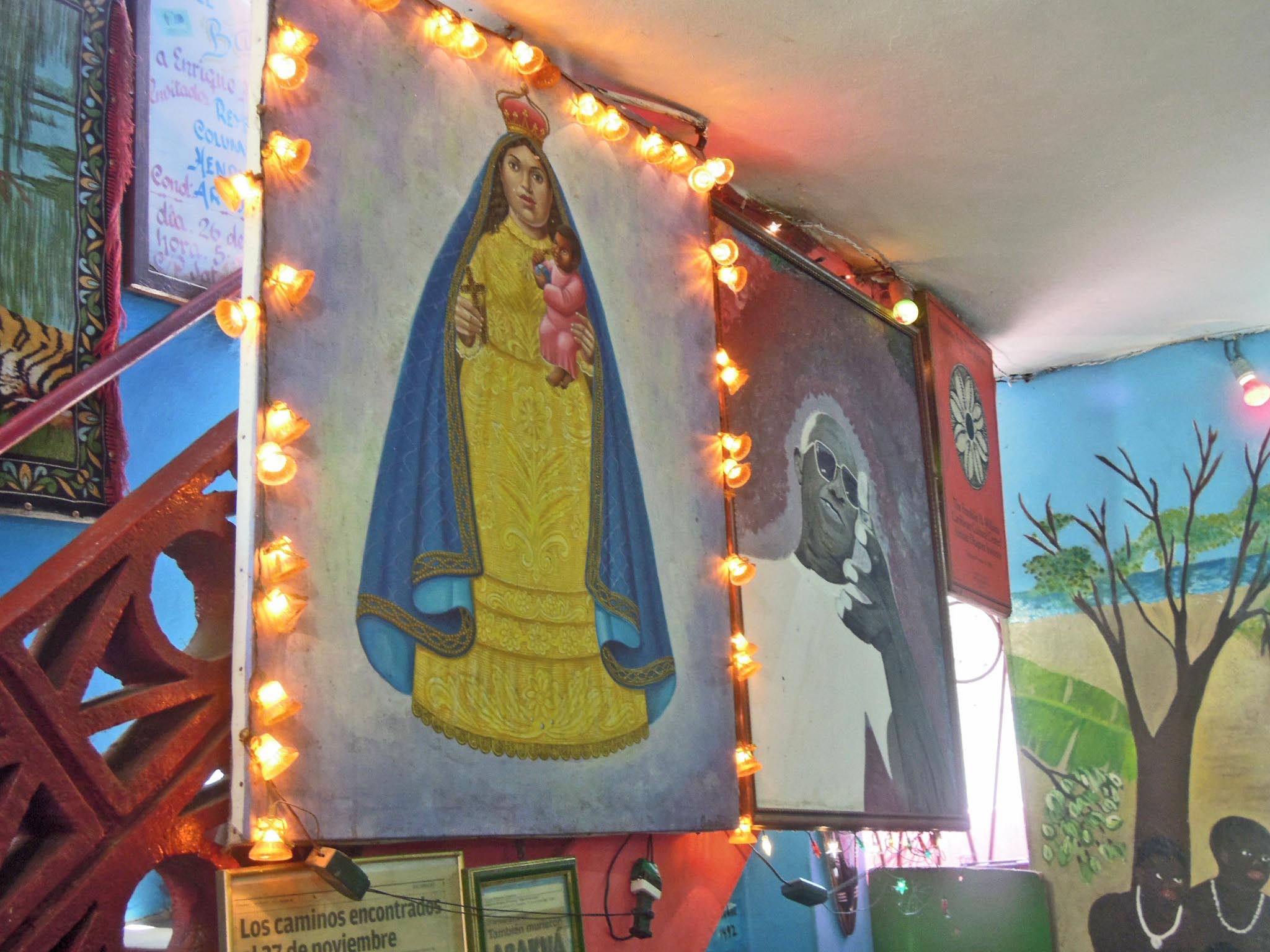
In which I encounter some more of the 330 million gods (mas o menos).
(Notes: (1) Hindu philosophy speaks of 330 million gods, i.e. a bigger number than we can actually get our minds around, one for every person, giving room for a complete diversity of belief. While I don’t believe in “God,” I have no problem with the idea of 330 million gods, none more exclusive or correct than any other, with no permission to use of the concept of “God” as justification for murder, physical harm, repression, or suppression of expression because of societal or family of origin privileging any particular belief. (2) “Maya,” which in Sanskrit not Spanish, literally means to measure, is the tattva that is the bridge between the universal and the manifest. The “universal” is immeasurable; what we think of as manifest is always measured in space and time. The distinction between how the tantrikas and other yoga philosophies interpret the concept of maya is for your own research or another day. (3) The number 108 refers to Shiva.)







In classical yoga, the term maya, one of the meanings of which is “illusion,” refers to all of our embodied being — the physical, mental, and emotional. The perceptible world is not real; only spirit is real. In the tantric philosophy of Kashmir Shaivism, maya tattva means something different. Kashmir Shaivism does not hold that the perceptible world is unreal, but rather that it is a more concrete form of spirit and that its very manifestness gives rise to the illusion that it is other than spirit. Maya, as such, is the beginning of the measurable world of intellect and perception. In this sense, it does not mean that any aspect of being of either ourselves or the very whole of being is more real than any other. As maya tattva, it denotes the conceptual bridge between the unknowable idea of spirit and the manifest world of our day to day. As we think and perceive the world in progressively more concrete terms, we tend to see difference, division, and diversity. When we see only difference and not the pervading unity of spirit, it is maya, illusion.
Yesterday, following the election in Massachusetts, the headlines screamed that the Democrats had lost control of the Senate and that health care reform was in jeopardy. Perhaps the simple arithmetic and vocabulary I learned in elementary school has changed, but last time I checked, 41 out of 100 is not a majority. It is as though we are hunting for division, for us v. them. We are looking for ways to create difference and divisiveness. Would we be more likely to fund health care for all instead of two wars, if we could stop being so bound in the maya that we are not all equally of spirit? I think so. In this, I am divided from millions of my fellow voters, who prefer waterboarding to health care, war to building an environmentally sustainable infrastructure, etc. or at least vote that way In thinking this way, I too am caught up in the web of difference. How then do I see spirit in all people (regardless of how they vote and what they believe) when I feel so passionately about this divisiveness and all the conflict, destruction, and misery it engenders? How do I personally (as my own yoga) create less conflict, even while working for what I believe?